To treat kidney pain after drinking alcohol effectively, you’ll need to start with aggressive rehydration, aim for 8, 10 glasses of water and replenish electrolytes with coconut water. Apply a warm compress to your flank for 15, 20 minutes and choose acetaminophen over NSAIDs for pain relief. If you notice bloody urine, fever, or persistent pain, see a doctor immediately. Below, you’ll find the exact steps to protect your kidneys long-term.
Quick Ways to Relieve Kidney Pain at Home
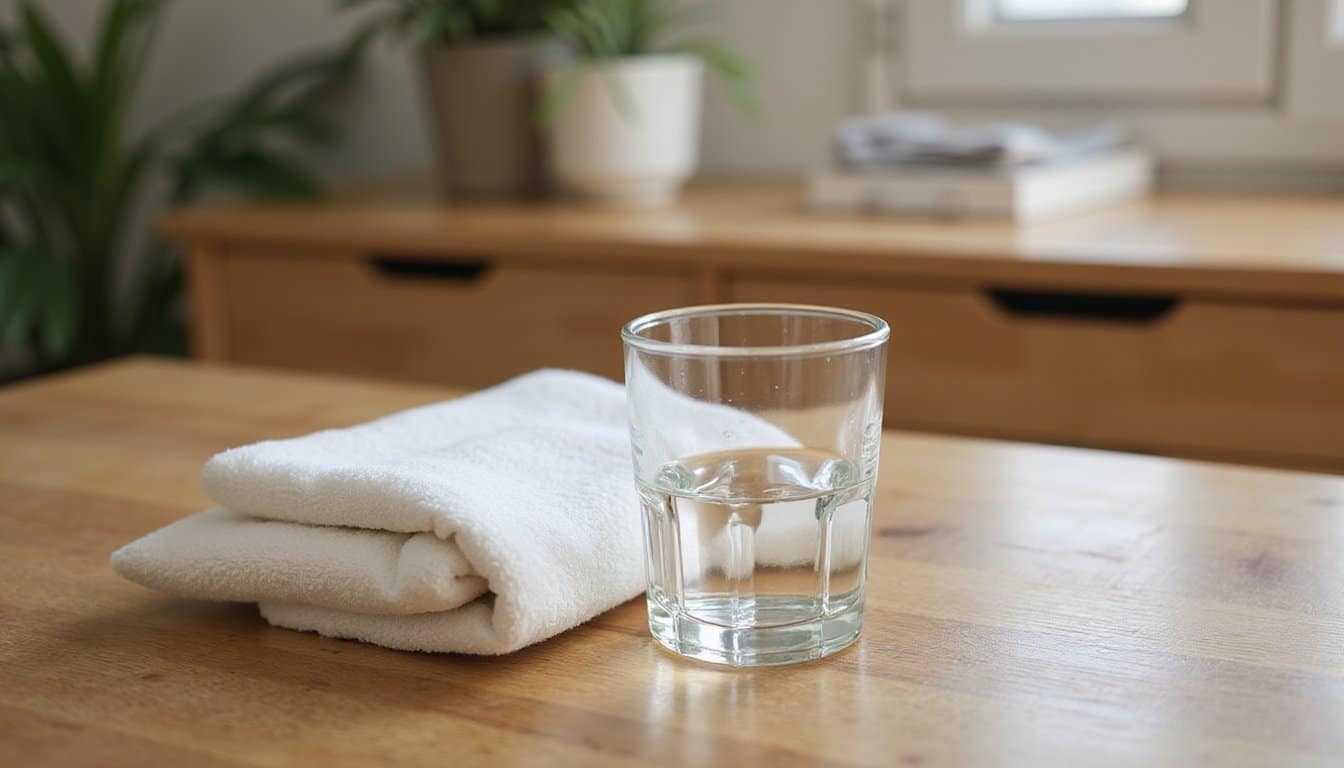
When kidney pain strikes after drinking, how quickly you respond determines how effectively you can manage the discomfort before it escalates. Begin with aggressive rehydration, drink 8, 10 glasses of water daily, targeting pale yellow urine. Coconut water replenishes lost electrolytes efficiently.
Apply heat therapy using a warm compress on your flank for 15, 20 minutes to relax muscles and improve circulation. For pain relief, choose acetaminophen over NSAIDs, which can further stress kidneys.
Herbal remedies like dandelion root or ginger tea support detoxification and reduce inflammation. However, avoid high doses of certain herbal supplements like aristolochia, pennyroyal, comfrey, and licorice root, as these can be harmful to kidney health. Make immediate dietary adjustments by cutting sodium and processed foods to ease kidney strain. A kidney-friendly diet should focus on fruits, vegetables, whole grains, and lean protein to support recovery. Most critically, eliminate alcohol intake entirely until symptoms fully resolve and you’ve consulted your doctor. Keep in mind that untreated kidney issues can rapidly impact other organs, potentially leading to dangerous complications like heart disease and organ failure.
Why Alcohol Triggers Kidney Pain in the First Place
Although the discomfort you feel in your flanks after drinking might seem like a simple hangover side effect, it’s actually driven by a cascade of physiological disruptions that begin the moment ethanol enters your bloodstream. Alcohol acts as a potent diuretic by suppressing ADH, triggering dehydration that reduces renal perfusion and forces your kidneys to compensate under diminished blood flow.
This strain compounds through:
- Electrolyte imbalance, alcohol disrupts sodium, potassium, and magnesium regulation, destabilizing cellular kidney function
- Blood pressure elevation, even moderate intake raises systolic pressure, damaging delicate renal vasculature over time
- Oxidative stress, ethanol metabolites inflame kidney tissue, accelerating fibrosis
Together, these mechanisms don’t just cause temporary pain, they incrementally raise your risk of chronic kidney disease with repeated exposure.
When Kidney Pain After Drinking Needs a Doctor

Recognizing the mechanisms behind alcohol-related kidney pain is one thing, knowing when that pain crosses from self-limiting discomfort into a medical emergency is what actually protects your kidneys from lasting damage.
Seek emergency care if you experience intense flank pain with high fever, seizures, blurred vision, or loss of consciousness. Dark or bloody urine, decreased output despite rehydration, or leg swelling suggest acute kidney injury requiring urgent evaluation. Fever alongside kidney pain may indicate a urinary tract infection that’s ascended to the kidneys.
Don’t dismiss persistent pain that outlasts typical dehydration recovery. Recurring flank ache after drinking, foamy urine, or urinary tract irritation that worsens with alcohol signals conditions like IgA nephropathy or chronic damage that require diagnostic workup, not just more water.
How Doctors Treat Alcohol-Related Kidney Problems
Because alcohol-related kidney damage spans a wide clinical spectrum, from reversible dehydration injury to progressive nephron loss, treatment isn’t one-size-fits-all, and the approach your doctor takes depends entirely on what’s actually happening inside your kidneys.
Treatment for alcohol-related kidney damage depends on the specific type and severity of injury your kidneys have sustained.
- Acute kidney injury from alcohol-related rhabdomyolysis or severe dehydration requires aggressive rehydration with IV fluids, electrolyte correction, and continuous monitoring of kidney function markers.
- Kidney stones and pyelonephritis demand targeted interventions, pain management, antibiotics for infection, or procedural removal when stones won’t pass independently.
- Chronic kidney disease calls for sustained abstinence, antihypertensive therapy, blood sugar control if diabetes coexists, and routine imaging to track progression.
Your doctor tailors treatment based on bloodwork, urinalysis, and imaging findings. Early intervention preserves nephron function, while delayed care risks irreversible damage.
Diet and Lifestyle Shifts That Help Kidneys Heal
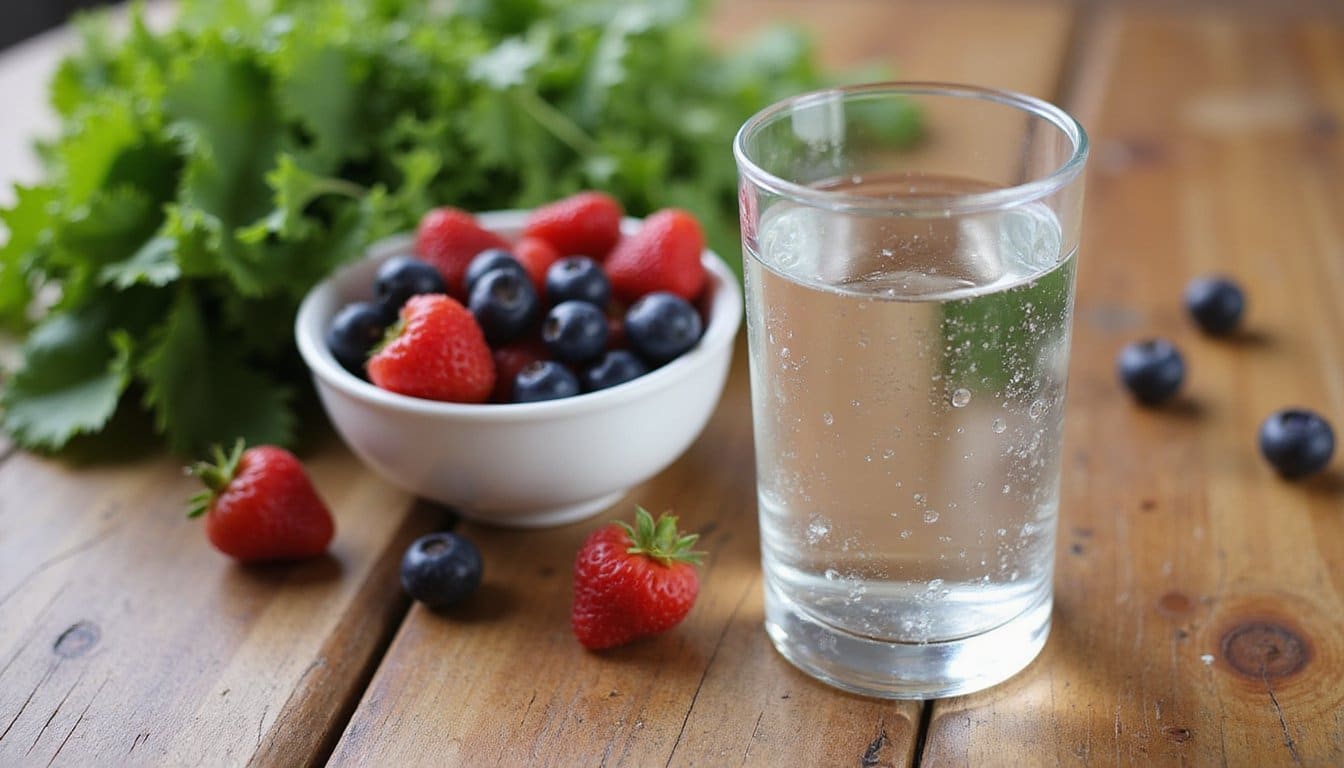
How quickly your kidneys recover after alcohol-related injury depends not just on medical treatment but on the daily choices you make around food, fluid, and habit. Prioritize hydration by drinking 8, 10 glasses of water daily; adding lemon supports citrate levels that prevent stone formation. Cranberry juice and herbal teas like dandelion further promote kidney function.
Your nutrition plan should emphasize leafy greens, berries, fatty fish, and whole grains, foods rich in antioxidants and omega-3s that reduce renal inflammation. Limit sodium, excess protein, and phosphorus to slow further damage.
For lifestyle shifts, eliminate alcohol consumption entirely during recovery. Follow a DASH-style diet and incorporate alcohol-free days long-term. These combined adjustments directly support kidney health, giving damaged nephrons the physiological environment they need to repair and stabilize.
How to Prevent Kidney Pain the Next Time You Drink
If you’ve experienced kidney pain after drinking and want to avoid it in the future, the most effective strategy starts with limiting how much alcohol you consume in a single session. Following low-risk drinking guidelines, no more than two drinks daily for men and one for women, reduces dehydration and renal strain considerably.
- Alternate each alcoholic drink with water to counteract alcohol’s diuretic effect and maintain electrolyte balance throughout the evening.
- Monitor alcohol consumption using an app or journal to identify patterns that trigger symptoms.
- Practice aggressive rehydration before bed with electrolyte-containing fluids to restore intravascular volume.
Schedule regular kidney function checkups, especially if you’ve had repeated episodes. If kidney pain after drinking persists despite these measures, consult your doctor for personalized evaluation and tailored reduction strategies.
Your Healing Journey Begins with One Call
Frequently Asked Questions
Can Kidney Pain From Alcohol Indicate Undiagnosed Iga Nephropathy or Another Hidden Condition?
Yes, kidney pain after drinking can indicate undiagnosed IgA nephropathy, especially if you notice blood in your urine within 24, 72 hours of heavy consumption. It can also signal chronic kidney disease, acute kidney injury from rhabdomyolysis, or pyelonephritis. You shouldn’t dismiss recurring flank pain as simple dehydration. If you’re experiencing persistent symptoms, hematuria, foamy urine, or swelling, you’ll need urinalysis, serum creatinine testing, and potentially a kidney biopsy to identify hidden conditions.
Does Mixing Different Types of Alcohol Worsen Kidney Pain More Than One Type?
No current evidence shows that mixing different types of alcohol worsens kidney pain more than consuming the same total amount of a single type. Your kidneys respond to the overall ethanol load and resulting dehydration, not the specific beverage combination. What matters most is total alcohol volume, since higher intake suppresses ADH more aggressively, accelerates dehydration, and increases uric acid production, all of which intensify flank discomfort regardless of whether you’re mixing drinks.
How Long Does It Take for Kidneys to Fully Recover After Quitting Alcohol?
If you’ve only experienced acute kidney injury from binge drinking, your kidneys can return to normal function within about four weeks of abstinence, proper hydration, and medical support. Your GFR improves measurably by week two, and renal blood flow increases 8, 10% after one month. However, if you’ve sustained chronic damage from long-term heavy drinking, full reversal often isn’t possible, though abstinence can halt further progression.
Can Over-The-Counter Kidney Supplements or Herbal Detox Teas Actually Help Kidney Healing?
No, over-the-counter kidney supplements and herbal detox teas don’t have substantial evidence supporting their effectiveness for kidney healing. Since the FDA classifies these as food products rather than medicines, they bypass rigorous clinical testing. If you’ve got impaired kidney function, supplements can actually accumulate and cause toxicity or interact dangerously with your medications. You should consult your doctor before taking any supplement, as hydration, dietary changes, and alcohol cessation remain your most evidence-backed recovery strategies.
Is Kidney Pain After Drinking Always From the Kidneys or Could It Be Pancreatic?
Flank pain after drinking doesn’t always originate from your kidneys. Alcohol-induced pancreatitis produces upper abdominal pain that radiates to your back and flanks, closely mimicking kidney discomfort. You can differentiate by noting that pancreatic pain typically centers higher, worsens after eating, and accompanies nausea without urinary changes, while true kidney pain localizes lower with dark urine or swelling. If you’re experiencing persistent flank pain, you’ll need medical evaluation to distinguish between these overlapping conditions.