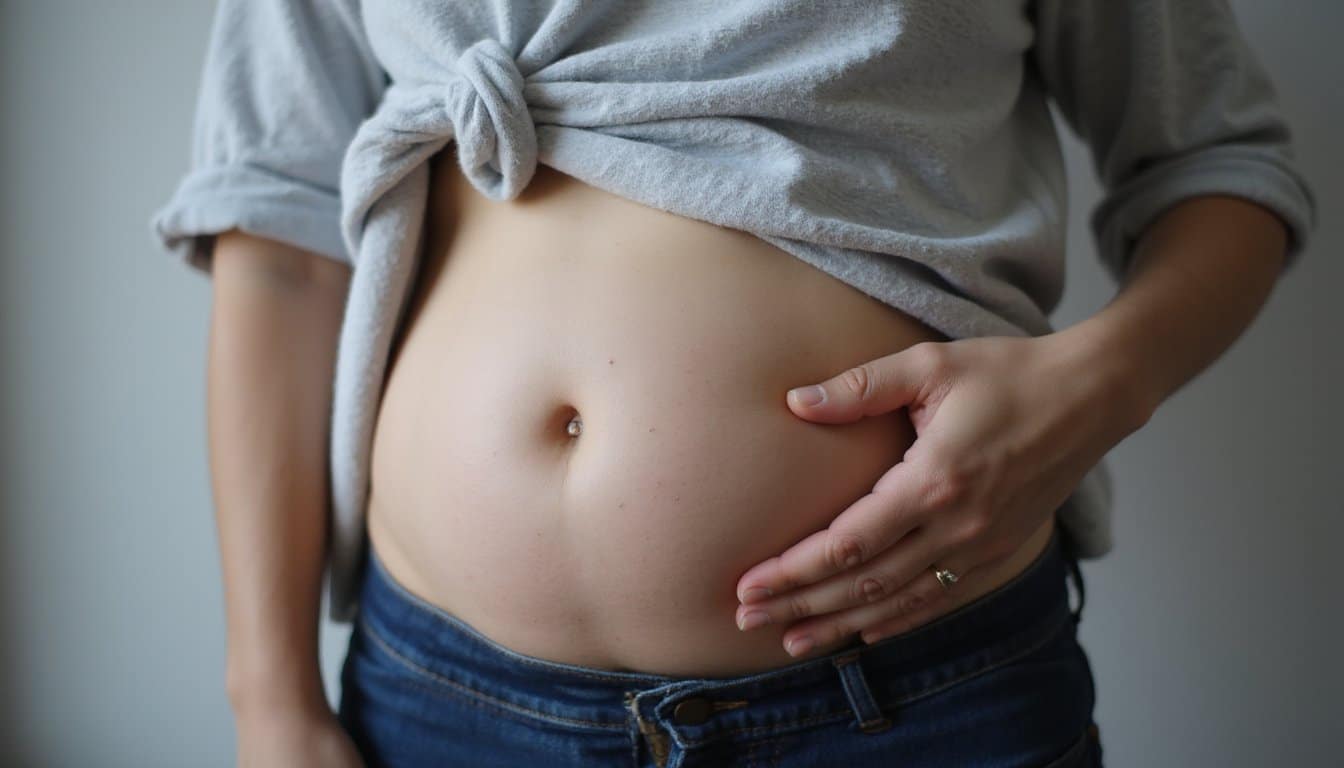
Yes, alcohol can directly cause abdominal swelling through several proven mechanisms. It triggers fluid retention, promotes systemic inflammation, and induces vasodilation that compounds bloating. Chronic use damages your liver, leading to ascites, significant fluid buildup in your abdominal cavity. It also disrupts your lymphatic system’s ability to drain properly, worsening swelling. Alcohol-related gastritis and pancreatitis further drive abdominal distention. Understanding the specific conditions behind this swelling can help you identify when it’s time to seek medical evaluation.
Can Alcohol Actually Cause Your Lymph Nodes to Swell?
How directly does alcohol trigger lymph node swelling? In most drinkers, alcohol doesn’t cause lymph node swelling directly. However, alcohol use disorder weakens your immune system, making you vulnerable to infections that trigger lymphadenopathy. Alcohol slows immune response, promotes inflammation through altered prostaglandin synthesis, and causes vasodilation in affected tissues.
Your swollen lymph nodes typically signal an underlying infection, bacterial, viral, or lymphadenitis, not alcohol itself. Conditions like liver cirrhosis, alcoholic hepatitis, fatty liver disease, portal hypertension, hepatomegaly, splenomegaly, chronic pancreatitis, gastroesophageal reflux disease, and hypoalbuminemia compound immune dysfunction. Individual sensitivity to alcohol components may also provoke inflammatory responses. Alcohol also disrupts the lymphatic system’s ability to function as the body’s drainage system, preventing it from properly flushing out toxins and bacteria. Common triggers such as colds, sore throats, and ear infections can cause swollen lymph nodes more frequently in heavy drinkers whose immune defenses are compromised.
Seek medical evaluation if swelling persists beyond two weeks or accompanies night sweats, fevers, unexplained weight loss, or hard, fixed nodes, these findings may indicate lymphoma or severe immune compromise. These small bean-shaped structures are located throughout the body, including the head, neck, armpits, and groin, so swelling can present in various areas depending on the underlying cause.
How Alcohol Use Leads to Lymph Node Swelling
Although alcohol doesn’t directly infect lymph nodes, it systematically dismantles the immune and lymphatic mechanisms that keep them functioning normally, creating conditions where swelling becomes an inevitable downstream consequence. Immune system suppression impairs your body’s pathogen clearance, while lymphatic permeability changes leak immune cells into peri-lymphatic tissue. Immune cell trafficking disruption reduces dendritic cells reaching mesenteric nodes, and inflammation and swelling mechanisms force nodes into overdrive. Chronic heavy drinking effects compound dehydration-related bloating with alcohol and abdominal fluid buildup, worsening lymph node swelling. Alcohol induced digestive irritation further drives fluid retention systemically.
| Mechanism | What Alcohol Disrupts | Clinical Result |
|---|---|---|
| Lymphatic Permeability | Mesenteric vessel integrity | Macromolecule leakage into adipose tissue |
| Immune Trafficking | DC migration to lymph nodes | Impaired mucosal immunity |
| Inflammatory Response | Cytokine regulation | Persistent nodal swelling |
Alcohol-Related Conditions That Cause Swollen Lymph Nodes
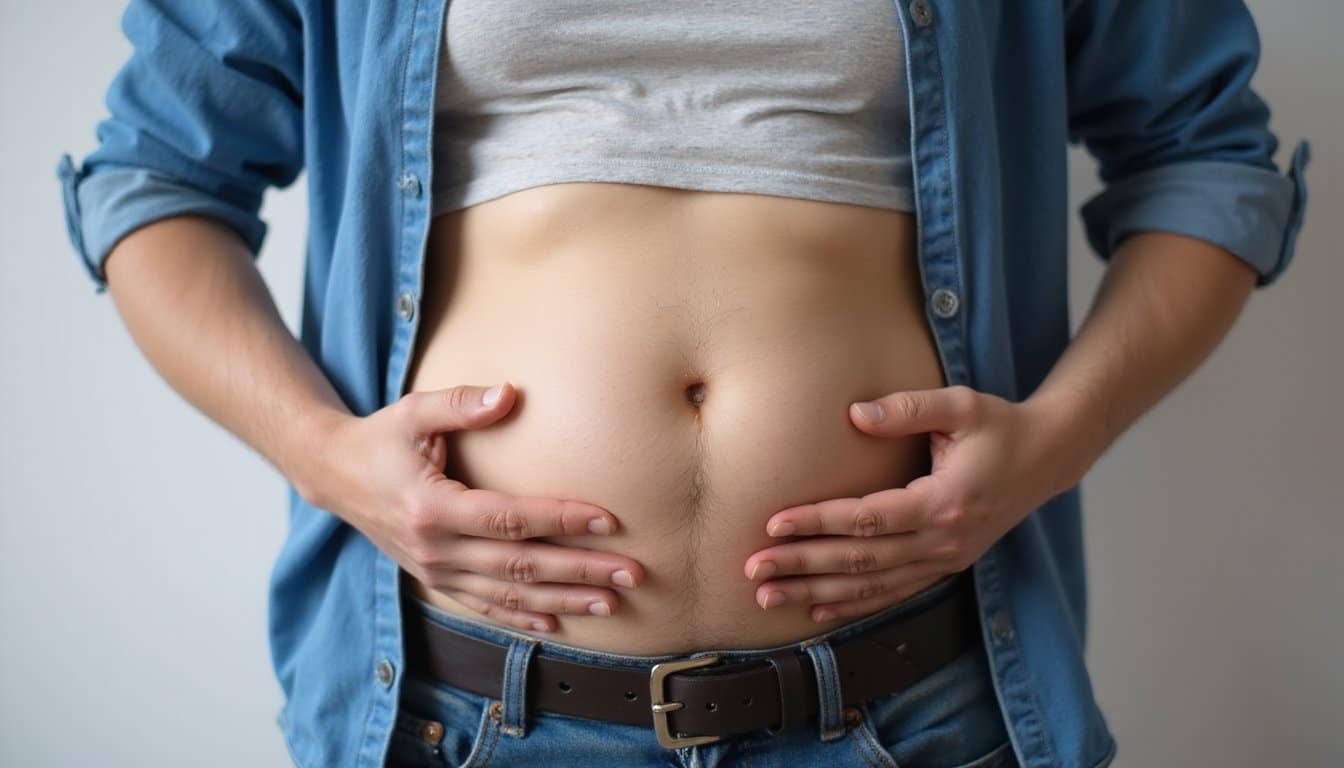
The mechanisms disrupting lymphatic function don’t operate in isolation, they create specific clinical conditions where swollen lymph nodes become a defining feature rather than a background symptom. Ascites triggers mesenteric node enlargement as peritonitis, including spontaneous bacterial peritonitis, activates regional immune responses. Acute pancreatitis produces peripancreatic lymphadenopathy detectable on abdominal ultrasound. Gastritis and peptic ulcer disease drive gastric and celiac node swelling through chronic mucosal inflammation.
Small intestinal bacterial overgrowth forces mesenteric nodes into persistent activation as translocated bacteria overwhelm lymphatic filtration. Irritable bowel syndrome compounds this through low-grade inflammatory signaling. Edema from liver dysfunction increases the lymphatic workload systemically, causing nodes to enlarge under volume stress. Each condition produces distinct lymphadenopathy patterns that clinicians use to trace alcohol’s damage across interconnected organ systems.
When Swollen Lymph Nodes After Drinking Are Serious
Most swollen lymph nodes after drinking resolve within days as the body clears alcohol metabolites and associated inflammatory mediators, but specific clinical features distinguish self-limiting reactive lymphadenopathy from nodes signaling dangerous underlying pathology.
You should seek immediate evaluation when you notice:
- Hard, fixed nodes that don’t move upon touch, especially alongside abdominal distention or ascites from alcohol use
- Alcohol-triggered node pain, a hallmark differentiating Hodgkin lymphoma from alcohol related water retention
- Persistent swelling beyond two weeks with unexplained weight loss, suggesting impaired liver function or lymphoma progression
- Night sweats and fever accompanying node enlargement, indicating signs of cirrhosis abdominal swelling or systemic malignancy
- Abdominal pain with node swelling post-drinking, correlating with portal pressure increase, protein deficiency related swelling, or fluid accumulation in abdomen
These alcohol liver disease symptoms swelling patterns demand diagnostic imaging and biopsy.
What to Do About Swollen Lymph Nodes After Drinking?
Because swollen lymph nodes after drinking typically reflect your immune system’s response to an underlying trigger rather than a direct effect of alcohol itself, managing them effectively requires identifying and addressing the root cause, whether that’s a concurrent infection, an allergic reaction to beverage components, or systemic inflammation from impaired liver function. Start by identifying the root causes and monitoring duration and symptoms carefully. Infection-triggered lymph swelling usually resolves within two weeks. Alcohol impaired immunity and the alcohol and inflammatory response compound existing conditions, so responsible drinking for immune recovery is essential. Avoiding excessive alcohol consumption protects lymphatic function. Track lymph node swelling patterns to detect changes. If you have autoimmune conditions and alcohol worsens flares, reduce intake immediately. Seek professional evaluation of lymph swelling when nodes persist, harden, or accompany systemic symptoms.
Your Healthier Life Starts Now
Struggling with Alcohol addiction is something no one should face on their own. At The Villa Treatment Center, we offer compassionate Drug Addiction Treatment to help you break free and build a healthier life. Call (855) 591-6116 today and let us help you move forward toward a healthier, sober life.
Frequently Asked Questions
Can a Single Night of Heavy Drinking Cause Visible Abdominal Swelling?
Yes, a single night of heavy drinking can cause visible abdominal swelling. When you consume large amounts of alcohol, you’re triggering acute gastritis, inflammation of your stomach lining that raises acid levels and irritates tissue. This process increases gas production, inhibits your gastric motility, and promotes fluid retention, all producing measurable distension. You’ll typically notice bloating within hours, accompanied by fullness, nausea, and belching, with symptoms persisting from several hours to a few days.
Does Alcohol-Related Abdominal Bloating Indicate Early Liver Damage?
Alcohol-related abdominal bloating typically doesn’t indicate early liver damage, it signals advanced disease. You won’t experience ascites during fatty liver or mild hepatitis stages. Clinically significant abdominal swelling develops when you’ve progressed to cirrhosis with portal hypertension exceeding 12 mmHg, triggering fluid accumulation in your peritoneal cavity. If you’re noticing persistent abdominal distension, you should seek immediate diagnostic evaluation, as it often coincides with decompensated liver function requiring urgent intervention.
How Long Does Alcohol-Induced Stomach Swelling Typically Last After Stopping Drinking?
Mild alcohol-induced stomach swelling typically resolves within three to seven days after you stop drinking, as your stomach lining begins its initial repair. If you’ve developed chronic alcoholic gastritis from prolonged heavy use, you’re looking at several weeks to months for complete recovery. Your healing timeline depends on drinking duration, overall health, and whether you maintain total abstinence, even minimal alcohol intake can restart irritation and markedly extend your recovery period.
Can Alcohol Cause Fluid Accumulation in the Abdomen Without Cirrhosis?
Yes, alcohol can cause fluid accumulation in your abdomen without cirrhosis. Heavy drinking damages your liver’s sinusoidal lining through fibrosis, defenestration, and hepatocyte swelling characteristic of alcoholic hepatitis, generating intra-hepatic portal hypertension even at pre-cirrhotic stages. Case evidence documents a patient with F3 fibrosis, not cirrhosis, who developed 9 liters of ascites from sinusoidal portal hypertension driven by active alcohol-associated steatosis and hepatitis, with preserved liver synthetic function.
Does the Type of Alcoholic Beverage Affect Abdominal Swelling Severity?
Yes, the type of alcoholic beverage you choose directly affects abdominal swelling severity. Carbonated drinks like beer release carbon dioxide, causing immediate bloating, beer ranks highest for swelling compared to wine or spirits. High-ABV liquors damage your gastrointestinal lining and promote gastritis. High-FODMAP options like rum and sweet wines trigger fermentation-related gas. You’ll minimize symptoms with dry red wines, light lagers, or low-FODMAP spirits like vodka at lower proof.