
Why an Alumni Program Matters in Recovery
The research literature on long-term recovery is consistent: connection to recovery community is one of the strongest predictors of sustained sobriety and mental health stability. SAMHSA, NIDA, and major treatment outcome studies all identify post-treatment community as a critical protective factor against relapse.
The specific reasons alumni programs work:
Continued accountability without active treatment. The transition out of formal treatment can be destabilizing. Alumni connection provides continued accountability without the structure of clinical programming.
Peer connection with people who understand. Alumni share the specific experience of moving through treatment and into long-term recovery. The shared baseline matters in ways that general support relationships often cannot replicate.
Modeling for newer alumni. People earlier in recovery benefit from witnessing what years of sustained recovery can look like. Alumni further along benefit from the meaning that comes from supporting others.
Crisis support before crisis becomes acute. Alumni often catch warning signs in each other before relapse happens, providing an early-intervention layer that can be difficult to access through clinical channels alone.
Continuity of identity. Recovery becomes part of a person’s identity, not just a phase to move past. Alumni community supports that integration.
How Villa's Alumni Program Works
Villa’s alumni program is structured around several recurring components:
Weekly alumni meetings
Open to all Villa graduates. Meetings provide a space to check in on recovery, work through current challenges, and stay connected. Held in person at Villa’s Woodland Hills facility and through secure video for alumni outside the LA area.
Monthly social events
Recovery-focused gatherings designed for connection without the meeting format. Beach days, hikes, holiday celebrations, and other sober activities that build community across the alumni population.
Annual alumni events
Larger gatherings throughout the year recognizing recovery milestones, alumni speakers sharing their stories, and bringing alumni from across cohorts together.
Mentorship and speaker opportunities.
Experienced alumni who want to give back can volunteer to speak at current treatment programs, mentor newly-graduating clients, or co-facilitate alumni-led groups. Mentorship is a service opportunity that strengthens the mentor’s own recovery.
24/7 alumni-line support.
A direct line to alumni coordinators for support during difficult periods. Not crisis-line replacement (always 911 or 988 for active crisis), but a connection point for non-crisis support and reconnection to clinical care if needed.
Connection to clinical aftercare when needed
When an alumnus needs more than community support, the alumni team coordinates direct re-entry to aftercare clinical services including outpatient therapy, IOP, or higher levels of care without the friction of starting over
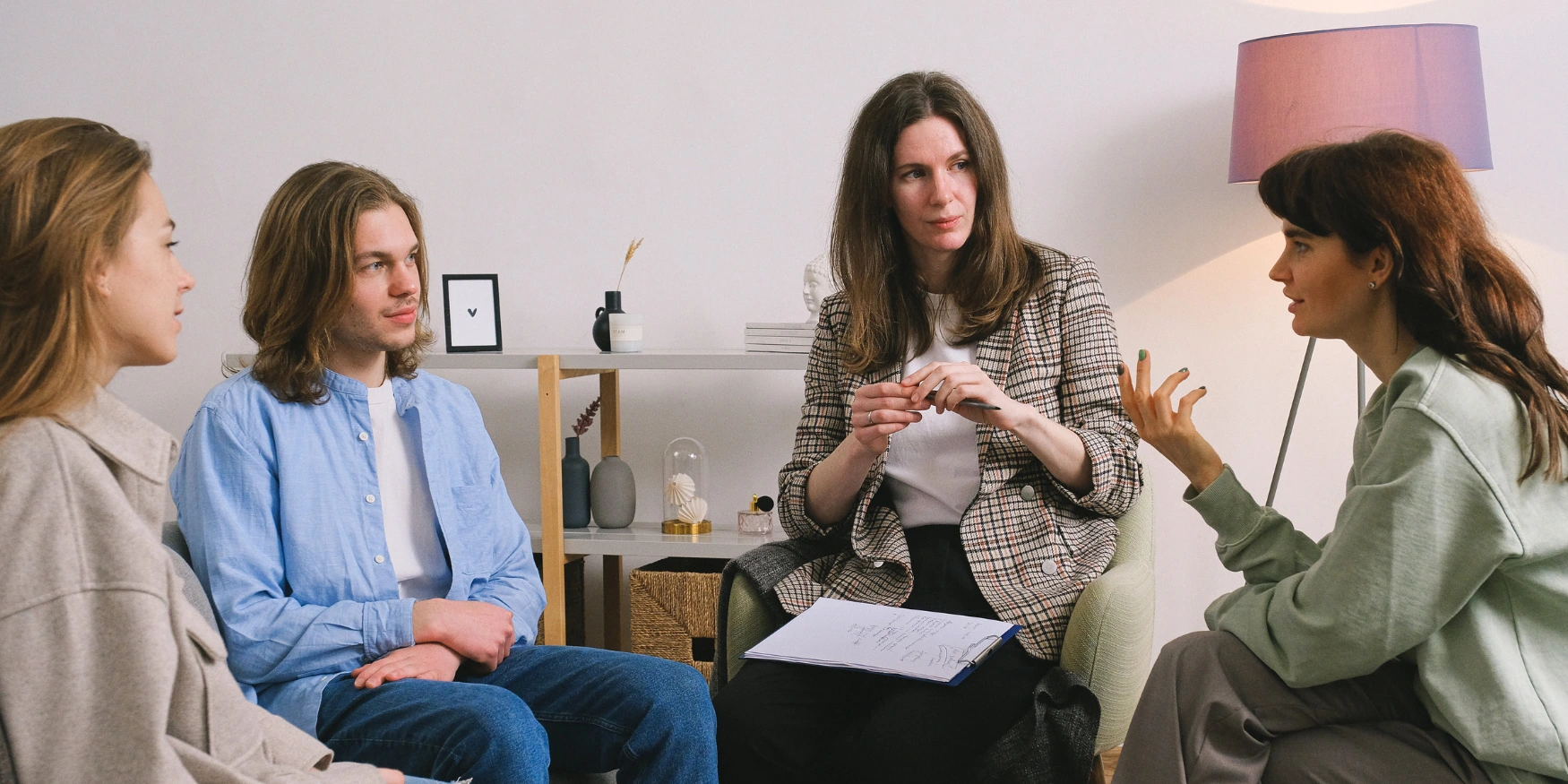
How Alumni Programs Differ From Aftercare
Alumni and aftercare are distinct but complementary. Both support long-term recovery; they do different things.
Aftercare is the clinical continuation of treatment outpatient therapy, medication management, IOP after residential discharge, structured relapse prevention work. Aftercare is billed through insurance and delivered by licensed clinicians.
Alumni is the community side peer support, recovery community, social connection, mentorship. Alumni programming is generally not clinical and is provided as a benefit of having completed Villa treatment, not as a billable clinical service.
Most graduates participate in both during the first months after treatment, then transition more heavily into alumni community as clinical aftercare reduces in intensity. Both remain available indefinitely.
Who The Alumni Program Is For
Alumni membership is automatic for graduates of Villa Treatment Center programs, including:
- Residential treatment graduates
- PHP graduates
- IOP graduates
- Outpatient therapy clients who have completed a defined phase of treatment
- Detox-only clients who completed detox even if they did not continue with longer-term care at Villa
Family members of graduates are welcome at family-specific alumni events and can access the family education resources that support relatives of people in long-term recovery; see family therapy programs.
Connecting to the Broader Recovery Community
Villa’s alumni program complements rather than replaces broader recovery community:
AA, NA, CA, and other 12-step programs the largest recovery community network globally; meetings available across LA and worldwide. Alumni often participate in 12-step community alongside Villa alumni events.
SMART Recovery secular, science-based recovery framework as alternative to 12-step; meetings in-person and online.
Refuge Recovery and Buddhist-informed recovery mindfulness-based recovery community.
Recovery Dharma Buddhist-informed recovery program.
Online recovery community In The Rooms, Reddit recovery communities, and many others.
Different communities work for different people. The clinical team and alumni coordinators can help graduates find the right fit alongside Villa alumni programming.
Insurance, cost, and joining
Alumni programming is offered as a benefit of having completed Villa treatment and is generally not a billable service. Joining is straightforward: graduates of Villa programs are automatically eligible. Contact the alumni coordinator for the welcome packet, current event calendar, and to be added to event communications.
Clinical aftercare services that alumni may access (outpatient therapy, IOP, medication management) are billed through insurance with the same coverage rules as initial treatment. Verification takes 15 minutes; call (818) 639-7160 or use the insurance verification form.

Serving Woodland Hills, the San Fernando Valley, and Greater Los Angeles
Villa’s alumni events take place at our Woodland Hills facility on Hood Drive and at various venues across the LA area for social events. Alumni from Calabasas, Tarzana, Encino, Sherman Oaks, Northridge, West Hills, Canoga Park, Reseda, Van Nuys, Agoura Hills, Beverly Hills, Malibu, and the broader LA County participate in person.
Virtual alumni meetings extend community to alumni outside the LA metro area, including alumni who completed residential treatment at Villa and have since moved out of California or out of state.
Frequently Asked Questions
How does the alumni program support long-term recovery?
Through weekly alumni meetings, monthly social events, mentorship opportunities, 24/7 alumni-line support, and direct connection back to clinical aftercare when needed. Recovery community connection is one of the strongest predictors of sustained sobriety; alumni programming creates structured pathways to that connection.
What activities and events are available?
Weekly alumni support meetings, monthly social gatherings (beach days, hikes, holiday events), annual celebration events, recovery workshops, speaker programs, and mentorship opportunities. Schedule and event mix varies through the year.
How does alumni program differ from aftercare?
Aftercare is the clinical continuation of treatment (outpatient therapy, medication management, IOP); see aftercare programs. Alumni is the community side (peer support, recovery community, social connection). Most graduates participate in both during the first months after treatment, then transition more heavily into alumni community as clinical aftercare reduces.
How can family members get involved?
Family members of graduates are welcome at family-specific alumni events and can access family education resources. Family connection to recovery community supports family members’ own work around the relationship; see family therapy programs for the clinical family component.
How do I join the alumni program?
Graduates of Villa Treatment Center programs are automatically eligible. Contact the alumni coordinator at (818) 639-7160 to receive the welcome packet, current event calendar, and to be added to event communications.
What if I need more than community support?
The alumni team coordinates direct re-entry into clinical aftercare (outpatient therapy, IOP, medication management, or higher levels of care) without the friction of starting over. Many alumni return to Villa for additional treatment phases over the course of long-term recovery; this is supported, not stigmatized.
How often do alumni meetings happen?
Weekly support meetings are the standard. Monthly social events. Annual gatherings. Virtual meeting options are available for alumni who can’t attend in person, including alumni outside the LA metro area.
Does insurance cover alumni programming?
Alumni programming is offered as a benefit of having completed Villa treatment and is generally not a billable clinical service. Clinical services that alumni may access (outpatient therapy, IOP, medication management) are billed through insurance with the same coverage rules as initial treatment.
Can I be in 12-step community and the Villa alumni program?
Yes. Most alumni participate in both. AA, NA, CA, SMART Recovery, Refuge Recovery, and other recovery communities work alongside Villa alumni programming. Different communities work for different people; the alumni team helps graduates find the right combination.