Alcohol erodes your stomach’s protective mucus lining and ramps up acid production, triggering sharp epigastric pain, nausea, and inflammation known as alcoholic gastritis. You’ll heal faster by stopping alcohol intake, eating bland foods, and using physician-recommended acid-reducing medications. Chronic exposure can weaken your esophageal sphincter, worsen reflux, and delay ulcer recovery. Understanding abdomen pain from alcohol and the strategies below cover exactly how to identify your specific symptoms, protect your gut, and prevent long-term damage.
Why Alcohol Makes Your Abdomen Hurt
When alcohol reaches your stomach, it launches a multi-front assault on the gastrointestinal tract that explains why abdominal pain after drinking can feel so variable in location, timing, and intensity. Ethanol erodes your protective mucus layer, raises acid production, and inflames the stomach lining, a condition called gastritis or, when directly alcohol-induced, alcoholic gastritis. It simultaneously relaxes your lower esophageal sphincter, triggering acid reflux, and disrupts gut motility, producing bloating and gas. Higher concentrations delay gastric emptying, prolonging irritant contact with vulnerable tissue. With sustained alcohol use disorder, damage escalates toward chronic pancreatitis or erupts as acute pancreatitis, a medical emergency. Each mechanism targets a different region, which is why your pain may shift from burning epigastric discomfort to deep, radiating back pain. Beyond the stomach, alcohol impairs muscle movement in the small and large intestines, which contributes to diarrhea and compounds the cramping many drinkers experience. Carbonated alcoholic beverages like beers, ciders, and sparkling wine further aggravate discomfort by introducing a buildup of gas that distends the stomach and intensifies abdominal pressure. Over time, heavy alcohol use can also cause fat to accumulate in the liver, a condition known as alcoholic fatty liver disease, which may produce a dull ache or fullness in the upper right abdomen as the organ becomes enlarged and inflamed.
Sudden vs. Ongoing Stomach Pain From Alcohol
Although abdominal pain after drinking can feel similar regardless of its cause, the distinction between sudden (acute) and ongoing (chronic) gastritis carries real clinical weight, because each form damages your stomach lining through a different timeline, produces different symptom patterns, and demands a different treatment response.
Acute and chronic gastritis damage your stomach differently, early distinction shapes your treatment and long-term outcome.
Acute gastritis strikes rapidly after binge drinking, producing sharp epigastric cramping, nausea, vomiting, and hemorrhage risk. It’s intense but typically resolves once you stop drinking.
Chronic gastritis develops silently through prolonged alcohol induced stomach irritation, gradually eroding your mucosal barrier. You’ll notice persistent fatigue, recurring heartburn, appetite loss, and mild abdominal pain after drinking alcohol that worsens over months.
The critical difference: untreated chronic gastritis drives alcohol and gastrointestinal complications, ulcers, polyps, and malignancy risk, that acute episodes don’t. Early differentiation determines your outcome.
How Alcohol Triggers Acid Reflux and GERD
When you drink alcohol, ethanol directly relaxes your lower esophageal sphincter, the muscular valve that prevents stomach acid from flowing back into your esophagus, increasing transient relaxation frequency by up to 40% and allowing prolonged acid exposure to unprotected tissue. Alcohol simultaneously stimulates your gastric cells to produce excess hydrochloric acid, with low-alcohol beverages like beer and wine driving especially strong acid secretion through enhanced gastrin release, while the carbonation in beer and mixed drinks raises intragastric pressure to push that acid upward. When these episodes repeat with regular drinking, the persistent esophageal acid exposure progresses from occasional heartburn to gastroesophageal reflux disease (GERD), and in 10 to 15% of chronic GERD cases, the damaged esophageal lining undergoes cellular changes known as Barrett’s esophagus, a precancerous condition that demands ongoing surveillance.
Sphincter Relaxation From Alcohol
Three distinct sphincter systems along your digestive tract, the lower esophageal sphincter, the pyloric sphincter, and the esophageal body’s smooth muscle contractions that propel food downward, are all measurably disrupted by alcohol, and their simultaneous dysfunction explains why acid reflux after drinking isn’t simply a matter of “too much acid” but rather a mechanical failure of the barriers designed to keep acid where it belongs. A single intoxicating dose reduces lower esophageal sphincter pressure, weakening your primary anti-reflux barrier. Simultaneously, alcohol impairs pyloric sphincter function, decreasing pressure responses to duodenal acidification from 12.0 to 8.0 mmHg. It inhibits esophageal smooth muscle contractility and overall esophageal motility, prolonging contractions while reducing their amplitude. Chronic drinkers develop tolerance and withdrawal effects, compensatory high-pressure contractions that paradoxically worsen motility dysfunction during abstinence.
Increased Stomach Acid Production
Not every alcoholic drink provokes your stomach equally, fermented beverages like beer and wine stimulate gastric acid output to 57% to 95% of your stomach’s maximal acid capacity, while distilled spirits like whisky, cognac, and gin produce no appreciable increase over baseline.
The culprits are maleic and succinic acids, byproducts of fermentation that together drive acid output to 95% of maximal capacity. Fermented beverages also release gastrin up to 5.1-fold above control levels, further amplifying secretion.
This surge directly worsens epigastric pain, upper abdominal pain, and peptic ulcer disease. Excess acid weakens your mucosal defenses and fuels gastroesophageal reflux disease when combined with sphincter relaxation. If you’re experiencing alcohol induced digestive pain, switching from beer or wine to lower-risk options, or stopping entirely, reduces your acid burden markedly.
Chronic Reflux Becomes GERD
Although a single episode of acid reflux after drinking may resolve on its own, repeated alcohol exposure systematically weakens the lower esophageal sphincter (LES), the muscular valve separating your stomach from your esophagus, until reflux becomes a chronic condition rather than an isolated event. Persistent gastric mucosal inflammation compounds the damage, and concurrent liver inflammation alters bile acid metabolism, further intensifying reflux patterns.
Each 12.5 g/day increase in alcohol consumption raises your alcohol and GERD risk by 16%. Over time, chronic acid exposure progresses to esophagitis, an inflammatory erosion of esophageal tissue that causes persistent burning pain. Left unchecked, this damage can trigger Barrett’s esophagus, a precancerous cellular transformation of the esophageal lining that greatly elevates your risk of esophageal adenocarcinoma. Heavy drinking also produces silent nighttime respiratory reflux that often goes undetected.
Ulcers, Leaky Gut, and Other Alcohol-Related Stomach Risks
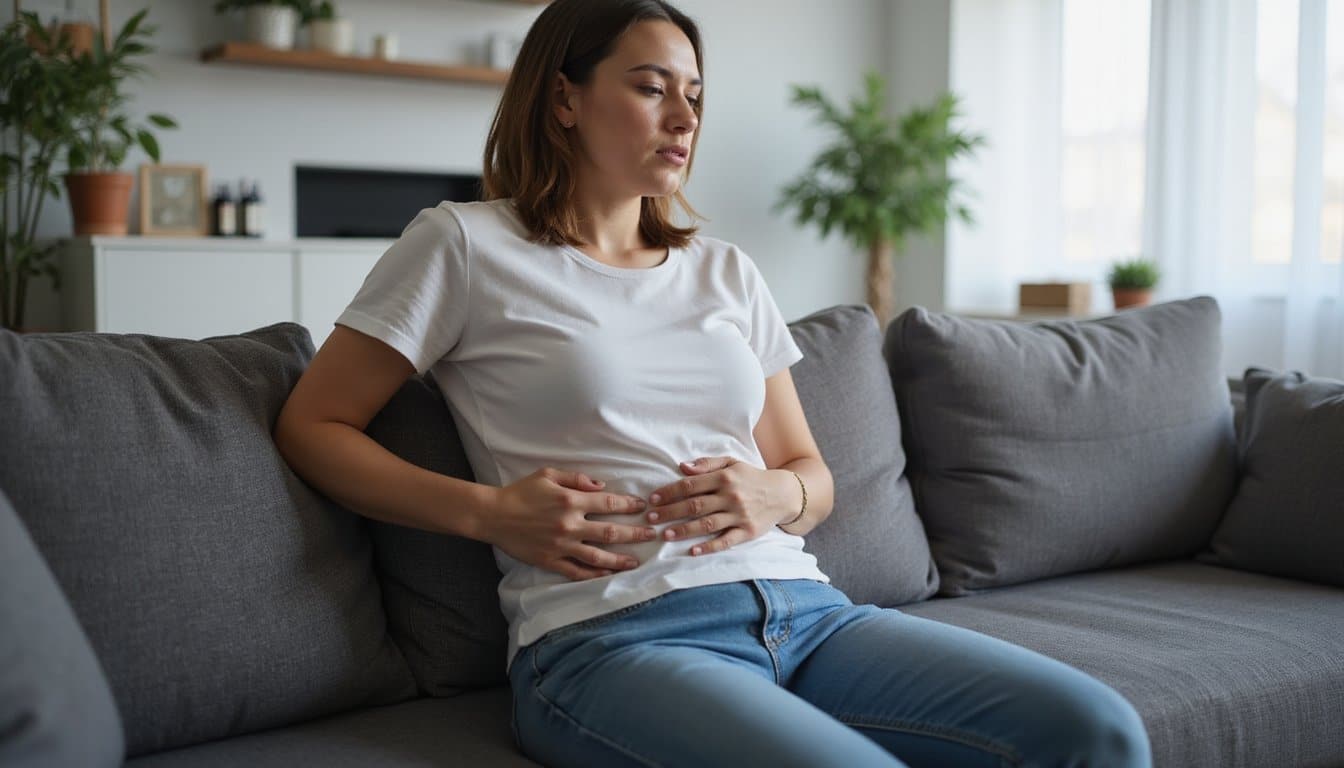
Because alcohol contacts the gastric mucosa directly and repeatedly with each drinking episode, the cumulative damage it inflicts on the stomach’s protective architecture extends well beyond temporary discomfort into clinically significant disease. Chronic gastritis develops as alcohol strips protective mucus, increases acid production, and damages regenerative cells. This inflammation erodes the lining over time, raising your risk of peptic ulcers that can bleed, perforate, or obstruct. Heavy drinking simultaneously impairs mucosal barrier integrity throughout your digestive tract, creating leaky gut, where increased intestinal permeability allows toxins into your bloodstream and disrupts nutrient absorption, particularly B12 and iron. H. pylori infection compounds these effects synergistically. Left untreated, alcohol-related gastritis elevates your stomach cancer risk, while ongoing acid exposure prevents existing ulcers from healing, trapping you in a cycle of progressive tissue damage.
When Alcohol Stomach Pain Needs a Doctor
You should treat certain symptoms as urgent signals that your body’s tolerance for alcohol-related injury has reached a dangerous threshold. Blood in your vomit or stool, whether bright red or dark and tarry, indicates active bleeding from your gastrointestinal lining and requires emergency evaluation, as does sudden, severe abdominal pain that doesn’t subside within hours. Persistent symptoms like unexplained weight loss, chronic nausea, or abdominal pain lasting beyond one week despite antacid use point to complications such as peptic ulcers, anemia, or pancreatitis that demand professional diagnosis through endoscopy, lab work, or imaging.
Blood In Stool/Vomit
Hematemesis, vomiting bright red blood or coffee-ground material, signals active upper GI bleeding from gastric erosions, ulcers, or esophageal varices. Melena, black tarry stools, indicates digested blood from your stomach or esophagus. Both demand immediate evaluation.
Don’t dismiss bloody diarrhea, large clots, or systemic symptoms like lightheadedness and rapid heart rate. These signs suggest blood loss affecting your circulation and require urgent medical intervention, not watchful waiting.
Persistent Severe Abdominal Pain
Blood in your vomit or stool signals acute bleeding that needs immediate attention, but not all dangerous abdominal pain announces itself with visible blood. Persistent upper abdominal pain lasting weeks, especially with weight loss and appetite decline, can indicate progression from fatty liver disease through alcoholic hepatitis to liver cirrhosis, or recurring pancreatitis requiring specialist evaluation.
| Warning Sign | Possible Condition |
|---|---|
| Pain persisting despite alcohol cessation | Chronic gastritis, peptic ulcers |
| Recurring episodes after each alcohol binge episode | Alcoholic pancreatitis |
| Pain with tremor, anxiety, sweating | Alcohol withdrawal syndrome |
Don’t dismiss pain that recurs despite abstinence. Chronic gastritis erodes your stomach lining progressively, heightening ulcer and cancer risk. If you’re experiencing persistent pain, request upper GI endoscopy and abdominal imaging for definitive diagnosis.
Symptoms Indicating Complications
When alcohol-related stomach pain escalates from discomfort to a medical emergency, specific symptoms mark that shift, and recognizing them can save your life.
These warning signs indicate active GI bleeding, organ compromise, or systemic infection requiring immediate intervention:
- Vomiting blood, signals esophageal tears, bleeding ulcers, or severe gastric erosion
- Tarry black stool, indicates upper GI hemorrhage from digested blood passing through your intestines
- Rectal bleeding, points to active GI tract hemorrhage demanding urgent evaluation
- Severe fatigue and anemia, results from chronic blood loss, depleting your red blood cells and oxygen-carrying capacity
- Difficulty breathing or fainting, reflects dangerous blood volume loss, risking organ failure and sepsis
Don’t wait for symptoms to resolve. Call 911 or reach your nearest emergency room immediately.
Could Your Pain Signal Liver or Pancreas Trouble?
How do you distinguish between a stomach that’s simply inflamed and an organ, your liver or pancreas, that’s failing under the cumulative burden of alcohol? Location and severity offer critical clues. Pancreatitis produces severe epigastric pain radiating to your back, often accompanied by fever and fatty stools, symptoms absent in typical gastritis. Liver dysfunction manifests differently: you may notice hepatomegaly or splenomegaly on examination, with abdominal discomfort reported in 50 percent of patients with early-stage alcoholic liver damage. Your doctor will order liver function tests to assess hepatocellular injury and an abdominal ultrasound to evaluate organ size, ductal dilation, and fluid collections. Don’t self-diagnose. If your pain persists beyond 48 hours, worsens after eating, or accompanies jaundice or unexplained weight loss, you’re dealing with more than simple gastric irritation.
What to Expect When Your Doctor Checks Your Stomach
Before your doctor presses a single finger against your abdomen, they’ll already be gathering diagnostic information through careful visual inspection. They’ll check for distention linked to bloating after alcohol, skin changes like spider angiomas suggesting portal hypertension, and visible signs of ascites.
Auscultation occurs next, before any touching, to avoid distorting bowel sound findings. Your doctor then percusses systematically to identify fluid collections and organ borders.
During palpation, expect assessment of:
- Right upper quadrant pain through liver edge evaluation below the costal margin
- Radiating back pain patterns suggesting pancreatic involvement
- Deep palpation while your doctor monitors your facial expressions for discomfort
- Spleen enlargement using flat-hand technique along the left costal margin
- Hernial orifices if obstruction signs are present
This structured sequence confirms accurate, reproducible diagnostic findings.
Diet Changes That Ease Alcohol-Related Abdominal Pain
Although medication and medical evaluation form the clinical backbone of treating alcohol-related abdominal pain, targeted dietary modifications directly reduce the mucosal irritation, acid overproduction, and inflammatory cascades that generate your symptoms. Eliminating spicy, acidic, and fatty foods minimizes alcohol and digestive tract inflammation, while ginger and aloe vera promote mucosal healing. Yogurt supports gut recovery, particularly if you’re managing irritable bowel syndrome alongside drinking habits.
Preventing stomach pain after drinking starts with eating before consumption to slow absorption. Smaller, frequent meals ease digestion without overtaxing a compromised system. Alternate alcoholic drinks with water, avoid carbonated mixers, and choose low-FODMAP options like dry wine or gin. Track your alcohol and liver enzyme levels regularly. Limiting intake to 14 units weekly reduces gallstones risk and cumulative gut damage.
Why Drinking Less Lets Your Stomach Recover
When you reduce or stop drinking, your stomach’s protective mucus membrane begins to regenerate, acid production normalizes, and the chronic inflammation driving your pain starts to resolve. Your gut bacteria rebalance faster without alcohol’s constant disruption, which strengthens intestinal barrier function and reduces toxin transport across your gut wall. This natural healing process allows damaged epithelial cells to repair, restoring the gastric lining’s integrity and its ability to defend against its own digestive acids.
Reduced Acid, Less Inflammation
Because your stomach lining endures direct chemical contact with every drink you swallow, reducing alcohol intake removes one of the most potent stimulants of gastric acid overproduction and gives inflamed tissue the conditions it needs to heal. Your physician may check serum amylase, serum lipase, alanine aminotransferase ALT, and aspartate aminotransferase AST to rule out pancreatitis or cholecystitis before attributing symptoms solely to gastritis.
When you drink less, measurable changes follow:
- Gastrin release drops, lowering parietal cell acid output
- Mucosal inflammation subsides without ongoing chemical irritation
- GERD symptoms decrease as sphincter function stabilizes
- Erosive gastropathy risk falls, reducing bleeding potential
- H. pylori-related damage slows when alcohol no longer compounds bacterial injury
These shifts allow your stomach’s protective mucus-bicarbonate barrier to rebuild effectively.
Stomach Lining Heals Naturally
Your stomach lining isn’t passively waiting for medication to fix it, it’s an actively regenerating tissue that begins repairing itself the moment you remove the agent causing damage. Mucosal Damage Repair begins within days of cessation, as surface epithelial cells proliferate to cover erosions that alcohol stripped bare.
Simultaneously, Prostaglandin Recovery restores the chemical signals that stimulate protective mucus and bicarbonate secretion, strengthening your mucosal defense. This Barrier Integrity Rebuild tightens intercellular junctions, reducing the intestinal permeability that allows toxins to trigger inflammation.
Ulcer Healing Acceleration follows naturally, without ongoing ethanol exposure, open sores resolve faster as acid no longer contacts denuded tissue. Motility Restoration normalizes gastric emptying and esophageal sphincter tone, reducing reflux-driven pain.
You don’t need perpetual medication. You need sustained abstinence, giving your gut’s innate repair mechanisms uninterrupted time to work.
Gut Bacteria Rebalance Faster
Rebalance Via Abstinence accelerates recovery measurably. When you reduce or stop drinking, your microbiome begins restoring diversity. Support the process with these evidence-based steps:
- Cut alcohol intake to halt ongoing bacterial disruption
- Increase dietary fiber to feed beneficial gut strains
- Add fermented foods like yogurt and kefir for probiotic support
- Stay well-hydrated to maintain mucosal integrity
- Consider prebiotic supplementation to promote Bacteroidetes recovery
Brief abstinence alone helps your gut bacteria rebalance faster than most people expect.
Habits That Prevent Alcohol-Related Stomach Pain Long-Term
While short-term remedies can blunt the immediate discomfort of alcohol-related abdominal pain, they don’t address the cumulative mucosal damage that drives chronic gastritis, recurrent reflux, and escalating pancreatic injury, preventing these outcomes requires sustained behavioral changes that reduce ethanol’s contact with vulnerable tissue and restore the gut’s protective mechanisms over time.
The National Institute on Alcohol Abuse and Alcoholism recommends limiting intake to reduce alcohol and visceral pain mechanisms triggered by chronic exposure. The World Health Organization confirms that chronic heavy drinking accelerates mucosal atrophy irreversibly without intervention. To prevent alcohol-related abdominal swelling and recurrence, you should eat before drinking, alternate alcoholic beverages with water, keep a drink log tracking consumption patterns, avoid combining alcohol with NSAIDs, and maintain 48-hour recovery windows between drinking sessions. Abstinence partially reverses gastric secretory decline.
Your Healthier Life Starts Now
Struggling with Alcohol addiction is something no one should face on their own. At The Villa Treatment Center, we offer compassionate Drug Addiction Treatment to help you break free and build a healthier life. Call (855) 591-6116 today and let us help you move forward toward a healthier, sober life.
Frequently Asked Questions
How Long After Quitting Alcohol Does Stomach Inflammation Fully Heal?
You’ll typically notice bloating and acute gastritis symptoms improve within 2, 4 weeks after quitting alcohol, as mucosal inflammation decreases and digestion stabilizes. Full healing, however, depends on your drinking history’s duration and intensity. If you’ve developed chronic gastritis, recovery can extend several months to a year, especially if nutrient malabsorption or liver stress is present. You should consult a gastroenterologist, since untreated chronic inflammation risks permanent acid damage requiring medical intervention.
Can Occasional Binge Drinking Cause Permanent Damage to Your Gut Lining?
Occasional binge drinking can cause acute gut lining damage, but there’s no direct evidence it produces permanent injury from isolated episodes. However, each binge disrupts tight junction integrity, triggers mucosal erosions, and increases intestinal permeability within hours. Repeated binges create a vicious cycle of inflammation that risks progressing to chronic alcoholic gastritis, ulcers, and heightened GI cancer risk. You’re fundamentally, virtually, or in effect gambling with cumulative damage each time you binge.
Does Mixing Different Types of Alcohol Worsen Abdominal Pain?
Mixing different types of alcohol doesn’t inherently worsen abdominal pain beyond what the total alcohol volume and concentration cause. However, you’ll increase your risk of irritation when you combine high-proof spirits, carbonated mixers, and FODMAP-rich drinks like sweet wines, since each adds distinct stressors, mucosal damage, gas production, and gut fermentation. It’s the cumulative dose, concentration, and additives that drive your symptoms, not simply switching between beverage types.
Are Over-The-Counter Antacids Safe to Take After Heavy Drinking?
Calcium carbonate antacids like Tums are generally safe after heavy drinking and carry no direct alcohol interaction. However, H2 blockers like famotidine can increase alcohol absorption, heightening intoxication. You should avoid aspirin-containing antacids entirely, as they raise your stomach bleeding risk when combined with alcohol. Antacids won’t address underlying damage, they only mask symptoms temporarily. If your pain persists beyond 24 hours or intensifies, you need medical evaluation, not another antacid.
Can Alcohol-Related Stomach Pain Occur Even With Moderate Drinking Habits?
Yes, alcohol-related stomach pain can absolutely occur with moderate drinking. Even relatively small doses alter your gastric acid secretion and cause acute mucosal injury. Regular moderate intake irritates your stomach lining, triggering alcoholic gastritis with inflammation, epigastric discomfort, and nausea. Low-concentration beverages still stimulate acid production, and alcohol weakens your lower esophageal sphincter, promoting reflux. You don’t need to drink heavily, consistent moderate consumption progressively compromises your gastric mucosal barrier.