Yes, alcohol can cause chest pain through several distinct mechanisms. It reduces your lower esophageal sphincter pressure by up to 33%, triggering acid reflux that produces retrosternal burning. It also disrupts cardiac rhythm, spikes your blood pressure via sympathetic rebound activation, and depletes critical electrolytes like magnesium and potassium. These effects can mimic a heart attack, making self-diagnosis unreliable. Understanding what’s amplifying your symptoms, and when to seek emergency care, can make all the difference.
Why Alcohol Can Cause Chest Pain

How exactly does alcohol translate into chest pain? Alcohol targets multiple organ systems simultaneously. It relaxes your lower esophageal sphincter, triggering gastroesophageal reflux disease and esophagitis, both producing burning chest pain easily mistaken for cardiac events. It disrupts cardiac rhythm and contractility, causing alcohol induced chest tightness through direct myocardial toxicity. It drives alcohol and blood pressure spikes via sympathetic rebound activation during metabolism.
Chest pain after drinking alcohol stems from these overlapping mechanisms: acid-mediated esophageal injury, coronary vasospasm, arrhythmia, and dehydration-driven electrolyte imbalances. Chronic heavy consumption compounds acute effects, weakening heart muscle and promoting atherosclerosis. In individuals with alcohol use disorder, these pathways operate concurrently, making accurate diagnosis essential and self-assessment unreliable. Alcohol also interferes with the absorption of magnesium and potassium, nutrients critical for maintaining proper heart function and preventing dangerous cardiac irregularities. Heavy drinking can additionally place significant stress on the liver and kidneys, and this organ stress can manifest as referred chest pains that further complicate the clinical picture. In rare cases, individuals may experience allergic reactions to specific components in alcoholic beverages, such as grains or preservatives, which can produce chest tightness that mimics more serious cardiovascular symptoms.
What Causes Chest Pain Right After Drinking?
When chest pain strikes immediately after drinking, the most likely culprit isn’t your heart, it’s your esophagus. Alcohol reduces lower esophageal sphincter pressure by roughly 33%, triggering acid reflux and worsening GERD symptoms within minutes of consumption. Simultaneously, direct esophageal irritation and gastritis inflame vulnerable tissue, producing sharp or burning pain that mimics cardiac events.
Alcohol drops esophageal sphincter pressure by 33%, turning your first sip into an immediate acid reflux trigger.
Beyond your GI tract, several mechanisms fire concurrently:
- Acid reflux forces stomach contents upward, causing retrosternal burning you can’t ignore
- Pancreatitis flare-ups generate sub-rib pain radiating into your chest during heavy episodes
- Alcohol-induced anxiety triggers rebound sympathetic activation, producing chest tightness and palpitations
- Blood pressure spikes force your heart to compensate, creating immediate precordial pressure
Each mechanism requires different clinical evaluation, so don’t self-diagnose.
Alcohol-Related Chest Pain vs. a Heart Attack
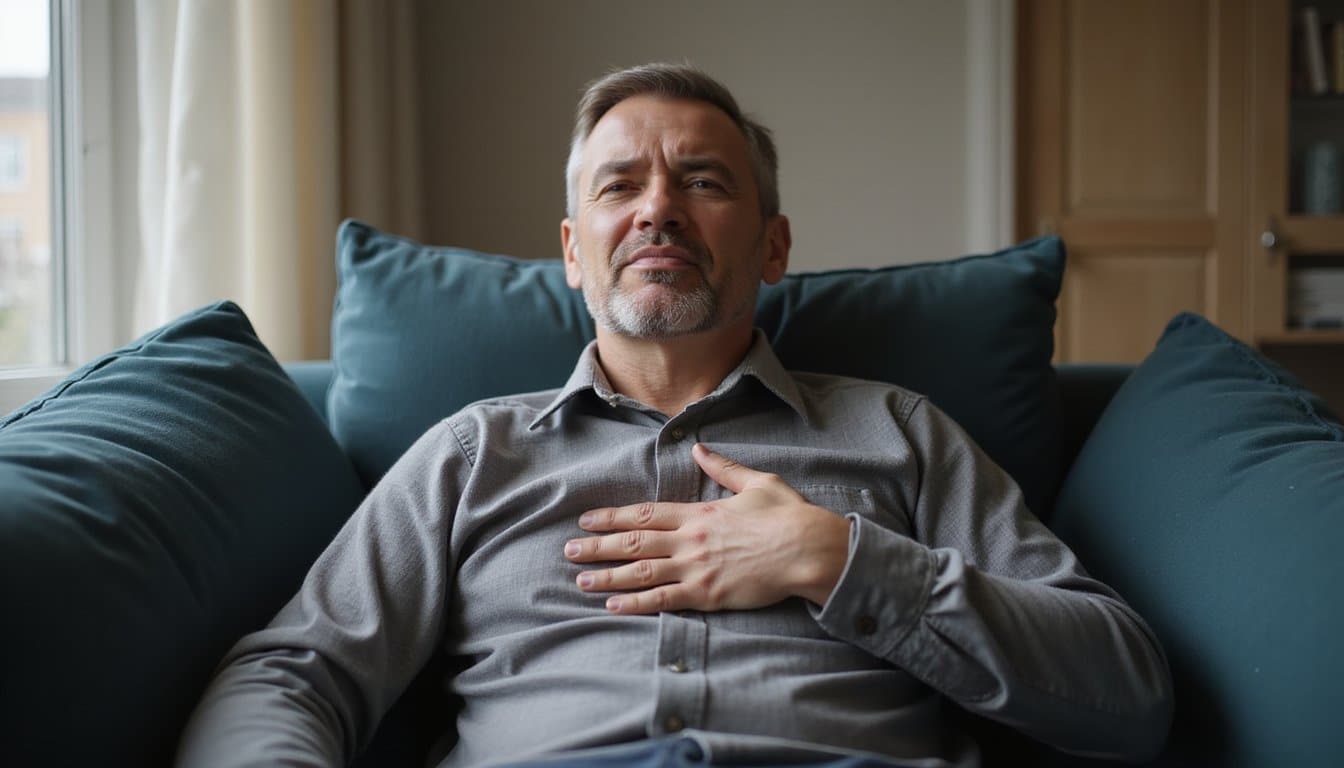
Why does distinguishing alcohol-related chest pain from a heart attack matter so urgently? The differential diagnosis chest pain demands because alcohol-related arrhythmia, acid reflux symptoms, and alcohol induced anxiety all mimic cardiac events. Chest pain after drinking alcohol frequently presents as burning, pressure, or tightness, sensations identical to myocardial ischemia.
Heart attacks typically produce crushing pressure radiating to your shoulders, arms, or jaw, accompanied by sweating, breathlessness, and nausea. Alcohol and heart disease share overlapping symptom profiles, but reflux-driven pain involves burning with digestive distress, while anxiety-related pain includes hyperventilation and dizziness without exertional patterns.
You can’t reliably self-diagnose. If you experience persistent chest pressure, radiating pain, or breathlessness after drinking, seek emergency evaluation immediately.
When Alcohol Chest Pain Needs Emergency Care
Not every episode of alcohol-related chest pain warrants an emergency room visit, but certain symptom patterns indicate potentially life-threatening conditions where minutes determine outcomes. You should recognize that chest pain lasting more than a few minutes, accompanied by pressure radiating to your arms, jaw, or back, shortness of breath, palpitations, or cold sweats, aligns with heart attack warning signs that require immediate 911 activation regardless of how much you’ve had to drink. The critical distinction isn’t whether alcohol caused the pain but whether the underlying mechanism, arrhythmia, myocardial ischemia, or vasospasm, poses an acute threat that only emergency intervention can address.
Signs Requiring Immediate Help
How do you distinguish alcohol-related chest pain that resolves on its own from the kind that requires an ambulance? You assess the clinical picture by evaluating accompanying symptoms. Chest pain paired with certain signs indicates a potentially life-threatening event requiring immediate intervention.
Call emergency services if you experience:
- Chest pain with shortness of breath, especially if it persists beyond 15 minutes or worsens when lying down
- Heart palpitations or irregular heartbeat accompanied by dizziness, lightheadedness, or near-syncope
- Radiating pain spreading to your arms, jaw, neck, shoulders, or back alongside sweating and clamminess
- Neurological changes including confusion, repeated fainting, or seizures occurring with chest pressure
Don’t self-diagnose these symptoms. Each combination suggests distinct cardiac, respiratory, or systemic emergencies where delayed treatment carries irreversible consequences.
Heart Attack Warning Symptoms
Although the previous section outlined general red flags demanding emergency attention, recognizing a heart attack specifically during or after drinking requires understanding how alcohol masks, mimics, and accelerates cardiac events in ways that delay life-saving treatment. Chest pain after drinking alcohol can signal myocardial ischemia, oxygen deprivation that progresses to myocardial infarction without intervention. Key signs of cardiac chest pain include crushing pressure radiating to your jaw, arm, or back, combined with nausea, cold sweats, and breathlessness. Alcohol related angina symptoms often intensify during the hangover phase when sympathetic rebound peaks. Binge drinking doubles your heart attack risk within 24 hours through dehydration, electrolyte imbalances, and catecholamine surges. You should know when to seek emergency care for chest pain: any sustained pressure exceeding five minutes warrants immediate 911 activation.
When To Call 911
Everything discussed so far about cardiac arrhythmia, vasospastic angina, myocardial infarction, and esophageal emergencies converges on a single practical question: when does alcohol-related chest pain require a 911 call rather than watchful waiting? Distinguishing cardiac vs noncardiac chest pain during intoxication is unreliable because alcohol dulls symptom perception. You should call 911 immediately if chest pain after drinking alcohol presents with these emergency warning signs:
- Crushing or radiating pressure lasting beyond several minutes, spreading to your arms, jaw, or back, classic indicators that demand immediate intervention regardless of alcohol related inflammation as a suspected cause
- Shortness of breath after alcohol consumption persisting over 15 minutes, especially with nausea or cold sweats
- Heart palpitations after alcohol accompanied by lightheadedness or near-fainting
- Persistent symptoms exceeding 15 minutes that differ from any prior episodes you’ve experienced
Why Hangovers and Withdrawal Cause Chest Pain
| Feature | Hangover | Withdrawal |
|---|---|---|
| Duration | Under 24 hours | Days to weeks |
| Alcohol induced chest tightness cause | Dehydration, inflammation | Stress hormone surge |
| Cardiac risk | Low | High |
| Medical urgency | Self-limiting | Requires professional detox |
Can Heavy Drinking Permanently Damage Your Heart?
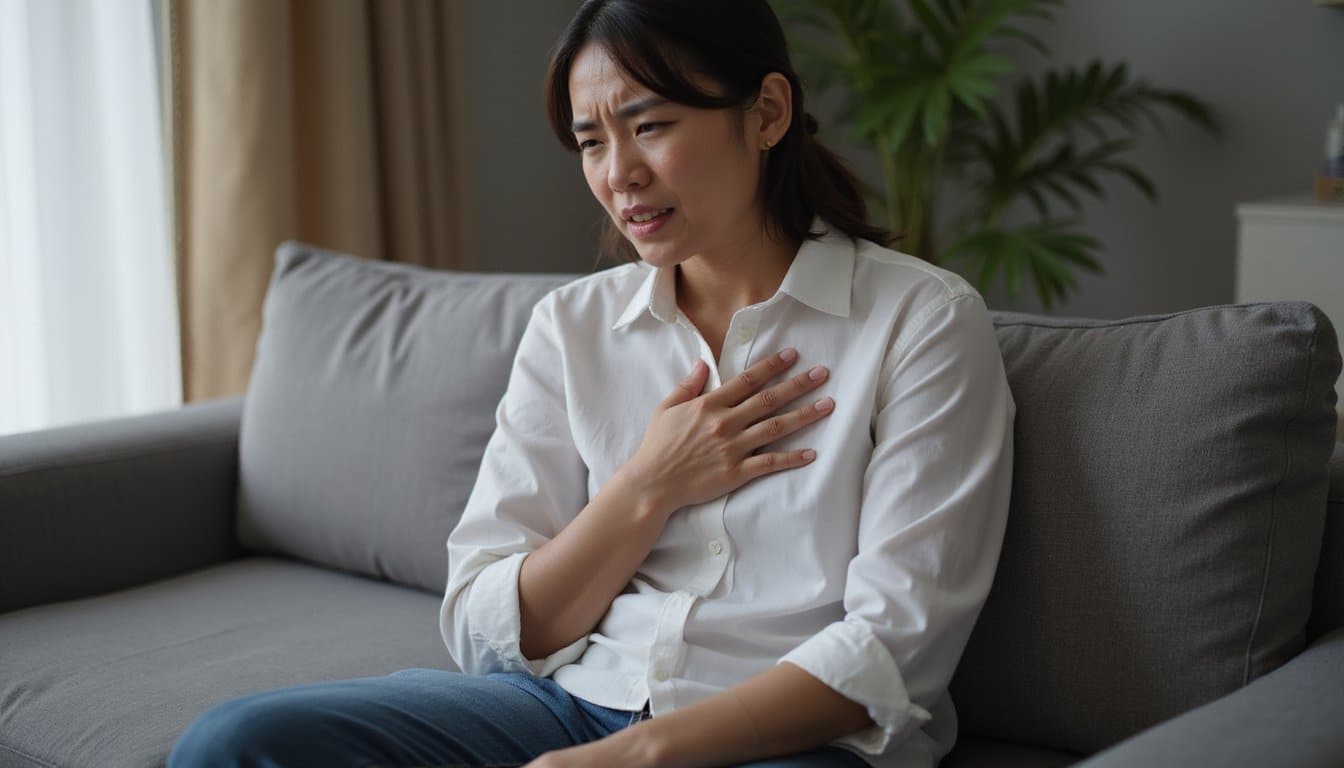
Most people who drink heavily for years never consider the possibility that their heart is quietly remodeling itself until chest pain, breathlessness, or an arrhythmia forces the question. Heavy alcohol consumption over 5, 15 years can cause alcohol-induced cardiomyopathy, left ventricular dilation, reduced contractility, and progressive heart failure. Between 40% and 80% of individuals with alcoholic cardiomyopathy who continue drinking won’t survive beyond 10 years post-diagnosis.
The alcohol and cardiovascular risk profile includes:
- Arrhythmias such as atrial fibrillation, particularly during binge episodes or withdrawal
- Sudden cardiac death, with 3 out of 20 cardiac arrests linked to alcohol
- Congestive heart failure that can persist even after abstinence in severe cases
- Cardiac embolism, stroke, and cachexia as potentially lethal complications
Abstinence can partially reverse damage, improving ejection fraction measurably within six months.
What Makes Alcohol Chest Pain Worse?
Several factors amplify the chest pain you experience from alcohol, turning a manageable symptom into a potentially dangerous one. Mixing drugs like cocaine or stimulants with alcohol produces cocaethylene and compounding cardiovascular toxicity, while smoking simultaneously elevates carboxyhemoglobin levels that reduce myocardial oxygen delivery by up to 15%, tremendously increasing your heart’s strain during intoxication. If you have pre-existing conditions like coronary artery disease, hypertension, or arrhythmia, alcohol’s sympathetic rebound activation and vasomotor effects interact with your baseline cardiac vulnerability to lower the threshold for ischemic events profoundly.
Mixing Drugs With Alcohol
Because alcohol already stresses the cardiovascular system, esophagus, and nervous system through the mechanisms described above, adding medications that interact with alcohol doesn’t just introduce a second variable, it multiplies the physiological insult in ways that make chest pain more likely, more severe, and more dangerous. The alcohol cardiotoxicity mechanism intensifies when combined with drugs that independently affect cardiac rhythm or vascular tone, while alcohol and heartburn chest pain worsens profoundly with NSAIDs. If you’re experiencing alcohol induced atrial fibrillation symptoms, concurrent medications compound your risk substantially.
- Antihypertensives like quinapril or verapamil combined with alcohol trigger dangerous blood pressure drops and arrhythmia
- Pain relievers such as ibuprofen increase gastrointestinal bleeding risk by 37% with just one daily drink
- Anxiety disorder medications including lorazepam amplify CNS depression, raising overdose risk
- Opioids reduce respiration by an additional 19% at 0.1% BAC
Smoking Elevates Heart Strain
How sharply does smoking compound the cardiovascular damage alcohol already inflicts? Even two to five cigarettes daily raise your CVD risk by 50%, and when you combine that with alcohol’s sympathetic rebound activation, you create a synergistic assault on your cardiovascular system.
Smoking drives oxidative stress, endothelial dysfunction, and chronic inflammation, the same pathways alcohol exploits. Together, they accelerate atherosclerosis and dramatically elevate your coronary artery disease risk by two to four times baseline. Nicotine increases your heart rate, tightens major arteries, and promotes arrhythmia, forcing your heart to work harder against already compromised vasculature. Simultaneously, smoking raises blood pressure, compounding alcohol-induced hypertension and increasing stroke risk by 20, 30% even through secondhand exposure. The dose-response curve offers no safe threshold: one cigarette daily elevates most cardiac risks measurably.
Pre-Existing Heart Conditions
Every mechanism through which alcohol generates chest pain in healthy individuals operates with amplified intensity when a pre-existing heart condition is already compromising cardiac function. If you have cardiomyopathy, alcohol’s negative inotropic effects compound your baseline contractile impairment, accelerating progression toward heart failure. Alcohol-triggered atrial fibrillation, the hallmark of holiday heart syndrome, carries heightened stroke and cardiac arrest risk when your heart is already structurally vulnerable. Even alcohol withdrawal anxiety produces catecholamine surges that stress compromised myocardium.
- Alcoholic cardiomyopathy accounts for up to 50% of Western cardiomyopathy cases, with continued drinking increasing embolism, arrhythmia, and cachexia risk
- Elevated cardiac troponin levels appear in asymptomatic heavy drinkers, signaling subclinical myocardial damage
- Echocardiogram findings show 31.5% greater heart wall stretching in frequent drinkers
- Fatal arrhythmias represent the most probable mechanism behind alcohol-related sudden cardiac death
How to Prevent Chest Pain When You Drink
While the most reliable way to eliminate alcohol-related chest pain is to stop drinking entirely, specific evidence-based strategies can reduce your risk if you choose to consume alcohol.
| Strategy | Clinical Rationale |
|---|---|
| Hydrate before, during, and after drinking | Counters alcohol’s diuretic effect, reducing alcohol intolerance symptoms chest discomfort |
| Stay upright two hours post-consumption | Minimizes GERD-driven chest pain after drinking alcohol |
| Avoid trigger foods (spicy, fatty, acidic) | Prevents recurrent chest pain after drinking by reducing gastric acid production |
| Limit intake to one or two drinks | Lowers risk of alcohol and coronary artery spasm and alcohol related shortness of breath |
Preventing chest pain after drinking requires identifying your specific triggers. If symptoms persist despite modifications, stop drinking and seek cardiac evaluation immediately.
Your Healthier Life Starts Now
Struggling with Alcohol addiction is something no one should face on their own. At The Villa Treatment Center, we offer compassionate Drug Addiction Treatment to help you break free and build a healthier life. Call (855) 591-6116 today and let us help you move forward toward a healthier, sober life.
Frequently Asked Questions
Can One Drink of Alcohol Trigger Chest Pain in Healthy People?
Yes, a single drink can trigger chest pain even if you’re healthy. Alcohol immediately spikes your blood pressure and heart rate, reduces lower esophageal sphincter pressure by up to 33%, and stimulates sympathetic nervous system activation, any of which can produce chest discomfort. You might also experience vasospastic angina from coronary artery tone changes or acid reflux mimicking cardiac pain. This isn’t a typical response, so you should seek medical evaluation promptly.
Does Alcohol-Related Chest Pain Feel Different From Acid Reflux Chest Pain?
They often overlap, but key differences exist. Alcohol-triggered cardiac pain typically feels like pressure or tightness, radiates to your arm or jaw, and accompanies palpitations or shortness of breath. Acid reflux pain presents as a burning sensation along your breastbone that worsens when you lie down and responds to antacids. If your chest pain involves irregular heartbeat, crushing pressure, or radiating discomfort, you’re dealing with a potentially cardiac etiology requiring immediate evaluation.
How Long Does Chest Pain From Alcohol Typically Last?
Acid reflux, driven chest pain usually resolves within minutes to a few hours once you stop drinking and take an antacid. Hangover-related chest tightness from sympathetic rebound and dehydration typically peaks 12, 24 hours after your last drink, then gradually fades. If you’re experiencing cardiac symptoms, palpitations, pressure, or pain worsening with activity, they can persist beyond 24 hours and demand prompt evaluation. Any chest pain lasting more than a few hours warrants medical attention.
Can Switching Alcohol Types Reduce the Risk of Chest Pain?
No direct evidence supports switching alcohol types to reduce chest pain risk. However, research shows wine drinkers carry markedly lower coronary heart disease risk than spirits drinkers, with moderate wine consumption linked to 30, 35% fewer heart attacks. Spirits correlate with higher cardiomyopathy and hypertension risks. You shouldn’t rely on beverage switching as a protective strategy, your total intake matters more. If you’re experiencing recurrent chest pain, you need medical evaluation regardless of what you’re drinking.
Is Alcohol Chest Pain More Dangerous for Women Than Men?
Yes, you face greater risk. Your body develops alcoholic cardiomyopathy at markedly lower cumulative alcohol exposure than men’s, and you’ll progress to alcohol-related cardiac damage faster. You’re also 45% more likely to develop heart disease with high alcohol intake. Compounding this, you’re more likely to be underdiagnosed when presenting with chest pain, and you’ll experience worse cardiovascular outcomes even after receiving a prompt diagnosis.