Yes, alcohol can absolutely cause throat pain. Ethanol directly activates your throat’s TRPV1 heat receptors, creating an immediate burning sensation. It also strips moisture from your pharyngeal and laryngeal mucosae, weakening the protective mucus barrier around your vocal cords. On top of that, alcohol relaxes your lower esophageal sphincter, letting stomach acid wash upward into sensitive tissue. The type of drink you choose and your consumption pattern determine how severe, and how lasting, that damage becomes.
Why Alcohol Burns Your Throat on Contact

The burning sensation you feel when alcohol slides down your throat isn’t a metaphor, it’s a neurochemical event rooted in receptor pharmacology. Ethanol directly activates your TRPV1 receptor, the same receptor that detects heat from chili peppers, tricking your brain into perceiving fire where none exists. Higher ABV spirits intensify this chemical irritation because concentrated ethanol strips protective mucus and dehydrates mucosal tissue on contact.
This isn’t just discomfort, it’s cellular damage. Each exposure triggers mucosal inflammation, producing swelling, redness, and pain that persists hours after your last drink. Repeated irritation promotes esophagitis, laryngitis, and acid reflux as alcohol relaxes your lower esophageal sphincter. Alcohol further compounds this damage by stimulating stomach acid production, which can travel upward and aggravate an already inflamed throat. Darker alcohols such as bourbon, red wine, and brandy contain congeners that can prolong throat discomfort, adding a chemical burden beyond ethanol alone. Over time, this chronic tissue assault elevates your risk of throat cancer through sustained epithelial injury and mutagenic acetaldehyde accumulation. You can reduce the intensity of this reaction by chilling your drink, as cold alcohol produces a noticeably milder burning sensation compared to room temperature or warm spirits.
How Dehydration From Drinking Wrecks Your Throat
Beyond direct chemical irritation, alcohol systematically dehydrates the tissues lining your throat through a well-documented diuretic mechanism that strips moisture from the pharyngeal and laryngeal mucosae at precisely the moment they need it most. As dehydration sets in, your salivary glands reduce output, producing xerostomia that eliminates the protective mucus barrier surrounding your vocal cords.
Acetaldehyde, alcohol’s primary metabolite, intensifies thirst through central nervous system activation while histamine release from mast cells compounds the sensation. Your dehydrated throat lining loses lubrication, becomes inflamed, and swells. Without adequate moisture, mucosal membranes can’t trap pathogens or buffer chemical irritants effectively. This throat dryness creates inflammation that worsens greatly if you’re talking or yelling in loud environments, compounding mechanical trauma on already vulnerable, moisture-depleted tissue.
Does Acid Reflux From Alcohol Cause Throat Pain?

When you drink alcohol, ethanol directly relaxes your lower esophageal sphincter, the muscular valve separating your stomach from your esophagus, allowing acidic gastric contents to flow retrograde into the esophagus and throat. This sphincter relaxation occurs pharmacologically at the tissue level, meaning even moderate amounts of alcohol can trigger it, while ethanol simultaneously stimulates increased gastric acid production that amplifies the volume and corrosiveness of refluxate. The result is stomach acid making direct contact with esophageal and pharyngeal epithelium that lacks the stomach’s protective mucosal barrier, producing the burning throat pain, hoarseness, and globus sensation characteristic of alcohol-induced reflux.
Sphincter Relaxation Causes Reflux
Alcohol ranks as the single most potent dietary trigger for gastroesophageal reflux, and it achieves this status through a direct pharmacological mechanism: ethanol relaxes the lower esophageal sphincter (LES), the high-pressure muscular ring at the gastroesophageal junction that normally prevents gastric contents from flowing backward into the esophagus and, ultimately, the throat. When your LES fails, acid reaches the larynx as laryngopharyngeal reflux, producing chronic irritation without typical heartburn. Heavy drinking virtually guarantees reflux episodes, and repeated exposure escalates gastroesophageal reflux disease risk toward Barrett esophagus and esophageal cancer. Even moderate intake triggers symptoms in half of reflux-susceptible individuals. Proton pump inhibitors reduce acid production but don’t restore LES competence. If you’ve developed alcohol use disorder, sphincter dysfunction becomes persistent, requiring both cessation and targeted antireflux management.
Acid Burning Throat Lining
The stomach produces hydrochloric acid at a pH between 1.5 and 3.5, and every time alcohol relaxes your lower esophageal sphincter, that acid escapes upward into tissue never designed to withstand it. This acid regurgitation strips protective mucus from pharyngeal epithelium, producing chemical burns that mimic pharyngitis symptoms, redness, swelling, and raw pain lasting hours to days.
Concurrent gastritis and peptic ulcer disease amplify acid volume available for reflux. Alcohol-induced immune suppression also increases susceptibility to candidiasis oral thrush, compounding throat irritation. If you experience persistent symptoms, an upper endoscopy can identify mucosal erosion directly. H2 receptor antagonists reduce acid output effectively when reflux drives your throat pain. Rule out an allergic reaction to specific beverages, since sulfites and histamines trigger independent inflammatory responses beyond acid-mediated damage.
Which Drinks Cause the Worst Sore Throat?
Not all alcoholic beverages damage your throat equally, because the specific combination of ethanol concentration, chemical additives, fermentation byproducts, and pH determines how each drink interacts with pharyngeal and laryngeal mucosa at the cellular level.
High-proof spirits activate TRPV1 receptors instantly, while darker liquors loaded with congeners extend inflammation hours longer. Red wine delivers histamines and sulfites that trigger throat tightness in sensitive individuals. Beer’s carbonation forces ethanol deeper into tissues and promotes alcohol induced reflux by increasing gastric pressure. The World Health Organization and National Institute on Alcohol Abuse and Alcoholism both link chronic heavy drinking effects to heightened oropharyngeal cancer risk. Immune suppression compounds every exposure. If you’re managing reflux symptoms, H2 receptor antagonists can reduce acid damage. The DSM-5-TR recognizes patterns where these beverages accelerate cumulative pharyngeal injury.
When a Sore Throat After Drinking Means a Real Problem

Most sore throats after drinking resolve within 24 to 48 hours as mucosal hydration returns and acute inflammation subsides, but certain patterns signal damage that won’t self-correct and demands clinical evaluation.
You should seek medical attention if throat irritation persists beyond 10 days, hoarseness suggests laryngeal damage or vocal cord problems, or swallowing pain worsens progressively, indicating esophageal inflammation. Fever with swollen lymph nodes points to bacterial infection enabled by alcohol-driven immune compromise.
Acid reflux occurring twice weekly for several weeks signals chronic GERD, which silently progresses toward strictures, Barrett’s esophagus, and esophageal cancer. Don’t dismiss recurring burning that extends into your chest. Progressive esophageal damage accumulates gradually, and early intervention prevents irreversible complications including precancerous cellular changes and permanent voice deterioration.
How to Soothe Your Throat After Drinking
Once you’ve ruled out serious complications, restoring mucosal hydration, reducing local inflammation, and protecting irritated pharyngeal tissue become your immediate priorities. You’ll get the most relief by combining aggressive fluid replacement with targeted throat-soothing strategies that address the specific damage alcohol causes, dehydrated epithelium, disrupted mucus barriers, and inflamed submucosal tissue. Start with these three evidence-backed approaches: hydrate and rest well, gargle warm salt water, and try soothing throat remedies that coat and calm irritated mucosa.
Hydrate And Rest Well
Because alcohol suppresses antidiuretic hormone and drives fluid losses of 500 to 700 milliliters per five-drink session, your pharyngeal and laryngeal mucosae lose the salivary and submucosal gland secretions they depend on for lubrication, pathogen trapping, and immunoglobulin A delivery, making deliberate rehydration the single most effective intervention you can control.
Before drinking, establish baseline hydration with adequate fluid intake. During consumption, alternate each alcoholic beverage with room-temperature water to counteract dehydration directly. Afterward, replenish lost electrolytes through broth, low-sugar sports drinks, or nutrient-dense whole foods. Warm herbal tea with honey delivers anti-inflammatory polyphenols while boosting saliva production across irritated mucosal surfaces.
Environmental moisture matters equally. Run a clean humidifier to rehydrate exposed throat tissues overnight. Prioritize rest, your immune system requires sleep to restore the neutrophil function and mucosal defenses alcohol suppressed.
Gargle Warm Salt Water
Rehydration restores systemic fluid balance, but it doesn’t neutralize the bacterial overgrowth and localized inflammation already established across your alcohol-irritated pharyngeal mucosa, and that’s where a warm salt water gargle delivers targeted mechanical and chemical intervention directly at the tissue surface. Dissolve half a teaspoon of salt in eight ounces of warm water, then gargle for fifteen seconds before spitting. This hypertonic solution draws excess fluid from edematous tissues, reduces mucosal damage from alcohol, and raises oropharyngeal pH to suppress bacterial proliferation worsening your sore throat after alcohol. Gargle three to four times daily. While this addresses surface-level throat pain after drinking alcohol, it won’t resolve alcohol induced gastritis reflux, relaxation of lower esophageal sphincter dysfunction, alcohol and esophageal inflammation, or mitigate alcohol and throat cancer risk, conditions requiring H2 receptor antagonists and clinical evaluation.
Try Soothing Throat Remedies
How effectively your throat recovers after drinking depends less on any single intervention and more on layering multiple remedies that target distinct mechanisms of alcohol-induced pharyngeal injury simultaneously, dehydration, mucosal inflammation, bacterial proliferation, and acid reflux each require their own countermeasure.
- Hydration, drink water and electrolyte-rich fluids to restore mucosal moisture and salivary flow
- Lozenges and ice, stimulate saliva production while numbing inflamed pharyngeal tissue
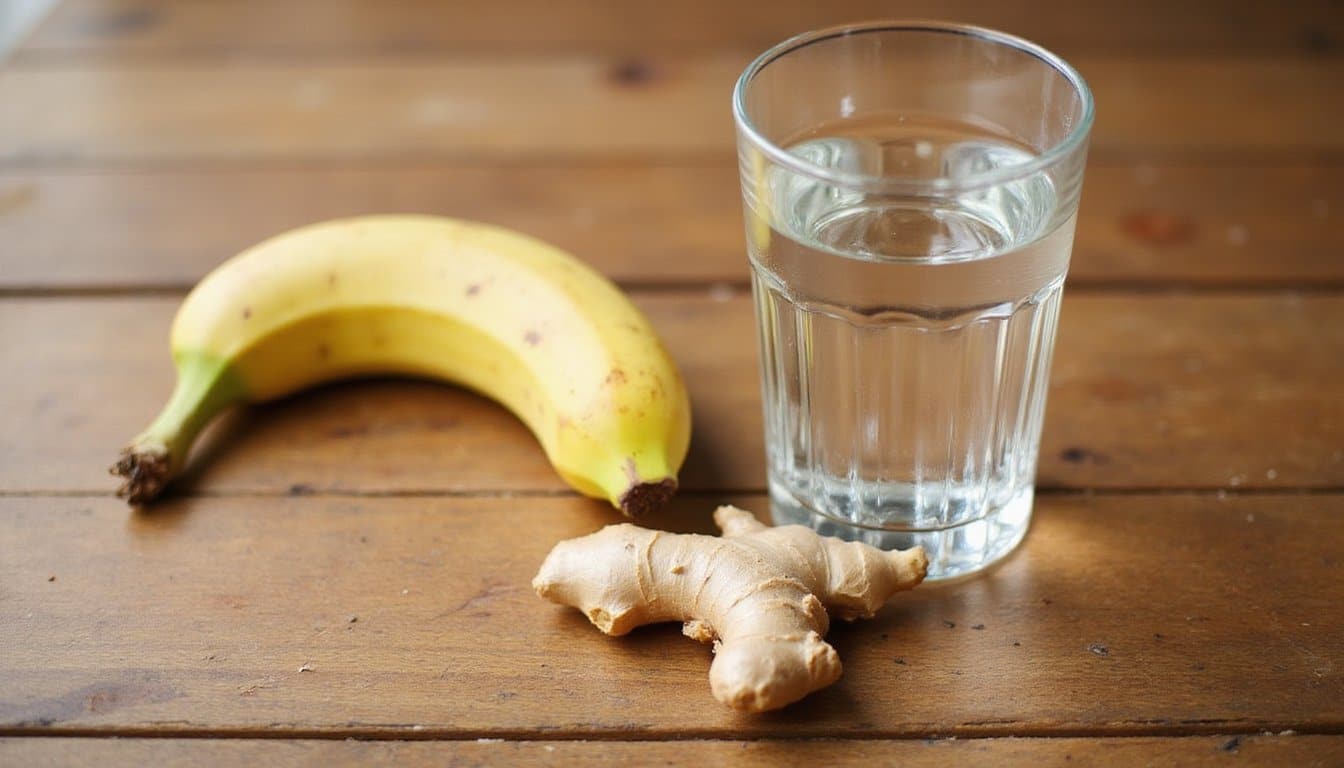
- Warm beverages with honey, coat irritated epithelium, reduce cough reflex, and deliver anti-inflammatory compounds like ginger directly to damaged mucosa
- Humidification and steam, rehydrate dried laryngeal and pharyngeal surfaces via inhaled moisture from a clean vaporizer or steam shower
Pair these approaches with rest so your body can repair compromised mucosal barriers without additional mechanical or chemical stress.
Your Healthier Life Starts Now
Struggling with Alcohol addiction is something no one should face on their own. At The Villa Treatment Center, we offer compassionate Drug Addiction Treatment to help you break free and build a healthier life. Call (855) 591-6116 today and let us help you move forward toward a healthier, sober life.
Frequently Asked Questions
Can Alcohol Weaken Your Immune System Enough to Cause Throat Infections?
Yes, alcohol can absolutely weaken your immune system enough to trigger throat infections. It impairs neutrophil chemotaxis, suppresses mucosal immunoglobulin A secretion, and reduces natural killer cell cytotoxicity, creating a vulnerability window lasting 24 hours or more after heavy drinking. You’re 2.4 times more likely to develop streptococcal pharyngitis if you’re alcohol-dependent, and viral pharyngitis runs 2 to 4 days longer because your body can’t contain pathogens effectively.
Why Does My Throat Hurt Worse From Red Wine Than White Wine?
Red wine’s higher tannin and polyphenol concentrations create an astringent, drying effect on your pharyngeal mucosa that you’ll perceive as more intense irritation than white wine produces. Tannins bind salivary proteins, reducing lubrication across your throat’s epithelial surface. You’re also encountering higher histamine levels in red wine, which trigger localized mucosal vasodilation and inflammatory edema in your pharynx, amplifying soreness despite white wine’s greater acidity and reflux potential.
Does Alcohol Damage Vocal Cords Permanently Over Time?
Yes, alcohol can permanently damage your vocal cords over time. Repeated ethanol exposure causes chronic laryngitis, thickening your vocal folds and stiffening the superficial lamina propria (Reinke’s space), which reduces their vibratory flexibility. Alcohol-driven gastroesophageal reflux delivers acid directly to laryngeal tissue, compounding this damage. Long-term irritation produces polyps and nodules that may require surgical removal, and locally concentrated acetaldehyde causes DNA mutations that increase your laryngeal cancer risk dose-dependently.
Can Alcohol Allergies or Sulfite Sensitivity Cause a Sore Throat?
Yes, both conditions can trigger throat pain through distinct mechanisms. A true alcohol allergy activates an immune response that causes rapid throat itching, swelling, and in severe cases, anaphylactic airway obstruction requiring emergency intervention. Sulfite sensitivity, common with wine, provokes airway hypersensitivity including rhinitis, wheezing, and congestion that irritates pharyngeal tissues. You’ll notice intolerance symptoms appear within minutes, flushing, nasal congestion, and mucosal inflammation that collectively produce sore throat sensations.
Does Drinking Alcohol Increase Your Risk of Developing Throat Cancer?
Yes, drinking alcohol definitively increases your risk of developing throat cancer. The International Agency for Research on Cancer classifies alcohol as a Group 1 carcinogen for pharyngeal, laryngeal, and esophageal cancers. If you consume just two standard drinks daily, you nearly double your pharyngeal cancer risk. At four drinks daily, that risk jumps to 4.6 times higher. Your oral bacteria convert ethanol into acetaldehyde, creating concentrated mutagenic exposure directly against your throat’s epithelium.