Yes, alcohol does numb pain, but only at doses that already impair you. At around 3, 4 drinks, your brain’s GABA receptors dampen pain signals while endogenous opioids kick in, dropping pain ratings by roughly 25%. Here’s the catch: chronic use rewires your nervous system, actually lowering your pain threshold and leaving you more sensitive than before. The relief is real but temporary, and the full picture reveals why it’s never that simple.
How Alcohol Actually Blocks Pain Signals
Everything about alcohol’s interaction with pain circuitry begins at the molecular level, where ethanol reshapes how neurons fire and communicate. When you drink, ethanol potentiates gamma aminobutyric acid at GABA-A receptors, dampening the excitatory signals your nociceptors send toward the thalamus. Simultaneously, it suppresses NMDA receptor activity, reducing central sensitization in your spinal cord’s dorsal horn.
These changes don’t stop at sensory processing. Alcohol triggers dopamine release in your limbic system, altering how your brain assigns emotional weight to painful stimuli. Your prefrontal cortex, responsible for evaluating threat and suffering, receives attenuated input, so pain feels less urgent, less distressing. Meanwhile, endogenous opioid release amplifies suppression across descending pain pathways. You’re not imagining the relief. Your nervous system is genuinely processing fewer pain signals through multiple converging neurochemical mechanisms operating simultaneously. In medical settings, this nerve-blocking principle is applied clinically through neurolytic blocks, where medication containing alcohol or phenol is injected to target nerves so they are unable to transfer pain signals to the brain. Research has shown that alcohol exposure negatively affects the kappa opioid receptor system, which controls brain circuits involved in addiction, emotion, pain, and reward seeking. However, this apparent relief masks a darker reality, as chronic alcohol consumption activates spinal cord microglia and mGlu5 receptors, ultimately driving neuroinflammatory processes that intensify pain over time rather than suppress it.
How Many Drinks Does It Take to Feel Less Pain?
Because alcohol’s pain-relieving properties depend heavily on dose, the question of how much you’d need to drink for meaningful relief has a surprisingly specific answer, and it’s higher than most people assume. Research shows ethanol must reach a blood alcohol concentration near 0.08% before it meaningfully engages your central nervous system’s pain pathways, activating GABA-A receptor inhibition, suppressing glutamate signaling, and triggering endorphins at opioid receptors.
Alcohol doesn’t touch pain until you hit legal intoxication, relief and impairment arrive as a package deal.
Here’s what the dose-response data reveals:
- Below 0.5 g/kg (roughly 1, 2 drinks), no measurable change in pain perception.
- At 0.5, 0.76 g/kg (3, 4 drinks), consistent pain reduction, with ratings dropping approximately 25%.
- Above 0.8 g/kg, analgesia plateaus while toxicity climbs.
That effective threshold sits squarely at legal intoxication, which means you can’t separate meaningful relief from meaningful impairment, a reality that fuels alcohol use disorder risk in chronic pain populations.
Alcohol vs. Opioids for Pain: How They Compare
When you compare alcohol and opioids side by side, their pain-relieving effects are surprisingly similar, both engage your brain’s endogenous opioid system, with alcohol triggering beta-endorphin release through the same mu-opioid receptors that prescription painkillers directly activate. At a blood alcohol concentration of 0.08%, alcohol produces moderate analgesia comparable to standard doses of over-the-counter opioid-containing analgesics, reducing pain ratings by roughly 25% at moderate baseline pain levels. Where these substances sharply diverge, however, is in their long-term risk profiles: chronic use of either one leads to hyperalgesia and dependence, but combining them creates pharmacodynamic interactions that dramatically increase your risk of fatal respiratory depression.
Comparable Analgesic Effects
Although alcohol and opioids belong to entirely different pharmacological classes, they converge on remarkably similar neural circuits to suppress pain, and they exact remarkably similar costs when that suppression becomes a habit.
Both act as a central nervous system depressant, and the alcohol pain relief effect mirrors opioid analgesia through three shared mechanisms:
- Increased GABA activity that dampens nociceptive signaling from the spinal cord to the brain
- Inhibited glutamate transmission at NMDA receptors, reducing central pain sensitization
- Endogenous opioid release that produces a temporary analgesic effect and reinforcing euphoria
You should know that repeated use of either substance triggers neuroadaptation, lowering your baseline pain threshold and, with chronic alcohol exposure, risking peripheral neuropathy. The analgesic profiles overlap, but so do the trajectories toward dependence and hyperalgesia.
Shared Neurochemical Pathways
That shared architecture carries serious consequences. Chronic exposure to either substance drives neuroadaptation mechanisms, GABA downregulation, glutamate upregulation, and blunted dopamine signaling, that simultaneously increase your pain sensitivity and your vulnerability to dependence.
Divergent Long-Term Risks
Despite sharing those neuroadaptive pathways, alcohol and opioids diverge sharply in how they damage your body and derail pain management over time. While opioids carry acute overdose and respiratory depression risks, chronic alcohol misuse unleashes a distinct cascade of harm:
- Neurological deterioration, Thiamine depletion drives Wernicke encephalopathy and Korsakoff syndrome, while direct axonal damage produces alcohol induced neuropathy symptoms that paradoxically intensify pain.
- Pain system reversal, The alcohol hyperalgesia mechanism downregulates GABA receptors and upregulates NMDA activity, meaning your baseline pain worsens. Alcohol withdrawal syndrome amplifies this through tachycardia and nervous system hyperexcitability.
- Compounding disruption, The alcohol and endorphin release effect reinforces dependence, while alcohol and sleep disruption impact fragments restorative sleep stages essential for pain recovery.
Why Alcohol Makes Pain Worse Over Time
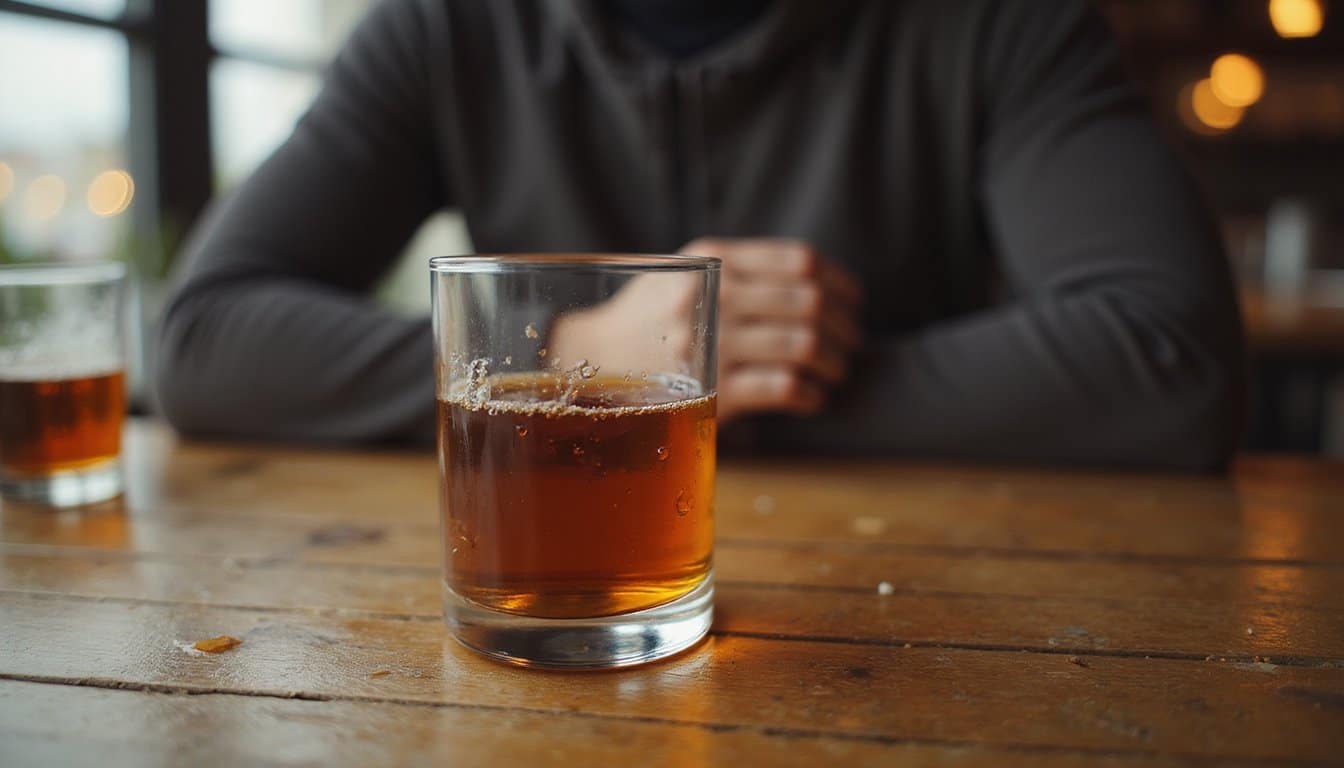
If you’ve been using alcohol to manage pain for weeks or months, your nervous system has likely adapted in ways that now work against you. Chronic alcohol exposure downregulates GABA-A receptors and upregulates NMDA glutamate receptors, meaning your brain’s pain-processing circuits become progressively more excitable, a neurobiological shift called chronic hyperalgesia that leaves you more sensitive to pain than you were before you started drinking. When you stop or cut back, withdrawal amplifies this effect further, as surging glutamate activity and diminished inhibitory signaling drop your pain threshold below its original baseline, creating a cycle where the very substance you relied on for relief is now generating the pain that drives you back to it.
Chronic Hyperalgesia Develops
When alcohol initially dulls pain through GABA enhancement and opioid release, the brain doesn’t passively accept this chemical override, it fights back. Chronic alcohol exposure triggers neuroadaptive changes that produce hyperalgesia through three documented pathways:
- Neuroinflammatory escalation, Spinal microglia activate intensely, releasing IL-6 and driving inflammatory response modulation that amplifies nociceptive signaling.
- Peripheral nerve damage, Oxidative stress pathways generate reactive oxygen species that degrade axonal mitochondria, accelerating alcoholic neuropathy and elevating neuropathic pain risk.
- Nociceptor sensitization, Enhanced PKCε signaling lowers C-fiber mechanical thresholds, meaning stimuli that wouldn’t normally hurt now produce pain.
Research confirms this shift mirrors opioid-induced hyperalgesia. You’re not just losing alcohol’s analgesic effect, you’re creating a nervous system that registers more pain than it did before you started drinking.
Withdrawal Intensifies Pain
Because the brain adapts to alcohol’s depressant effects by increasing excitatory signaling, removing alcohol doesn’t restore a neutral baseline, it unmasks a nervous system that’s now wired to amplify pain. NMDA receptor upregulation drives CNS hyperexcitability, converting what was once analgesia into rebound hyperalgesia. You’ll experience withdrawal body aches, heightened sensory reactivity, and stress hormone surges that intensify nociceptive signaling. Dopamine reward pathway activation collapses, stripping your ability to modulate pain emotionally.
Each subsequent withdrawal worsens through kindling effect progression, repeated detoxifications produce progressively severe symptoms, escalating from tremors to seizures and, in extreme cases, delirium tremens. CRF hyperactivity fuels anxiety-driven pain perception, compelling you to drink again for relief. This cycle doesn’t stabilize; it accelerates, making every withdrawal more painful than the last.
Does Alcohol Help Chronic Pain or Make It Worse?
Although alcohol delivers measurable short-term pain relief through its activation of the endogenous opioid system and central nervous system depression, chronic pain demands a fundamentally different calculus, one where the long-term neurological costs consistently outweigh the temporary benefits.
Regular consumption triggers tolerance development, requiring escalating doses that increase your risk of liver cirrhosis and dependency. The Substance Abuse and Mental Health Services Administration identifies chronic pain as a significant risk factor for alcohol use disorder.
Three mechanisms drive worsening outcomes:
- Altered pain perception from neural changes decreases GABA activity while increasing glutamatergic signaling, producing impaired pain signaling
- Rebound pain after alcohol wears off intensifies your baseline discomfort through pro-inflammatory cytokine surges
- Alcohol and inflammation response compound conditions like rheumatoid arthritis and fibromyalgia, making existing treatments less effective
Why Drinking for Pain Relief Becomes a Habit
The shift from occasional drinking to habitual self-medication rarely happens through a conscious decision, it follows a neurobiological script driven by negative reinforcement. When acute intoxication effects reduce your pain, that relief powerfully reinforces self medication behavior. The National Institute on Alcohol Abuse and Alcoholism recognizes this pattern: pain relief diminishes with repeated exposure as alcohol tolerance and pain control diverge, pushing you to drink more for less benefit.
Over time, your brain’s emotional numbing response weakens while dependence liability increases. Failed alternative coping strategies accelerate this cycle. The DSM-5-TR criteria for alcohol use disorder capture exactly this progression, escalating consumption despite worsening consequences. Critically, abstinence-related pain spikes drive relapse, locking you into a self-perpetuating loop.
Alcohol and Painkillers: A Dangerous Combination
When alcohol enters your bloodstream alongside a pain medication, your liver faces a metabolic conflict it can’t resolve cleanly. The interaction of alcohol and analgesic medications overwhelms hepatic enzymes, causing dangerous medication buildup. The World Health Organization identifies substance misuse patterns involving this combination as a leading contributor to preventable overdose deaths.
Understanding alcohol related health risks pain management requires recognizing three critical dangers:
- Opioid combinations amplify respiratory depression through shared alcohol brain pain pathways, contributing to 22% of prescription opioid overdose deaths.
- Acetaminophen mixed with alcohol causes irreversible liver damage, even at standard doses.
- NSAIDs paired with drinking increase gastrointestinal bleeding risk by 37%.
If you’re using alcohol and chronic pain management strategies simultaneously, the alcohol and emotional pain numbing effect masks escalating physiological harm.
What to Try Instead of Alcohol for Pain Relief
Because alcohol’s analgesic ceiling arrives at the same blood alcohol concentration that produces legal intoxication and measurable organ stress, the practical question isn’t whether alcohol reduces pain, it does, but whether safer alternatives can match or exceed that moderate 0.34 effect size without the neuroadaptive trap of chronic use driving your pain threshold below where it started.
Understanding the long term effects of alcohol on pain perception and alcohol related nerve damage symptoms makes exploring safer alternatives to alcohol for pain compelling. Curcumin and boswellia produce reduced nociceptive signaling through COX-2 inhibition without rebound hyperalgesia. Acupuncture triggers serotonin-mediated stress reduction sensation. CBD oil fights inflammation while improving sleep. Capsaicin desensitizes peripheral pain receptors directly. These options dismantle alcohol and stress coping myths by addressing pain’s root mechanisms, avoiding the escalating risks of using alcohol for pain relief.
Your Healthier Life Starts Now
Struggling with Alcohol addiction is something no one should face on their own. At The Villa Treatment Center, we offer compassionate Drug Addiction Treatment to help you break free and build a healthier life. Call (855) 591-6116 today and let us help you move forward toward a healthier, sober life.
Frequently Asked Questions
Does Alcohol Reduce Pain More Effectively in Men Than in Women?
Research doesn’t show alcohol reliably reduces pain more effectively in one sex than the other. You should know that if you’re assigned female at birth, you’re likely more sensitive to pain overall and you’ll progress to alcohol use disorder faster. Men show stronger links between depressive symptoms and problematic drinking for pain. Either way, you’re facing a ceiling effect, drinking more won’t help more, but it’ll cause greater harm.
Can Alcohol Make You More Aggressive by Raising Your Pain Threshold?
Yes, alcohol can make you more aggressive partly by raising your pain threshold. When you drink, you’re less sensitive to physical discomfort, which removes a natural deterrent against confrontational behavior. Research shows alcohol increases your pain tolerance more than your baseline threshold, and its anxiolytic effects amplify this by lowering fear of consequences. Fundamentally, you’re less afraid of getting hurt, so you’re more willing to engage in aggressive encounters.
Does Pain Come Back Worse the Morning After Drinking?
Yes, your pain can return with greater intensity the morning after drinking. As your blood alcohol drops and acetaldehyde builds up, your body launches a rebound inflammatory response, releasing cytokines like interleukin-6 and TNF-alpha that amplify pain signaling beyond your original baseline. This rebound hyperalgesia mirrors what happens after short-acting opioids wear off. You’re not imagining it; the relief you borrowed last night comes due with interest.
Why Does Alcohol Seem to Help Pain More Than It Actually Does?
Alcohol tricks you into thinking it’s more effective because it doesn’t just dull sensory pain, it reduces your *emotional reaction* to pain through dopamine release and anxiety suppression. You feel euphoric and relaxed, so you perceive dramatically less suffering. But quantitative studies show it only raises your actual pain threshold by about 25% at intoxicating levels. Your brain’s reward system exaggerates the relief, making alcohol feel like a stronger painkiller than it truly is.
Can Alcohol Cause Nerve Damage That Creates New Chronic Pain?
Yes, chronic alcohol use can directly damage your peripheral nerves, a condition called alcoholic polyneuropathy. Ethanol and its metabolite acetaldehyde destroy nerve fibers through oxidative stress, thiamine deficiency, and direct toxicity to the cells that insulate your nerves. Up to 66% of people with chronic alcohol abuse develop this condition. You’ll feel burning pain, numbness, and tingling that typically starts in your feet and becomes permanent.