
When you snort Adderall, the effects typically last 2, 4 hours, roughly half the duration of the same dose taken orally. That’s because nasal insufflation bypasses first-pass liver metabolism, delivering amphetamine to your brain within 3, 5 minutes with 30, 40% higher bioavailability. The tradeoff is a sharper crash, faster tolerance buildup, and increased cardiovascular and nasal tissue damage. Understanding what happens in the hours after that initial high can change how you assess the real risks.
Why Snorting Adderall Hits Faster Than Swallowing It

When you crush and snort Adderall, the drug bypasses your entire digestive system and enters the bloodstream directly through the capillary-rich lining of the nasal mucosa, a route that delivers amphetamine to the brain within 3 to 5 minutes, compared to the 30 to 60 minutes required for oral absorption through the gastrointestinal tract.
This rapid absorption mechanism explains the onset time comparison between routes. Nasally, you reach peak plasma concentration faster, producing an immediate high that oral dosing never generates. The pharmacokinetic differences are significant: bioavailability vs oral ingestion increases by 30 to 40 percent because you’re skipping first-pass liver metabolism entirely. That physiological impact speed strains your cardiovascular system instantly, elevating heart rate and blood pressure, while simultaneously intensifying dopamine surges that accelerate dependence risk. Because the effects are stronger and faster through this route, snorting significantly increases the risk of severe cardiac events such as heart attacks, strokes, and seizures. Over time, this repeated nasal exposure damages the nasal mucous membranes, leading to recurring nosebleeds and progressive deterioration of the sinus passages. The method of crushing tablets into powder and inhaling it mirrors cocaine use, and users pursue it primarily to achieve rapid euphoria rather than any therapeutic benefit.
How Long Does Snorted Adderall Last vs. Oral Use?
How quickly does the high fade when you snort Adderall instead of swallowing it? Snorting produces effects lasting just 2 to 4 hours, while oral use delivers 4 to 6 hours with immediate-release and 10 to 12 hours with extended-release formulations. The pharmacokinetics explain this gap: insufflation creates a rapid plasma spike followed by a steeper decline, whereas oral absorption maintains steadier blood levels. This compressed duration carries real consequences. The faster crash drives repeated dosing cycles, increasing both overdose risk and cardiovascular strain. You’ll experience sharper fatigue, mood swings, and cravings that often last as long as the high itself. Tolerance builds quickly, pushing you toward higher doses. The shorter the effect window, the greater your likelihood of compulsive redosing and addiction.
Snorting Instant-Release vs. Extended-Release Adderall
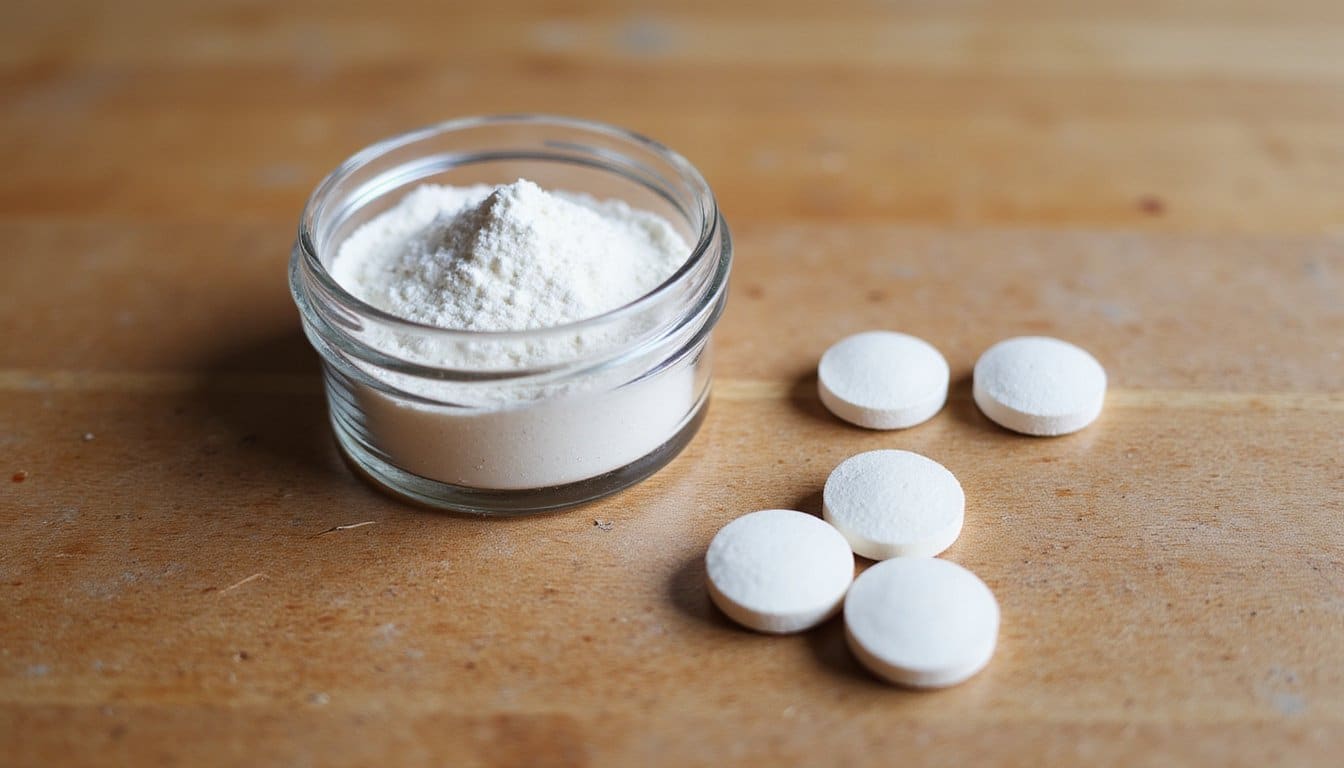
When you crush and snort an immediate-release Adderall tablet, you’re accelerating a formulation already designed for rapid oral absorption, pushing peak plasma concentrations higher and faster than the intended Cmax of 36.6 ng/mL reached at roughly 3 hours orally. Snorting extended-release Adderall is measurably more dangerous because you’re destroying the dual-bead delivery system engineered to split the dose into two phases, half immediate, half delayed by 4 hours, forcing the entire payload into your bloodstream at once instead of over 10 to 12 hours. This distinction matters clinically: XR’s oral Cmax of 23.5 ng/mL at 8 hours becomes a sudden, uncontrolled spike that far exceeds what your cardiovascular and central nervous systems can safely process.
IR vs XR Differences
Two distinct formulations of Adderall exist on the market, immediate-release (IR) and extended-release (XR), and snorting eliminates the core pharmacokinetic difference between them. When you crush and insufflate XR capsules, you bypass the dual-bead delivery system entirely, converting the amphetamine and dextroamphetamine payload into a single rapid dose. The snorted Adderall onset time drops to minutes for both forms, and intranasal amphetamine duration compresses to roughly 2, 4 hours regardless of formulation.
Your adderall intranasal onset and duration profile becomes nearly identical between IR and XR once you destroy the timed-release mechanism. The adderall half life in adults remains 10, 13 hours, but perceived effects fade faster after the initial spike. Key factors affecting amphetamine duration, metabolism, tolerance, dose, and body composition, shorten the window further, increasing binge and overdose risk.
Bypassing Extended-Release Coating
Crushing Adderall XR capsules strips away the dual-bead delivery system that separates half the dose for immediate dissolution and half for delayed release 4 hours later. Once you snort the crushed mixed amphetamine salts, the full dose floods your nasal membranes simultaneously, producing immediate release pharmacokinetics identical to IR formulations. This triggers a faster euphoric effect and sharply increased dopamine release in the nucleus accumbens.
You’ll experience a shorter duration than oral use because the rapid plasma spike drops off steeply, compressing the stimulant crash timeline to roughly 2 to 4 hours. The concentrated surge also extends cardiovascular strain duration, sustaining augmented heart rate and blood pressure beyond the subjective high. No extended-release protection remains, you’re absorbing an uncontrolled full dose through tissue never designed for pharmaceutical exposure.
What Affects How Long the Effects Stick Around?
Tolerance plays a critical role. If you’ve built dependence, baseline effects shorten, demanding higher doses, which compounds elevated heart rate duration and cardiovascular strain. Body composition, food intake, and polysubstance use further alter duration unpredictably. Mixing stimulants or depressants overwhelms neurochemical pathways, destabilizing effect timelines. For individuals managing attention deficit hyperactivity disorder, these variables underscore why oral administration under clinical supervision remains the only pharmacologically sound approach.
The Crash After Snorting Adderall Hits Hard and Fast

Once the rapid dopamine surge from insufflated Adderall peaks and plasma levels begin their steep descent, the crash doesn’t creep in, it slams. You’ll experience extreme fatigue, irritability, and depression within five to nine hours as dopamine reserves deplete. Cognitive fog and restlessness follow, intensifying the urge to redose, a cycle that accelerates stimulant use disorder.
Your sympathetic nervous system, already strained during the high, destabilizes further. Tachycardia, blood pressure fluctuations, and tremors mark the physical toll. For individuals with cardiac vulnerabilities, this phase carries real risk of arrhythmia, myocardial infarction, or stroke. Whether you’re prescribed Adderall for ADHD or narcolepsy, snorting produces a crash far more severe than oral dosing. Nosebleeds, headaches, and nausea compound the psychological weight, reinforcing compulsive use patterns.
What the Next 24 Hours After Snorting Look Like
Once the initial crash passes, your body enters a recovery phase that unfolds in distinct stages over the next 24 hours, marked by shifting physical symptoms and measurable withdrawal-like effects. You’ll likely experience persistent fatigue, irritability, and mood instability as dopamine levels drop below your baseline, while cardiovascular symptoms like heightened resting heart rate and blood pressure fluctuations can linger for 12 hours or longer. Understanding this timeline helps you recognize which symptoms are expected and which, such as chest pain or severe confusion, require immediate medical attention.
Crash And Withdrawal Timeline
The stimulant high from snorted Adderall drops off sharply, and what follows isn’t simply tiredness. Crash onset begins 10, 36 hours after your last dose, triggering pronounced fatigue, irritability, and central nervous system slowdown. Insomnia often appears paradoxically alongside exhaustion, and depression after stimulant crash surfaces within the first 12 hours.
During peak withdrawal 24-48 hours later, stimulant withdrawal symptoms intensify, mood swings, headaches, anxiety, and nightmares escalate. Physical manifestations include hypersomnia replacing initial sleeplessness, surging appetite, muscle tremors, and persistent lethargy. Vivid drug-related dreams are commonly reported.
This compressed timeline directly reflects snorting’s rapid delivery and steeper plasma drop-off. The accelerated cycle dramatically elevates relapse risk and mirrors the neurological pattern clinicians associate with developing substance use disorder. Professional monitoring during this window is critically important.
Physical Effects Throughout Day
Beyond that crash-and-withdrawal window, your body doesn’t simply reset, it moves through a distinct 24-hour physical arc that reflects how snorted amphetamine behaves from the moment it hits nasal tissue through its final metabolic clearance. Within minutes, you’ll experience hypertension, tachycardia, and heightened alertness. At peak concentration, anxiety disorder symptoms intensify alongside insomnia and appetite suppression. Mid-phase, paranoia and cold extremities signal sustained cardiovascular strain, while nasal septum perforation risk climbs with repeated use.
What Snorting Adderall Does to Your Nose and Heart
How quickly does snorting Adderall damage your body? The nasal tissue damage risk begins immediately. Amphetamine constricts blood vessels in your nasal mucosa, causing ischemia that leads to septal perforation, chronic rhinitis, and epistaxis. Repeated use destroys cartilage permanently.
Your cardiovascular system absorbs the impact simultaneously. Insufflation produces increased blood pressure effects, often exceeding 160/100 mmHg, alongside heart rates surpassing 100 bpm. These cardiovascular complications of amphetamines include arrhythmias, hypertensive crisis, and stroke. Hyperthermia above 39°C compounds cardiac strain further.
If you’re taking monoamine oxidase inhibitors, the danger escalates, combining them with amphetamines can trigger serotonin syndrome, a life-threatening emergency. Chest pain, confusion, or sustained rapid heartbeat demands immediate medical attention. Contact Poison Control at 1-800-222-1222.
Why Tolerance Builds Faster When You Snort Adderall
Because snorting Adderall bypasses the digestive system and delivers amphetamine directly through the nasal mucosa’s capillary network, the drug reaches your brain within 3 to 5 minutes, producing a dopamine and norepinephrine surge that’s 30 to 40 percent more intense than the same oral dose. This rapid absorption through nasal mucosa forces accelerated tolerance development by desensitizing D2 receptors in the striatum faster than oral administration does.
The pharmacokinetics of amphetamine salts shift dramatically with insufflation: shorter peak duration drives compulsive redosing behavior, which compounds tolerance development within weeks rather than months. Each rapid surge deepens dependence risk as your reward circuitry recalibrates around intensified stimulation. Sustained exposure at these concentrations raises neurotoxicity concerns, including documented dopaminergic receptor downregulation linked to anhedonia and cognitive impairment. Escalating doses follow predictably.
Your Recovery Starts Here
Living with Prescription Drug addiction can feel overwhelming, but you do not have to go through it alone. At The Villa Treatment Center, our Drug Addiction Treatment program is designed to help you reclaim your life and build a healthier future. Call (855) 591-6116 today and take the first step toward the life you deserve.
Frequently Asked Questions
How Long Does Snorted Adderall Show up on a Drug Test?
When you snort Adderall, detection times vary by test type. Urine tests detect it for 1, 4 days with occasional use and up to 7 days with chronic use. Blood tests pick it up within 12, 46 hours. Saliva tests identify it within 20 minutes and remain positive for 20, 50 hours. Hair follicle tests provide the longest window, detecting use for up to 90 days. You should consult your prescriber about any concerns.
Can Snorting Adderall Cause a Fatal Overdose the First Time?
Yes, snorting Adderall can cause a fatal overdose the first time. When you crush and snort the drug, especially extended-release formulations, you’re delivering the entire dose directly into your bloodstream within minutes, overwhelming your cardiovascular and central nervous systems. Without established tolerance, your risk of hypertensive crisis, cardiac arrhythmia, seizures, or stroke increases greatly. If you suspect an overdose, call 911 or Poison Control (1-800-222-1222) immediately.
Are There Safer Prescribed Alternatives to Adderall With No Abuse Potential?
Yes, you’ll find several non-stimulant alternatives that carry no abuse potential. Atomoxetine (Strattera), viloxazine (Qelbree), and guanfacine (Intuniv) all treat ADHD effectively without triggering the dopamine surge that drives misuse. They can’t be abused through insufflation or other routes. If you’re concerned about your relationship with Adderall, talk to your prescriber, they can evaluate whether switching to a non-stimulant option is clinically appropriate for you.
What Should You Do if Someone Overdoses on Snorted Adderall?
Call 911 immediately and tell dispatchers the substance and method used. While you wait, monitor the person’s breathing, heart rate, and consciousness. Watch for chest pain, confusion, tremors, hallucinations, or loss of consciousness, these signal life-threatening toxicity. Don’t leave them alone. If they’re unconscious, place them in the recovery position.
Does Snorting Adderall Cause Permanent Brain Damage Over Time?
Yes, snorting Adderall can cause lasting brain damage over time. Chronic insufflation downregulates D2 dopamine receptors in your striatum, leading to anhedonia, cognitive blunting, and impaired reward processing. You’ll also risk disrupted natural neurotransmitter production, memory deficits, and permanent personality changes. PET imaging studies confirm these structural shifts don’t fully reverse after prolonged exposure.