
Outdoor therapy helps you recover from addiction by using nature’s calming effects to lower cortisol, reset your nervous system, and restore disrupted dopamine pathways. You’ll swap substance-driven routines for physically engaging activities that trigger natural endorphin release. Wilderness challenges build real coping skills, while group experiences reduce isolation and foster accountability. It’s a holistic approach that treats your mind, body, and emotional well-being simultaneously. Each section below explores how these natural mechanisms support lasting recovery.
Why Stepping Away From Triggers Is the First Step to Healing

This approach aligns with nature therapy for mental health, where reduced cortisol and improved emotional regulation replace stress-driven relapse cycles with grounded, sustainable healing. By physically stepping into natural environments, individuals can distance themselves from high-risk people and places, effectively building a coping toolbox that supports long-term recovery. Emotionally focused therapy techniques can enhance the benefits of nature therapy by addressing underlying emotional issues. In addition to emotionally focused therapy techniques, incorporating individual therapy techniques can provide a more tailored approach for individuals seeking recovery.
How Nature Lowers Stress and Anxiety in Recovery
- Cool breezes moving across your skin while guided breathing exercises reset your nervous system’s baseline
- Water sounds dissolving racing thoughts as your brain’s stress-related regions measurably recalibrate
- Sunlight filtering through a forest canopy while walking meditation strengthens attentional recovery processes
These cumulative neurological shifts build sustainable self-regulation tools extending well beyond treatment. Research confirms that immersion in natural environments reduces cortisol levels, reinforcing the body’s ability to maintain lasting calm during the recovery process.
Why Wilderness Challenges Build Lasting Coping Skills
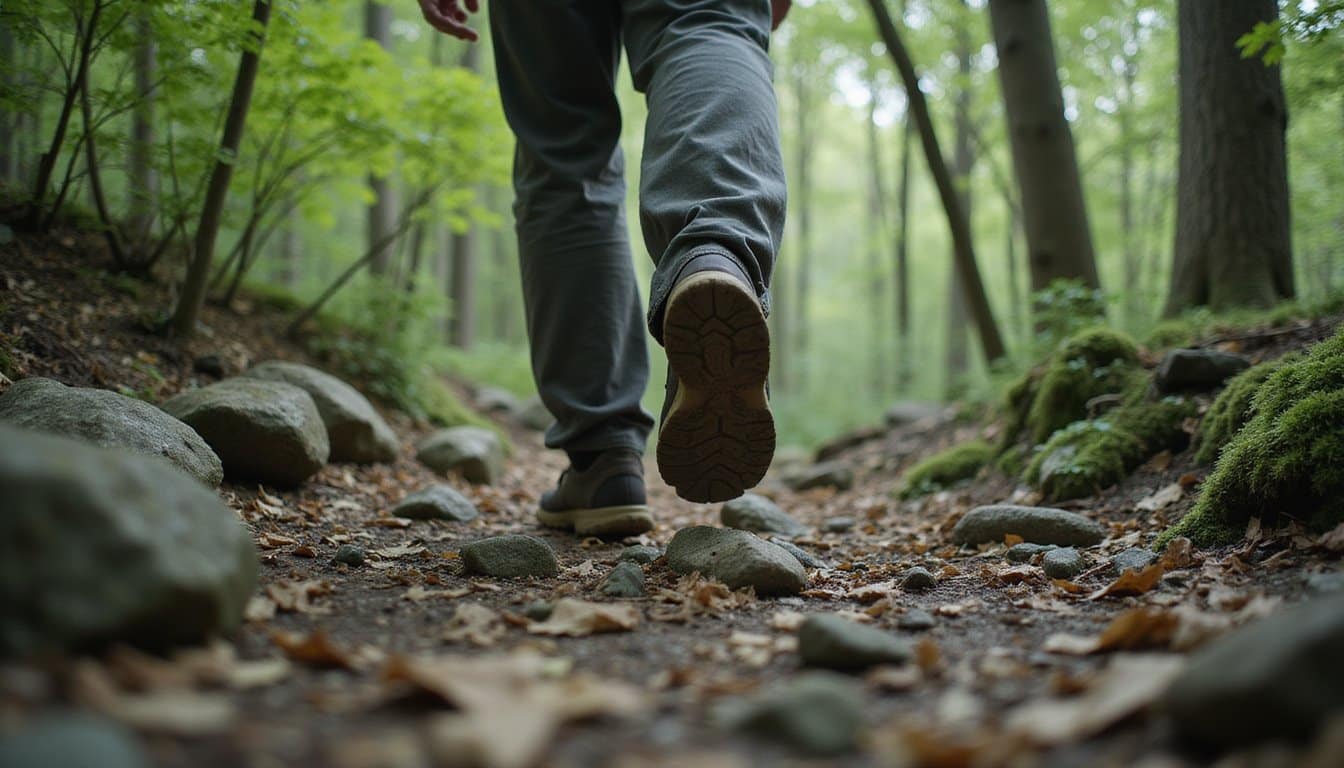
When you’re scaling a rocky incline with burning legs and doubt creeping in, you’re simultaneously rehearsing the exact mental framework addiction recovery demands. Wilderness therapy transforms physical obstacles into neurological training grounds where you develop coping mechanisms that directly transfer to managing cravings and relapse triggers.
Through experiential therapy addiction treatment integrates hiking, fire-starting, and backcountry navigation to build problem-solving skills you’ll access during recovery’s hardest moments. You’re not just learning survival techniques, you’re rewiring decision-making pathways disrupted by substance use. These programs are led by licensed therapists and trained outdoor experts who ensure each challenge is both safe and therapeutically meaningful.
Each completed challenge generates measurable self-efficacy. When you’ve navigated unfamiliar terrain or built shelter from raw materials, you’ve proven your capacity to endure discomfort without substances. That confidence doesn’t stay in the wilderness, it follows you into daily sobriety.
How Outdoor Therapy Helps You Replace Destructive Habits
Because addiction thrives on ingrained patterns, outdoor therapy targets habit replacement at both the neurological and behavioral level, swapping substance-driven routines with structured, physically engaging activities that restore disrupted dopamine pathways. Through outdoor behavioral therapy, you’re not simply avoiding destructive habits, you’re actively building purposeful alternatives that anchor your daily recovery.
Outdoor therapy replaces substance-driven routines with purposeful, physically engaging alternatives that restore dopamine pathways and anchor daily recovery.
Holistic addiction treatment approaches integrate nature-based activities that fill unoccupied hours with rewarding engagement:
- Morning trail hikes that establish predictable routines, triggering endorphin release while replacing idle time vulnerable to cravings
- Therapeutic horticulture sessions that ground you in sensory experiences, promoting introspection and emotional regulation
- Group outdoor challenges that build accountability and foster purpose-driven physical movement
Recovery through nature exposure works because natural environments discourage substance use while reinforcing constructive behavioral patterns that sustain long-term sobriety.
Why Group Outdoor Therapy Strengthens Long-Term Recovery

Group-based outdoor activities reduce isolation by fostering teamwork, communication, and mutual accountability. Side-by-side challenges in wilderness settings build trust more naturally than traditional face-to-face therapy, encouraging authentic connection. You’ll develop leadership skills and interpersonal responsibility that directly support long-term recovery sustainability.
The nature-based therapy benefits extend beyond individual gains. Shared accomplishments boost collective confidence, while peer support reinforces healthy coping strategies. Research reviewing 18 studies found positive outcomes in 85% of nature-based interventions. These communal experiences establish routines and relationships that sustain sobriety well beyond program completion. Benefits of individual therapy can enhance personal development through personalized support for individual challenges.
Heal With Care That Centers Around You
The therapy approach you choose shapes everything from how quickly you grow to how deeply you connect with your own healing. At The Villa Treatment Center in Woodland Hills, CA, our experienced clinicians deliver focused Individual Therapy with empathy, insight, and a fully personalized approach. Call +1-818-639-7160 today and take the first step toward lasting recovery.
Frequently Asked Questions
Is Outdoor Therapy Safe for People With Co-Occurring Mental Health Disorders?
You can safely participate in outdoor therapy with co-occurring mental health disorders when programs include licensed clinical oversight and trauma-informed protocols. You’ll need a thorough pre-therapy assessment evaluating your psychological capacity, emotional tolerance, and any conditions requiring specialized modifications. Credentialed professionals should monitor your progress through individualized debriefs and mid-session check-ins. If you’re experiencing severe symptoms, you’ll want more intensive clinical support before integrating nature-based approaches into your recovery plan.
How Long Does a Typical Outdoor Therapy Program Last for Addiction?
Typical outdoor therapy programs for addiction last anywhere from 28 days to 180 days, depending on your specific needs. If you’re addressing co-occurring mental health conditions, you’ll likely benefit from 90+ days of thorough care. Shorter options, like weekend retreats or biweekly sessions, can supplement your recovery journey. Your treatment team will assess your progress and adjust the duration accordingly, ensuring you’re building sustainable coping skills and lasting behavioral change.
What Happens if Someone Experiences Severe Withdrawal Symptoms During Outdoor Therapy?
If you experience severe withdrawal symptoms during outdoor therapy, your treatment team should immediately shift you to a medically supervised setting. Symptoms like seizures, hallucinations, or cardiac complications require clinical intervention that outdoor environments can’t safely provide. You’ll need monitored detoxification before returning to nature-based programming. That’s why reputable programs conduct thorough medical screenings beforehand, ensuring you’re physically stable enough to benefit from outdoor therapy’s healing potential without compromising your safety.
Can Outdoor Therapy Work as a Standalone Treatment for Addiction Recovery?
Outdoor therapy works best as a complementary approach rather than a standalone treatment for your addiction recovery. While you’ll benefit from reduced cortisol levels, improved dopamine regulation, and disrupted environmental triggers, you still need clinical support for underlying mental health conditions, medication management, and structured relapse prevention. Combining wilderness experiences with counseling and behavioral therapy creates a thorough, holistic recovery plan that addresses your physiological, psychological, and emotional healing simultaneously.
What Physical Fitness Level Is Required to Participate in Outdoor Therapy?
You don’t need any specific fitness level to participate in outdoor therapy. Programs adapt activities to match your current ability and comfort, whether that’s gentle walking, yoga, or stretching. Trained fitness professionals design personalized plans that progress gradually as your strength and stamina improve. From low-impact options to more challenging adventures like hiking or kayaking, there’s always an activity suited to where you’re starting physically in your recovery journey.