To cure body pain after alcohol, you’ll need to rehydrate with electrolyte solutions containing sodium, potassium, and magnesium, not plain water alone. Alcohol suppresses vasopressin, stripping your body of fluids and essential minerals that muscles need to function. Eat potassium-rich bananas, cysteine-packed eggs, and anti-inflammatory ginger to neutralize acetaldehyde and calm cytokine-driven pain pathways. These evidence-backed steps address the root mechanisms, and the full recovery plan below breaks down exactly what to do hour by hour.
Why Alcohol Makes Your Whole Body Ache

When alcohol enters your bloodstream, your liver immediately begins converting ethanol into acetaldehyde through alcohol dehydrogenase enzymes, producing a metabolite roughly 30 times more toxic than alcohol itself. This acetaldehyde toxicity triggers DAMPs release, activating both peripheral and central pain pathways while damaging muscle cell membranes through lipid peroxidation.
Simultaneously, alcohol induced inflammation drives cytokine surges that sensitize pain receptors throughout skeletal muscle. Your body faces compounding electrolyte imbalance as alcohol’s diuretic action depletes magnesium, potassium, and sodium critical for normal muscle function. The resulting dehydration effects reduce oxygen delivery to tissues, impairing lactic acid clearance and intensifying stiffness. Meanwhile, muscle and nerve disruption occurs through suppressed protein synthesis, inhibited growth hormone release, and direct neurotoxic damage, collectively producing widespread, debilitating achiness. Chronic alcohol misuse can also cause peripheral neuropathy, leading to numbness and pain that amplifies the body’s overall ache response. Alcohol also disrupts calcium absorption, interfering with the precise signaling muscles require for proper contraction and relaxation cycles. For individuals with pre-existing conditions such as gout, alcohol consumption increases uric acid levels, compounding joint and body pain beyond typical hangover symptoms.
When Body Pain After Alcohol Is a Warning Sign
If your body pain persists beyond 24 to 48 hours after your last drink, it’s no longer a typical hangover, it’s a clinical signal that warrants serious evaluation. Persistent or escalating pain can indicate alcohol withdrawal syndrome, which triggers NMDA receptor hyperexcitability and autonomic nervous system dysregulation that intensify musculoskeletal discomfort, tremors, and systemic inflammation beyond what normal metabolic recovery produces. You shouldn’t wait for symptoms to become severe before seeking medical attention, because early intervention dramatically improves outcomes for withdrawal complications, neuropathy, and organ damage that initially present as “just” body pain.
Persistent Pain Needs Attention
Most episodes of alcohol-related body pain resolve within 24 to 72 hours as acetaldehyde clears, inflammation subsides, and electrolyte balance is restored. Pain persisting beyond this window signals deeper pathology requiring clinical evaluation.
You should monitor for indicators of alcoholic myopathy, including persistent muscle weakness, dark urine, cramping, and progressive mass loss. These symptoms reflect impaired protein synthesis and disrupted liver metabolism, ethanol processing that allows lactic acid accumulation and sustained oxidative stress in muscle tissue.
Alcohol withdrawal symptoms compound this damage through reduced endocannabinoid 2-AG levels, producing allodynia that can become permanent with heavy drinking patterns. Leg pain involving numbness, circulation changes, or difficulty standing warrants immediate physician consultation, as these indicate nutrient deprivation, toxic acid buildup, or vascular compromise that won’t self-correct.
Signs Of Alcohol Withdrawal
Body pain that doesn’t fade within 72 hours may not be a lingering hangover, it may be the opening stage of alcohol withdrawal, a neurological syndrome that follows its own predictable and potentially dangerous timeline.
Within 6, 12 hours of your last drink, you’ll typically notice:
- Tremors, uncontrollable hand shaking driven by nervous system hyperexcitability
- Anxiety, intense, disproportionate nervousness signaling glutamate rebound
- Insomnia, persistent sleep disruption compounding pain sensitivity
- Gastrointestinal disturbances, nausea, vomiting, and stomach upset from mucosal irritation
- Elevated heart rate and sweating, autonomic instability marking sympathetic overdrive
Between 12, 48 hours, seizures and hallucinations can develop. Delirium tremens peaks at 48, 72 hours, affecting approximately 5% of cases. If you’re experiencing these symptoms, seek immediate medical evaluation, alcohol withdrawal can become life-threatening without clinical intervention.
Seek Medical Help Early
Though most alcohol-related body pain resolves within 24, 72 hours through hydration, rest, and targeted supplementation, certain symptoms signal dangerous organ-level damage or systemic failure that won’t respond to home remedies, and delaying evaluation can turn a treatable condition into a medical emergency.
Emergency symptoms recognition is critical: chest tightness, shortness of breath below eight breaths per minute, upper abdominal pain radiating to your back, numbness in extremities, or persistent muscle soreness after drinking that worsens beyond 72 hours all warrant immediate medical evaluation criteria review.
Your physician will order liver function tests, specifically checking AST ALT heightened, to assess hepatocellular damage. Heightened markers alongside jaundice, abdominal swelling, or mental confusion indicate advanced alcohol-related organ injury. Don’t rationalize worsening symptoms. Early diagnosis directly determines whether conditions remain reversible or progress toward permanent damage.
Rehydrate Fast With Electrolytes, Not Just Water
Because alcohol suppresses vasopressin secretion from the posterior pituitary, every standard drink you consume forces your kidneys to expel roughly 100 milliliters of additional fluid beyond normal output, meaning a night of five drinks can produce 600 to 1,000 milliliters of excess fluid loss that strips sodium, potassium, magnesium, and phosphate from your system simultaneously.
Plain water can’t correct alcohol dehydration alone. Effective rehydration therapy requires electrolyte replacement drinks that restore sodium potassium balance and support magnesium supplementation at clinically relevant levels.
- Drink 8, 12 ounces of an electrolyte solution immediately upon waking
- Sip 4, 6 ounces hourly throughout your recovery day
- Choose coconut water or low-sugar hydration powders over sports drinks
- Prioritize formulas containing sodium, potassium, and magnesium together
- Avoid high-sugar options that worsen gastrointestinal distress
Foods That Fight Body Pain After Drinking
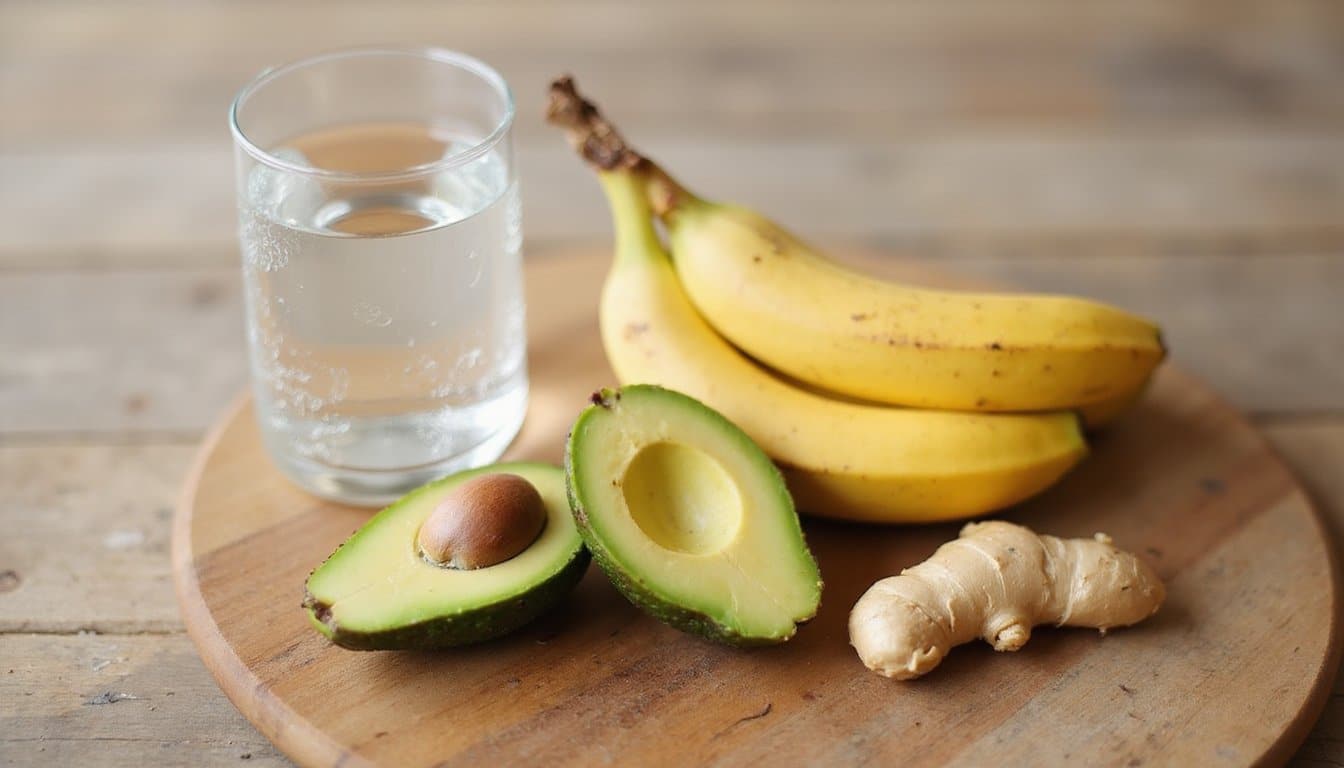
Restoring fluid and electrolyte balance addresses the dehydration axis of alcohol-related pain, but what you eat during recovery determines how effectively your body clears acetaldehyde, suppresses inflammatory cytokine activity, and rebuilds depleted nutrient stores that directly modulate pain signaling.
Bananas replenish potassium lost through alcohol-induced diuresis, relieving muscle cramps directly. Avocados deliver potassium, magnesium, and anti-inflammatory compounds that protect liver function and reduce cytokine-driven pain. Eggs provide cysteine, the amino acid your liver requires to neutralize acetaldehyde, the metabolite 30 times more toxic than ethanol itself. Ginger targets nausea and suppresses inflammatory prostaglandins contributing to body aches. Watermelon, over 90% water, rapidly rehydrates while its L-citrulline content improves blood flow and eases vascular headaches.
Prioritize these foods early in recovery to accelerate multi-pathway pain resolution.
OTC Pain Relief for Body Aches After Alcohol
When your body’s cycling through acetaldehyde toxicity, systemic inflammation, and electrolyte depletion simultaneously, you need a targeted recovery strategy that addresses each mechanism directly. The right OTC pain reliever can block prostaglandin E2-driven nociceptor sensitization, but it won’t correct the magnesium and potassium deficits fueling your muscle cramps and weakness. That’s why effective hangover pain management combines safe analgesic use with electrolyte-based rehydration and anti-inflammatory food support to cover the full spectrum of what’s actually driving your discomfort.
Safe OTC Pain Options
Although your body’s inflammatory cascade, acetaldehyde burden, and electrolyte disruption all demand attention after heavy drinking, over-the-counter pain relievers can provide targeted symptom relief, if you choose the right one for your situation and understand the specific risks each carries when alcohol is still clearing your system.
Consider these options carefully:
- Nonsteroidal anti-inflammatory drugs like ibuprofen reduce prostaglandin-driven pain but carry gastrointestinal bleeding risk post-alcohol
- Ibuprofen safety considerations include avoiding use if you have a kidney compromise or a history of stomach ulcers
- Naproxen dosing caution applies because its 8, 12 hour duration means prolonged renal exposure during dehydration
- Acetaminophen liver risk escalates substantially when your liver is already metabolizing acetaldehyde
- Warm compress therapy offers a drug-free alternative that increases local circulation and relieves muscle tension without systemic side effects
Electrolyte-Based Recovery Aids
The replenishment benefits are measurable: targeted electrolyte restoration alleviates cramping, reduces soreness, and improves hydration efficiency. Recommended OTC products include coconut water, Phizz Daily 3-in-1, and Himalayan salt-based formulations offering superior mineral profiles. Follow dosage and composition guidelines targeting 500, 1,000 mg sodium and 200, 400 mg potassium per serving. For optimal consumption timing, drink 8, 12 ounces immediately upon waking, then 4, 6 ounces hourly. Pre-drinking and bedtime consumption further buffer dehydration before deficits compound overnight.
Anti-Inflammatory Food Support
Because alcohol triggers systemic inflammation through LPS translocation, cytokine cascades, and prostaglandin E2-mediated nociceptor sensitization, dietary anti-inflammatory compounds offer a mechanistically sound approach to reducing body pain during recovery.
An anti-inflammatory diet targeting alcohol related headache and alcohol related cramps should prioritize these antioxidant-rich foods:
- Ginger, delivers potent ginger for nausea relief while suppressing pro-inflammatory cytokine production and calming gastric distress
- Salmon, supplies omega-3 fatty acids that directly counteract alcohol-induced inflammatory pathways and provide B6/B12 for metabolic recovery
- Avocados, replenish depleted magnesium and potassium critical for resolving muscle cramping and pain sensitization
- Oats, stabilize blood sugar while delivering B vitamins, zinc, and magnesium for enzymatic recovery
- Leafy greens, provide folate, magnesium, and vitamins A, C, K essential for hepatic detoxification support
Easy Movement and Stretches for Post-Alcohol Soreness
Light physical activity, walking, swimming, or cycling, triggers endorphin release that counteracts central sensitization. Apply heat therapy for stiffness in tight shoulders and lower back before stretching, and use a cold compress for inflammation on acutely swollen joints afterward. Dynamic warm-ups like leg swings prepare compromised muscles safely. Prioritize adequate sleep recovery alongside these movements, since restorative sleep accelerates cytokine clearance and tissue repair.
Breathing Techniques That Ease Pain After Drinking
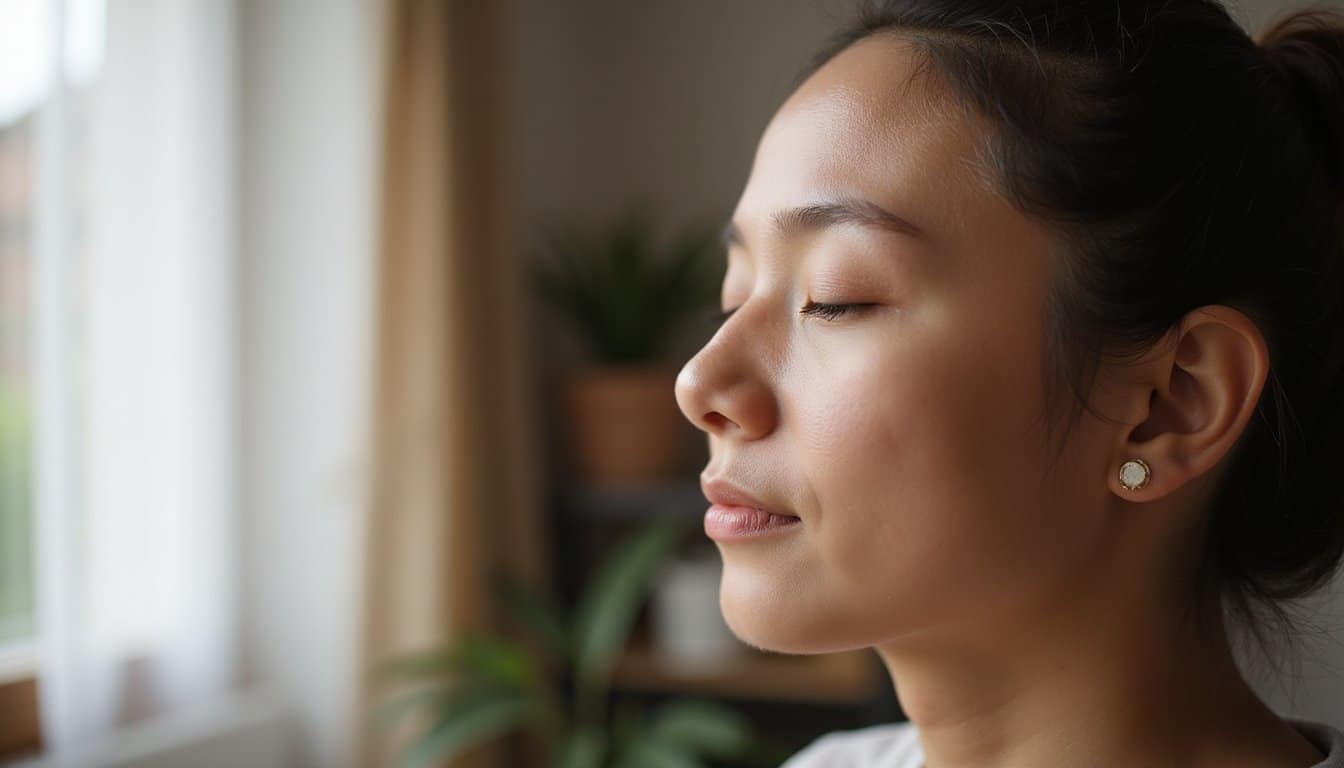
Central nervous system rebound after alcohol use disorder-pattern drinking heightens nociceptive sensitivity. These techniques counteract that hyperexcitability:
When alcohol withdrawal amplifies pain signaling, targeted breathwork techniques can calm the overstimulated nervous system and restore balance.
- Deep breathing with breath holds: five maximal inhales, exhale-hold on the fifth, three rounds to reduce inflammatory signaling
- Rapid in-out cleansing breath: two-minute cycles of quick nasal inhales and forceful mouth exhales to stimulate lymphatic drainage
- 4-square box breathing: four-count inhale, hold, exhale, hold cycles to downregulate sympathetic overdrive
- Diaphragmatic breathing: four-to-five-second belly-focused cycles promoting vasodilation and toxin clearance
- Extended slow expiration: longer exhale phases sustained for five minutes, directly modulating vagal tone and pain thresholds
Your Hour-by-Hour Recovery Plan After Alcohol
When you understand that alcohol recovery follows a predictable biological timeline rather than a vague “waiting it out” process, you can intervene at each stage with targeted strategies that accelerate resolution of specific symptoms.
During the first six hours, begin an oral rehydration solution to counteract ADH suppression and electrolyte depletion. At six to eight hours, take thiamine vitamin B1 and b complex vitamins to support depleted enzymatic cofactors essential for acetaldehyde clearance. By twelve hours, peak hangover, prioritize complex carbohydrate intake to stabilize blood glucose and reduce cortisol-driven weakness. NSAIDs address prostaglandin-mediated inflammation at this stage. At twenty-four hours, protein-rich meals provide amino acids necessary for hepatic enzyme replenishment and muscle tissue repair. Beyond twenty-four hours, persistent symptoms indicate compounding sleep debt, residual inflammation, or subclinical withdrawal requiring continued nutritional support.
Lifestyle Changes to Prevent Body Pain After Alcohol
Because the most effective intervention for alcohol-related body pain occurs before symptoms develop rather than after they’ve taken hold, shifting focus from reactive treatment to preventive lifestyle modification produces substantially better outcomes across every mechanism discussed above.
Preventing alcohol-related body pain through lifestyle changes works far better than treating symptoms after they appear.
Implement these evidence-based strategies consistently:
- Establish a preventive hydration strategy by alternating each alcoholic drink with water and consuming electrolytes before sleep.
- Practice hydration monitoring through urine color assessment, targeting pale yellow output throughout drinking occasions.
- Follow a gradual alcohol reduction plan that systematically lowers intake below symptom-triggering thresholds.
- Commit to avoiding further alcohol intake during active recovery periods to prevent compounding inflammatory cascades.
- Adopt a rest and recovery protocol prioritizing extended sleep, nutrient-dense meals, and antioxidant supplementation on drinking days.
These modifications address root mechanisms rather than masking downstream symptoms.
What to Do if Body Pain After Drinking Keeps Coming Back
Though the remedies and lifestyle strategies outlined above resolve alcohol-related body pain for most people after isolated episodes, recurring pain that returns predictably with each drinking occasion signals something fundamentally different: your body’s repair systems aren’t fully recovering between exposures, and each new drinking episode compounds unresolved damage from the last.
Persistent pain indicates overlapping pathology: chronic electrolyte depletion undermining muscle recovery mechanisms, sustained systemic inflammation response preventing tissue repair, progressive nutrient and vitamin deficiencies impairing enzymatic function, and circulation and metabolic dysfunction reducing oxygen delivery to damaged tissues. These aren’t temporary hangover symptoms, they’re markers of cumulative organ stress.
If body pain recurs despite adequate hydration, supplementation, and recovery time, consult a physician for bloodwork evaluating liver enzymes, magnesium, inflammatory markers, and creatine kinase levels. Recurring pain warrants professional evaluation, not repeated self-treatment.
Your Healthier Life Starts Now
Struggling with Alcohol addiction is something no one should face on their own. At The Villa Treatment Center, we offer compassionate Drug Addiction Treatment to help you break free and build a healthier life. Call (855) 591-6116 today and let us help you move forward toward a healthier, sober life.
Frequently Asked Questions
Does Mixing Different Types of Alcohol Make Body Pain Worse Afterward?
No, mixing different types of alcohol doesn’t inherently worsen your body pain afterward. Your hangover severity depends primarily on the total ethanol you consume, not the variety of drinks you mix. However, darker liquors like bourbon contain up to 37 times more congeners than vodka, and these fermentation byproducts amplify inflammatory cytokine release and acetaldehyde toxicity. You’ll also likely drink more when mixing, which increases overall ethanol exposure and pain intensity.
Why Does Alcohol Cause More Body Pain as You Get Older?
Your liver enzymes slow down with age, reducing your capacity to metabolize acetaldehyde, a toxin 30 times more harmful than ethanol itself. You’re also losing 3% to 8% of lean muscle mass per decade after 30, which concentrates alcohol in your bloodstream and limits water retention. Meanwhile, your baseline inflammatory markers rise with age, so alcohol’s cytokine surge compounds an already-elevated inflammatory state, exacerbating pain considerably.
Can Certain Genetic Factors Make You More Prone to Post-Alcohol Body Pain?
Yes, your genetics substantially influence how much pain you’ll experience after drinking. Variants in your ADH and ALDH genes affect how quickly you clear toxic acetaldehyde, while your COMT val158met polymorphism directly shapes your mu-opioid pain response, if you carry two met158 copies, you’ll perceive considerably more pain. Twin studies confirm genetics account for 50% of AUD variability and 25, 50% of chronic pain susceptibility, with dopamine (ANKK1) and opioid (OPRM1) polymorphisms conferring overlapping risk.
Does Drinking on an Empty Stomach Increase Body Aches the Next Day?
Yes, drinking on an empty stomach considerably worsens next-day body aches. Without food to slow gastric emptying, alcohol reaches your small intestine faster, spiking your blood alcohol concentration and accelerating acetaldehyde production beyond your liver’s processing capacity. This amplifies systemic inflammation, accelerates dehydration through intensified diuretic effects, and depletes electrolytes, particularly magnesium, more rapidly. You’ll experience heightened muscle pain, joint soreness, and generalized aching because every pain-driving mechanism operates at greater intensity.
How Long Does Alcohol-Related Body Pain Typically Last After Heavy Drinking?
Your alcohol-related body pain typically lasts 18 to 24 hours after heavy drinking, peaking once your blood alcohol concentration hits zero. Acetaldehyde accumulation, systemic inflammation (with IL-6 heightened up to 196% above baseline), and electrolyte depletion drive the timeline. In severe cases involving excessive consumption, pain and muscle aches can persist up to 72 hours as inflammatory cytokines and oxidative stress require extended clearance and tissue repair.