If you’re reacting to alcohol allergy, you can manage symptoms naturally by choosing low-histamine drinks like vodka or gin, staying hydrated between beverages, and eating before you drink to buffer absorption. Keeping a drinking diary helps you pinpoint your specific triggers, whether that’s sulfites, tannins, or histamines. However, if you’ve experienced throat swelling or breathing difficulty, complete avoidance is essential. Understanding the difference between a true allergy and intolerance will help you take the right next steps.
Why Alcohol Makes You Stuffy, Flushed, or Itchy
When your face flushes red after a single sip of wine or your nose clogs up before you’ve finished half a beer, your body isn’t overreacting, it’s communicating through precise biochemical signals that deserve your attention rather than dismissal.
These reactions stem from distinct mechanisms. Alcohol intolerance, driven by a genetic enzyme deficiency in ALDH2, causes the Asian flush reaction through acetaldehyde buildup. A true alcohol allergy triggers mast cell activation and hives via immune pathways. Histamine intolerance produces nasal congestion and flushing when fermented drinks overwhelm your DAO enzymes, while sulfite sensitivity provokes wheezing and respiratory distress. Even non-IgE-mediated hypersensitivity to tannins can cause skin reactions without classical immune involvement. Understanding which pathway drives your symptoms empowers you to respond effectively. One study found that 7.2% of individuals self-reported wine intolerance, with more women affected than men. Genuine alcohol allergies, where the immune system produces IgE antibodies against ethanol itself, affect less than 1% of the population, making them exceptionally rare compared to intolerance. Because there is currently no cure for an alcohol allergy, complete avoidance of alcohol remains the only reliable way to prevent potentially life-threatening reactions.
Alcohol Allergy vs. Intolerance: What’s the Difference?
Though the symptoms can look nearly identical on the surface, flushed skin, nausea, a racing pulse, alcohol allergy and alcohol intolerance arise from fundamentally different biological mechanisms, and distinguishing between them isn’t academic nitpicking but a matter of genuine medical significance.
Alcohol intolerance stems from ALDH2 deficiency, your body can’t efficiently clear acetaldehyde, causing toxic buildup. Alcohol allergy triggers an immunoglobulin E-mediated reaction, where your immune system attacks beverage components as threats.
Key differences you should recognize:
- Allergy produces urticaria, angioedema, and carries an anaphylaxis risk
- Intolerance causes characteristic facial flushing that resolves with abstinence
- Red wine allergy often involves sulfite preservatives or histamine, triggering diamine oxidase deficiency pathways
- Allergy can activate from one sip; intolerance worsens dose-dependently
- Only allergy requires emergency preparedness planning
Who’s Most at Risk for Alcohol Intolerance?
Sex and gender differences also matter, women metabolize alcohol differently, regardless of body weight, amplifying intolerance symptoms. Meanwhile, age-related vulnerabilities increase sensitivity in older adults, raising injury risks alongside discomfort. Men aren’t exempt; ADH polymorphisms alter metabolism speed across all backgrounds. Epigenetic changes can further shift your enzyme expression over time, meaning intolerance isn’t always static.
Red Wine, White Wine, and Other Common Triggers
If you’ve noticed that red wine triggers your symptoms more reliably than other drinks, you’re experiencing one of the most well-documented patterns in alcohol hypersensitivity. Red wine carries a uniquely concentrated combination of histamines from fermentation, sulfite preservatives at levels up to 200 parts per million, and tannins that can activate mast cells independently of your immune system’s IgE pathways. Understanding whether it’s the histamine, the sulfites, or another component driving your reaction gives you the power to make targeted choices rather than eliminating alcohol entirely through guesswork.
Red Wine Tops Triggers
Among all alcoholic beverages, red wine consistently ranks as the most frequent trigger for both allergy and intolerance reactions, and the reasons go well beyond personal preference or drinking habits.
Red wine’s prolonged fermentation and aging concentrate several reactive compounds that directly provoke your immune system:
- Histamines accumulate at higher levels than in any other alcoholic beverage, overwhelming your DAO enzyme capacity
- Tannins from grape skins trigger mast cell activation, releasing inflammatory mediators without requiring classical IgE-mediated pathways
- Proteins in grape skins drive both IgE-mediated and IgG-mediated immune reactions, confirmed through immunological testing
- Biogenic amines in full-bodied reds like Cabernet Sauvignon activate H1 and H2 histamine receptors simultaneously
- Roughly 8% of red wine consumers show documented red wine allergy responses via standardized testing
Understanding these mechanisms empowers you to make informed choices.
Sulfites and Histamines Role
Histamines in the fermentation process accumulate heavily in red wine, producing wine histamines that overwhelm your DAO enzyme capacity. Symptoms from histamine intolerance, facial flushing, migraines, rapid heartbeat, congestion, mirror sulfite reactions closely. Alcohol simultaneously increases gut permeability, accelerating histamine absorption into your bloodstream and intensifying every symptom you experience.
How to Reduce Alcohol Allergy Symptoms While Drinking
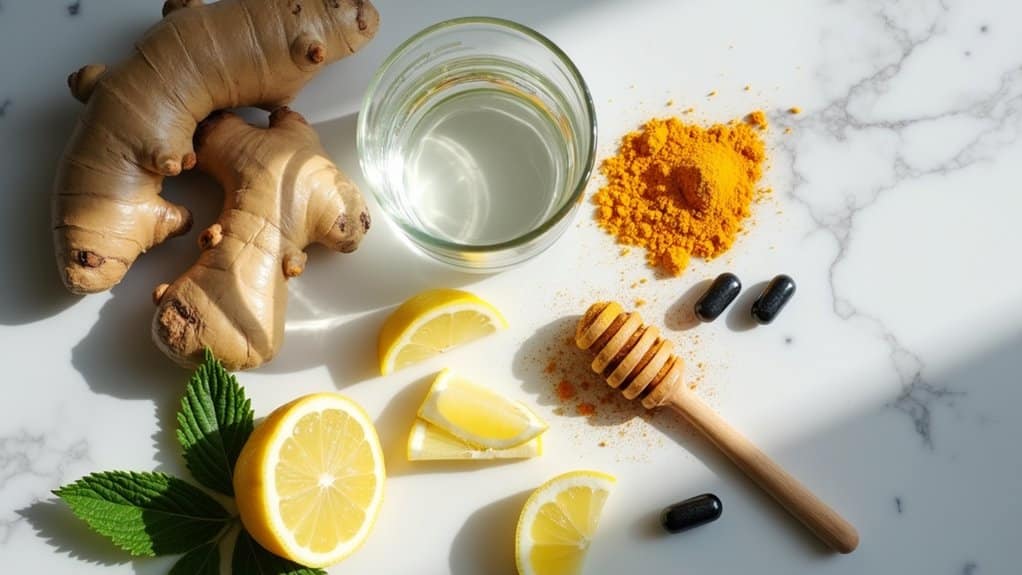
The most practical step you can take to reduce alcohol allergy symptoms starts with choosing what you drink. If you experience a headache after alcohol, nausea and vomiting, or skin rash after alcohol, your beverage choice matters. A beer allergy linked to barley allergy or hops sensitivity requires switching to clear spirits. Diarrhea after drinking and abdominal pain often improve with these adjustments:
- Choose low-histamine options like vodka, gin, or white wine over red wine and aged beer
- Drink water between each alcoholic beverage to regulate histamine levels
- Eat before drinking to slow absorption and buffer gastrointestinal discomfort
- Track your triggers in a drinking diary to identify specific problem beverages
- Avoid combining high-histamine foods like aged cheeses with fermented drinks
These strategies empower you to manage reactions proactively.
Can Antihistamines Help With Alcohol Intolerance?
Many people who flush, feel nauseous, or develop a rapid heartbeat after drinking reach for antihistamines hoping to shut down the reaction, but the relief they provide depends entirely on what’s actually driving your symptoms. If you’re reacting to a yeast allergy, grape allergy, or experiencing alcohol induced asthma, antihistamines h1 blockers like cetirizine or loratadine can meaningfully reduce histamine-mediated responses. Diphenhydramine works too, but carries significant sedation risks alongside alcohol.
However, if your symptoms stem from ALDH2 deficiency, the primary cause of alcohol intolerance, antihistamines won’t address the underlying acetaldehyde accumulation. Research shows limited, inconsistent evidence for flushing reduction alone. Masking this warning signal can lead you to drink more, increasing esophageal cancer risk and chronic urticaria trigger responses. You’re better served identifying your specific mechanism through proper testing rather than suppressing symptoms blindly.
When to See a Doctor About Alcohol Reactions
How do you know when your body’s reaction to alcohol has crossed from uncomfortable into genuinely dangerous? If you’ve experienced throat swelling, breathing difficulty, or a rapid blood pressure drop, you need emergency care and an epinephrine auto-injector prescription immediately.
Beyond emergencies, schedule a consulting allergist visit if you notice recurring symptoms. Request a thorough immunology evaluation, including:
If recurring symptoms follow drinking, don’t wait, book a consulting allergist visit and request a comprehensive immunology evaluation.
- An allergy testing panel covering grains, sulfites, and fining agents
- A serum specific IgE test for targeted allergen identification
- An oral food challenge conducted under medical supervision
- A gastroenterology assessment if cramping or diarrhea persists
- A personalized emergency action plan for future reactions
Track your symptoms, specific drinks consumed, and reaction timing before your appointment. This data empowers your provider to pinpoint triggers accurately and build a management strategy that protects you.
Preventing Alcohol Sensitivity From Getting Worse
If you’ve confirmed an alcohol sensitivity, reducing your overall alcohol exposure is one of the most effective steps you can take to prevent your reactions from intensifying over time, since chronic intake can further suppress DAO activity and increase cumulative acetaldehyde damage. You should also consider that epigenetic factors, including stress, diet, gut health, and environmental toxin exposure, can modify how your genes express the enzymes responsible for alcohol metabolism, meaning your sensitivity isn’t necessarily fixed but can worsen under the wrong conditions. Tracking these variables alongside your drinking patterns empowers you to intervene early, before subclinical changes escalate into more severe or permanent hypersensitivity responses.
Limit Chronic Alcohol Exposure
Because chronic alcohol exposure progressively damages the enzymatic and immune pathways your body relies on to process drinks safely, limiting how much and how often you drink isn’t just general health advice, it’s a direct strategy for preventing your sensitivity from worsening over time.
Your avoidance strategy should include:
- Reading alcohol labels carefully to identify sulfites, fining agents, and common allergens linked to food allergy cross-reactivity
- Choosing low-histamine beverages like white wine or clear spirits over red wine and aged beer
- Exploring sulfite-free wine and non alcoholic alternatives that bypass inflammatory triggers entirely
- Following an elimination diet protocol to pinpoint which specific compounds provoke your reactions
- Discussing mast cell stabilizers with your provider if symptoms persist despite dietary modifications
Reducing exposure preserves your body’s remaining tolerance capacity.
Monitor Epigenetic Risk Factors
While most people think of genetic risk as something fixed at birth, emerging research in epigenetics reveals that alcohol exposure actively rewrites how your genes behave, and these changes can deepen your sensitivity over time, even across generations. Chronic drinking alters DNA methylation patterns, increases repressive histone modifications like H3K9me2, and disrupts miRNA profiles governing inflammation and stress response. These shifts can amplify a disulfiram like reaction or worsen a niacin flush response by reprogramming CREB-regulated pathways.
You should pursue a skin prick test and differential diagnosis flushing evaluation to distinguish true allergy from epigenetic-driven intolerance. Treatments like cromolyn sodium or leukotriene receptor antagonists may help, but ruling out medication interaction reaction risks requires personalized medical guidance. Proactive monitoring prevents inherited epigenetic vulnerability from compounding your symptoms.
Your Healthier Life Starts Now
Struggling with Alcohol addiction is something no one should face on their own. At The Villa Treatment Center, we offer compassionate Drug Addiction Treatment to help you break free and build a healthier life. Call (855) 591-6116 today and let us help you move forward toward a healthier, sober life.
Frequently Asked Questions
Can Alcohol Intolerance Develop Suddenly After Years of Drinking Without Problems?
Yes, you can develop alcohol intolerance suddenly, even after years of drinking without issues. Your body’s ALDH2 enzyme activity can diminish over time due to aging, liver changes, or hormonal shifts, especially during perimenopause. Medications, gut health changes, and underlying conditions like autoimmune disorders can also trigger it unexpectedly. Don’t ignore these signals; they’re your body’s way of telling you something’s shifted. Getting proper diagnostic testing empowers you to respond wisely.
Does Mixing Different Types of Alcohol Worsen Allergy or Intolerance Symptoms?
Yes, mixing different types of alcohol can intensify your symptoms because you’re exposing your body to a wider range of triggers simultaneously, histamines, sulfites, tannins, and various grain proteins all in one sitting. Each beverage carries its own reactive compounds, and combining them overwhelms your body’s detoxification enzymes faster. You’ll identify your specific triggers more effectively by consuming single beverages in isolation and tracking your reactions carefully in a symptom journal.
Are There Genetic Tests Available to Check for Alcohol Intolerance at Home?
Yes, you can order at-home DNA test kits that analyze your ALDH2, ADH1B, and ADH1C gene variants using a simple mouth swab. These kits cost around $149 and deliver results within weeks. However, you’ll want to verify the company tests actual genetic markers, not just IgG reactions, which won’t detect true enzymatic deficiency. If you’re already experiencing telltale symptoms like facial flushing and rapid heartbeat, consult your doctor for personalized guidance alongside testing.
Can Alcohol Intolerance Increase Your Risk of Developing Cancer Over Time?
Yes, alcohol intolerance can indirectly affect your cancer risk. If you carry the ALDH2 deficiency variant and continue drinking despite symptoms, acetaldehyde, a Group 1 carcinogen, accumulates at 5 to 10 times normal levels, increasing your esophageal cancer risk 6 to 12 fold. However, if your intolerance naturally reduces your consumption, you’ll likely experience a 13, 31% lower overall cancer risk. Listen to your body’s signals, they’re genuinely protective.
Do Probiotics or Gut Health Supplements Help Reduce Alcohol Intolerance Symptoms Naturally?
Probiotics show promising potential for supporting your body’s response to alcohol. Strains like *Lactobacillus rhamnosus* GG and *Bifidobacterium breve* can strengthen your intestinal barrier, reduce systemic inflammation, and restore gut microbiota balance that alcohol disrupts. However, most current research focuses on alcohol-related liver damage rather than intolerance symptoms specifically. You’ll want to pair probiotic supplementation with proper diagnosis of your specific intolerance mechanism, whether it’s ALDH2 deficiency, histamine sensitivity, or another pathway.