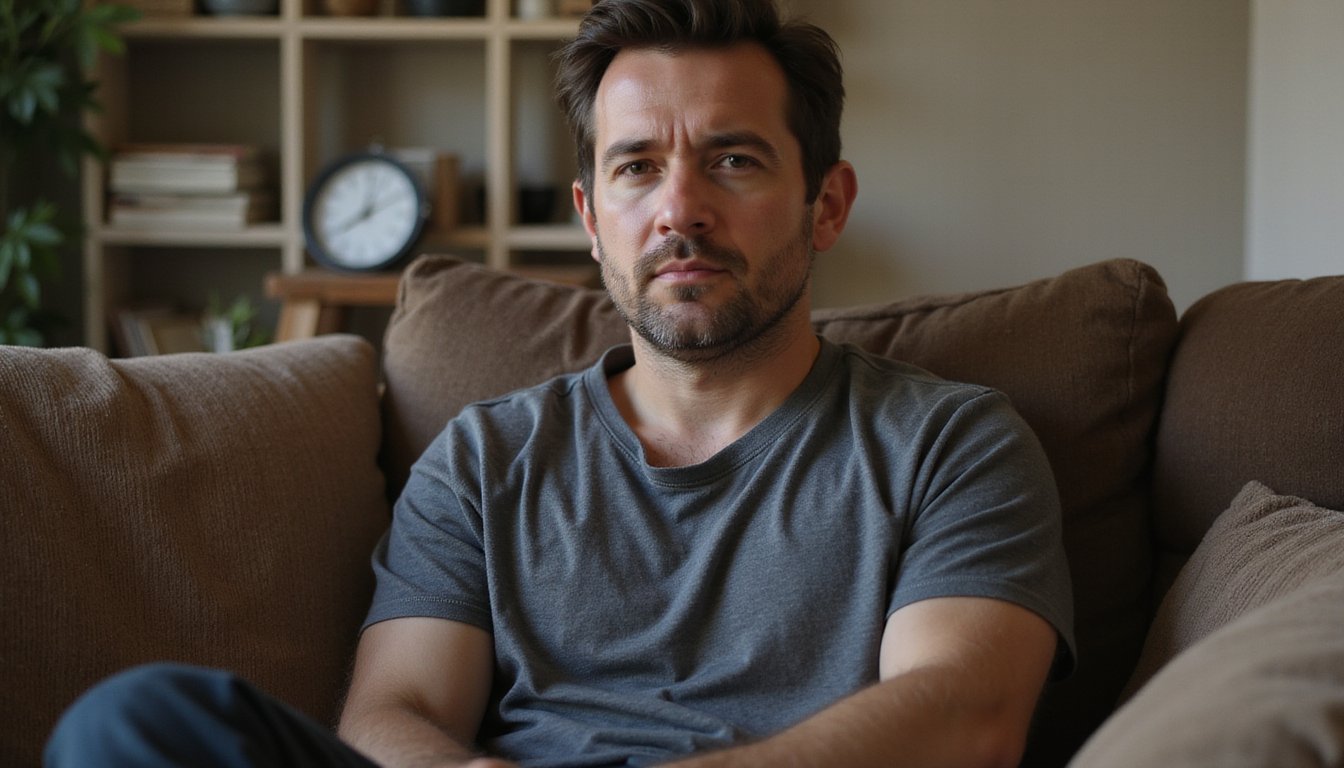
A trigger is something that makes an individual want to do an activity, usually harmful. Triggers are different for different people. An individual who smokes or has recently quit smoking might have triggers such as drinking coffee, socialising, being in a stressful situation, or smelling cigarette smoke.
Types of Triggers
Knowing what triggers affect an individual is their best defense against them. There are four types of triggers:
Emotional
An emotional trigger reminds the individual of how they felt when they used smoking to better a good mood like feeling excited, happy and satisfied, or escape a bad mood, such as when they were anxious, stressed, bored or unhappy. It is very common for people to smoke when they feel intense emotions.
There are ways to deal with emotional triggers. Talking about one’s emotions with family and friends can help. Take deep, slow breaths to quiet the body and mind and reduce cravings. Exercising is another great way to blow off some steam and increase endorphins which make one feel good without without external aids. Calming music is known to have a relaxing effect and can lower blood pressure .
Pattern
An activity that the individual connects with smoking is defined as a pattern trigger. These could be things like drinking coffee or alcohol, finishing a meal, taking a work break, driving or talking on the phone.
The way to deal with a pattern trigger is to sever the association of smoking with the trigger and transfer it to another activity. A replacement activity might be chewing gum. The individual could also try keeping their hands busy by squeezing a handball for example. If the trigger is drinking coffee or finishing a meal, one could change the usual times for doing those things, thus attempting to break the trigger.
Social
When an individual is around other people who smoke, that’s a social trigger. Some examples are going to a bar or a party. Attending a concert. Celebrating a big event. Or even just seeing someone else smoke.
These might be the hardest triggers to break, because it involves the individual staying away from socializing with friends and avoiding places they used to go to. Here the individual must tell their friends and family that they have quit smoking, and ask any smokers to refrain from smoking around them.
Withdrawal
The bodies of long time smokers are used to getting regular doses of nicotine. So when the individual quits smoking, they will experience withdrawal symptoms where they crave the nicotine. Some withdrawal triggers can be smelling cigarette smoke, craving a cigarette, handling lighters or matches and needing to keep one’s hands busy.
Individuals must learn to distract themselves and find something to take their minds off of the cravings. Nicotine replacement medication might work here.
If you are looking for ways to quit smoking, contact The Villa. We can guide you to the right option for you to start your journey as a non smoker.