You can overcome alcohol cravings by targeting the brain’s hijacked reward system through proven strategies. Medications like naltrexone block alcohol’s pleasurable effects, while cognitive behavioral therapy helps you identify triggers and build coping skills. Mindfulness techniques such as urge surfing defuse cravings in real time. Pairing these with a strong support system, accountability partners and recovery groups, significantly boosts long-term abstinence. Each approach works best when matched to your specific recovery stage, which we’ll break down below.
Why Your Brain Keeps Craving Alcohol
Why does the urge to drink feel so automatic, so beyond the reach of reason? It’s because alcohol hijacks your brain’s dopamine reward system. Each drink activates the nucleus accumbens, reinforcing a conditioned response that bypasses conscious choice. Over time, your amygdala and hippocampus encode drinking cues, places, emotions, routines, creating cue-induced cravings that fire before you’re even aware. Meanwhile, glutamate pathways linking the prefrontal cortex to the basal ganglia shift control toward compulsive habit loops, producing executive function impairment when you need rational override most. This vulnerability is especially dangerous for adolescents, whose prefrontal regions are not fully developed, making them far more susceptible to entrenched drinking patterns.
This reward pathway dysregulation means your brain now prioritizes alcohol-seeking above competing goals. Research has shown that a signaling molecule called a dimer links dopamine and adenosine pathways in the nucleus accumbens, making neurons hypersensitive to alcohol and amplifying the drive to drink. Recovery requires deliberate habit loop disruption and conditioned response extinction, systematically weakening those learned associations so your prefrontal cortex can regain authority over the impulse to drink.
Medications That Reduce Alcohol Cravings Fast
Several FDA-approved and off-label medications can reduce alcohol cravings within days to weeks by targeting the same neurochemical systems that drive compulsive drinking. Naltrexone blocks opioid receptors, blunting alcohol’s rewarding effects and halving your chances of relapsing to heavy drinking. Acamprosate stabilizes glutamate levels, reducing background craving intensity during alcohol detox and cravings in early recovery. Topiramate reverses brain changes from chronic use, while gabapentin balances glutamate and improves sleep, both critical for relapse prevention plan success.
Disulfiram works differently, creating aversion rather than reducing cravings directly, and requires supervised use. Ondansetron also shows promise specifically for early onset alcoholics, offering a targeted option for those who began drinking at a younger age. Your prescriber may use a craving intensity scale to track your response and adjust your medication-assisted treatment accordingly. These medications aren’t substitutes for behavioral strategies, they’re tools that make alcohol cravings management neurologically possible.
Behavioral Therapies That Defuse Alcohol Cravings

Although medications can blunt the neurochemical force behind a craving, they don’t teach your brain new ways to ponder when triggers hit, and that’s exactly where behavioral therapies fill the gap. Cognitive behavioral therapy builds core coping skills training through trigger identification, cognitive restructuring, and craving diary tracking, achieving 73.3% abstinence rates in digital formats. Mindfulness based relapse prevention incorporates the urge surfing technique to observe cravings without reacting.
Three evidence-backed approaches to examine:
- Tailored CBT paired with motivational interviewing sustains drinking reductions up to 21 months post-treatment.
- Cue exposure therapy weakens conditioned responses through structured extinction learning over 8, 12 sessions.
- Dialectical behavior therapy targets emotional vulnerability, driving craving episodes through distress tolerance skills.
Each method strengthens prefrontal regulation that cravings systematically undermine.
Treatment Programs That Match Your Recovery Stage
Because recovery isn’t a single event but a process that unfolds in distinct psychological stages, the treatment program that works for you at one point may be completely wrong for another. The DSM 5 criteria for alcohol use disorder guide clinicians in matching intensity to need. During pre-contemplation, motivational interviewing addresses denial. In preparation, you’ll develop action plans and access intensive outpatient programming.
The action stage often requires medically assisted detoxification to manage alcohol withdrawal symptoms safely, alongside behavioral interventions like CBT and EMDR for trauma-driven substance abuse and mental health services administration-recognized conditions. You’ll build impulse control strategies and emotional regulation skills through individual counseling.
Maintenance demands sobriety maintenance tools, relapse prevention, aftercare programs, and medications targeting stress-induced cravings. The National Institute on Alcohol Abuse and Alcoholism recommends sustained support matching each evolving stage.
Build a Support System That Keeps Cravings Away

Even the most well-matched treatment program loses effectiveness if you return each day to an environment with no recovery infrastructure around you. Research shows mutual-help groups like Alcoholics Anonymous achieve 49% abstinence at eight-year follow-up, and twelve-step facilitation sustains 36% abstinence at three years, outperforming CBT and MET. Peer support interventions further reduce healthcare use while reinforcing coping strategies and lifestyle changes.
Build your social network around these three pillars:
- An accountability partner who understands your triggers and checks in consistently during high-risk periods.
- Recovery support groups attended in person, which yield twice the abstinence rates of online-only participation at six months.
- Active group involvement, volunteering, sponsoring, attending regularly, which strengthens relapse prevention through sustained social engagement and role modeling.
Your Healthier Life Starts Now
Struggling with Alcohol addiction is something no one should face on their own. At The Villa Treatment Center, we offer compassionate Drug Addiction Treatment to help you break free and build a healthier life. Call (855) 591-6116 today and let us help you move forward toward a healthier, sober life.
Frequently Asked Questions
Can Specific Foods or Supplements Help Reduce Alcohol Cravings Naturally?
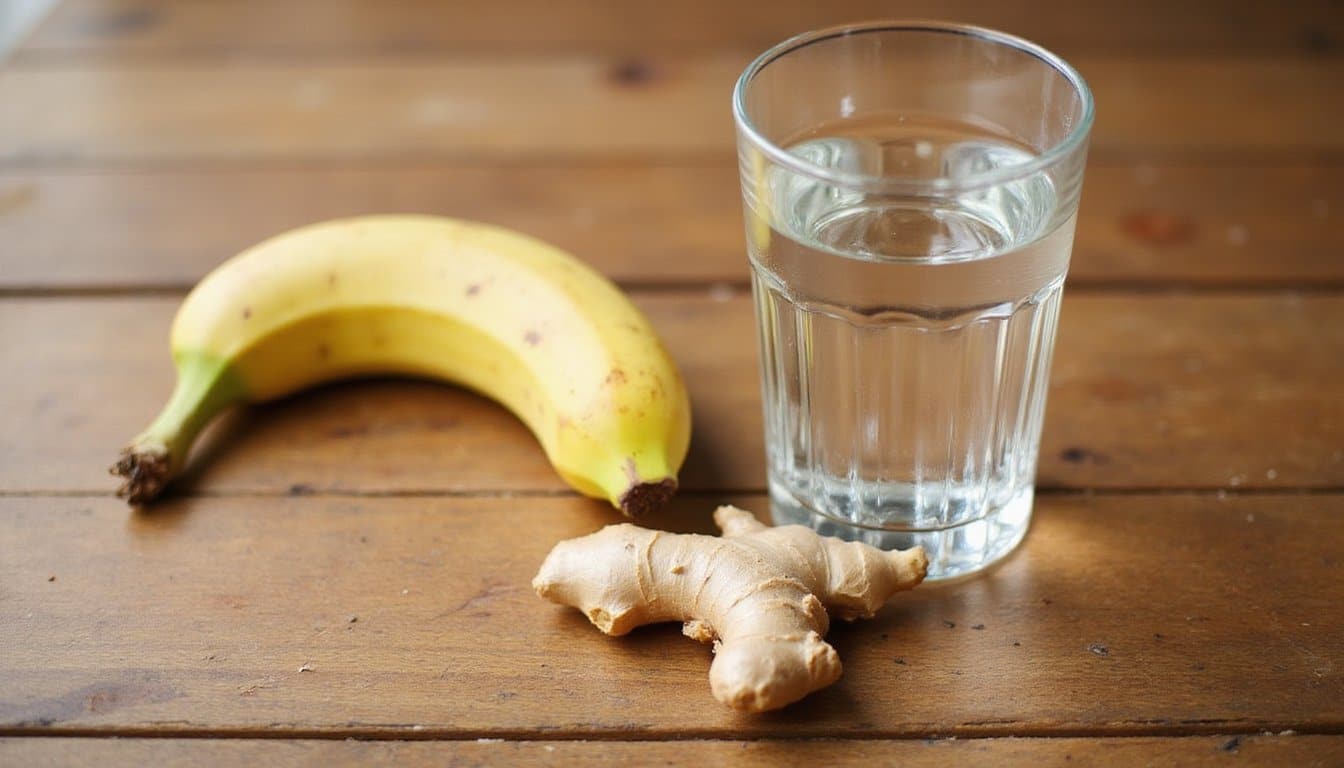
Yes, certain foods and supplements can measurably reduce your cravings. L-glutamine at 500mg twice daily has been shown to lower alcohol cravings by 22% in early recovery. Eating protein-rich meals every 3, 4 hours stabilizes blood sugar, which directly affects craving intensity. Vitamin B6-rich foods like bananas, chickpeas, and avocados support serotonin production, while omega-3 sources like salmon reduce neuroinflammation. You’ll also want to replenish magnesium and thiamine, which chronic drinking depletes.
How Long Does It Typically Take for Alcohol Cravings to Stop Completely?
Acute spike cravings hit hardest in the first 2 to 4 weeks, then moderate considerably by 90 days as your brain restores receptor density. By 6 to 12 months, you’ll likely notice cravings becoming episodic rather than persistent. Long-term studies show that after 4 to 5 years of abstinence, craving frequency often becomes indistinguishable from non-dependent individuals. Your brain genuinely heals, it’s a slow, measurable process that behavioral and pharmacological strategies can accelerate.
Does Exercise Actually Help Reduce the Urge to Drink Alcohol?
Yes, exercise directly reduces alcohol cravings through measurable biological mechanisms. Even a five-minute circuit of squats, jumping jacks, and push-ups can markedly lower your urge to drink while improving your mood. Aerobic exercise boosts BDNF, which helps restore your prefrontal cortex’s ability to override craving signals, and triggers FGF21, a hormone that actively suppresses alcohol cravings. A 12-week aerobic program reduced cue-induced craving scores by 29% in alcohol-dependent participants.
When Do Alcohol Cravings Become a Medical Emergency Requiring Professional Help?
Cravings cross into a medical emergency when you experience tremors, severe sweating, heart rate above 100 bpm at rest, confusion, hallucinations, fever, or seizures, these signal active withdrawal, not just craving. If your last drink was within 24 to 72 hours and you’ve been drinking heavily, you’re at risk for delirium tremens, which carries a 20% mortality rate without treatment. Don’t try to cope alone, contact emergency services immediately.
What Is the Sinclair Method and How Effective Is It?
The Sinclair Method involves taking naltrexone approximately one hour before drinking, blocking mu-opioid receptors so alcohol doesn’t produce its usual pleasurable reinforcement. Over repeated sessions, your brain gradually unlearns the alcohol-reward association through pharmacological extinction. Long-term Finnish studies show a 78% significant reduction in drinking among adherents. You don’t need to stop drinking immediately, instead, the method systematically weakens cravings by removing the neurochemical payoff that sustains them.