Shoulders ache when you drink alcohol, because it oxidative metabolites trigger a systemic proinflammatory cascade, elevating TNF-α and IL-6 levels, that directly targets your shoulder’s muscular and connective tissue. Simultaneously, alcohol suppresses vasopressin, rapidly depleting electrolytes and dehydrating muscle fibers, which causes cramping and stiffness in the deltoid and rotator cuff. Acetaldehyde accumulation further irritates peripheral nerve pathways, amplifying pain signals. These overlapping mechanisms explain why your shoulders ache after drinking, and understanding each one reveals exactly how to stop it.
Can Alcohol Really Cause Shoulder Pain?
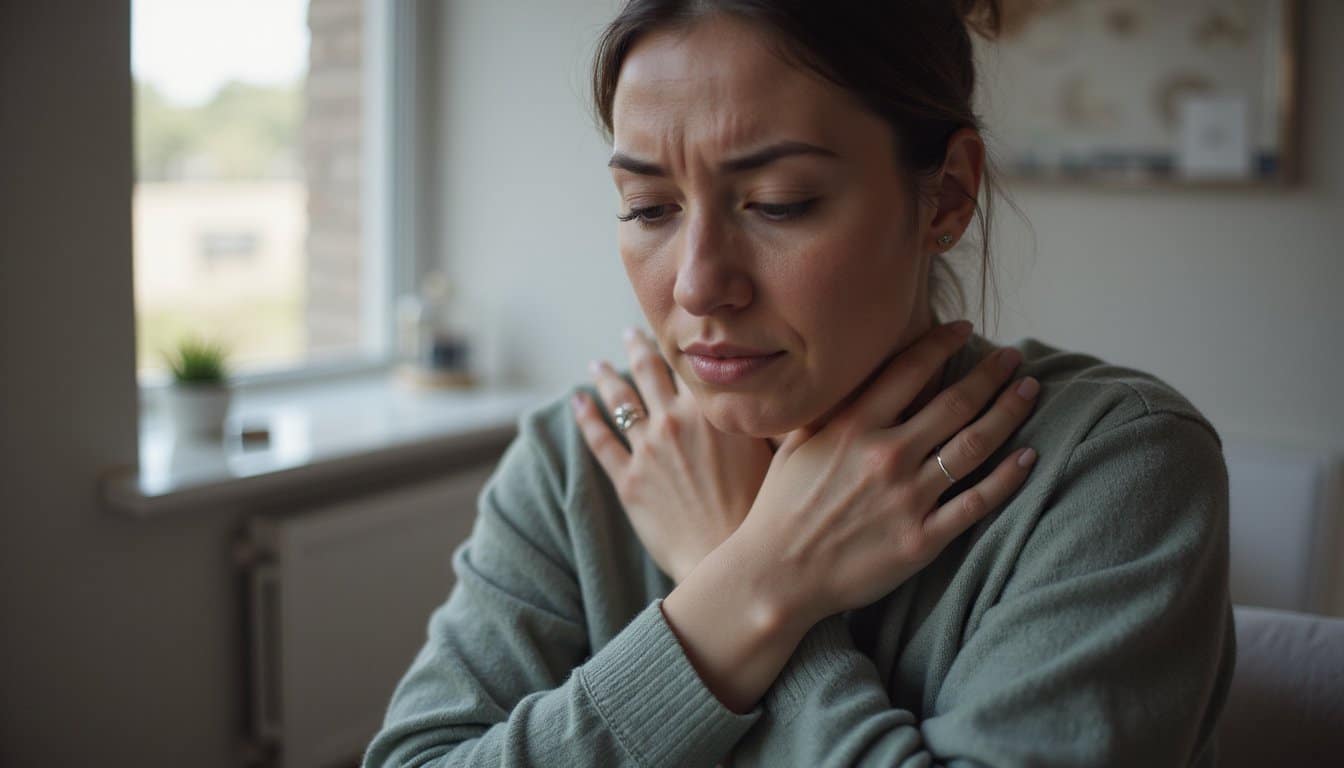
How directly can alcohol trigger shoulder pain without any underlying organ pathology? Evidence confirms alcohol activates spinal cord immune cells, producing inflammation and allodynia in musculoskeletal tissue, meaning shoulder pain after drinking alcohol doesn’t require organ disease. Acute consumption causes intense vasocongestion, generating capsular stretch and muscle pain through direct tissue mechanisms. Dehydration and electrolyte imbalance from alcohol’s diuretic effects further compromise musculoskeletal function.
Sleep disruption compounds the problem. Alcohol fragments restorative sleep stages, impairing your body’s natural pain regulation and amplifying pain sensitivity. Research among hospital employees found that musculoskeletal pain, particularly in the neck, shoulders, and lower back, was prevalent and associated with burnout and alcohol use patterns. During alcohol withdrawal syndrome, approximately half of non-dependent drinkers develop heightened pain responses. For those with alcohol use disorder, this creates a reinforcing cycle: drinking temporarily masks pain while progressively worsening the underlying pathology driving it. Alcohol can also reduce the effectiveness of anti-inflammatory medications, further hindering the body’s ability to manage shoulder pain.
Long-term alcohol use can also cause alcoholic neuropathy, damaging peripheral nerves and intensifying pain signals that radiate through the shoulders and upper extremities.
How Drinking Triggers Inflammation in Your Shoulders
Alcohol breaks down into acetaldehyde and reactive oxygen species through hepatic and extrahepatic metabolism, and these oxidative metabolites don’t stay confined to the liver, they circulate systemically and drive a proinflammatory cascade directly within skeletal muscle tissue, particularly the proximal muscles of the shoulder girdle. This alcohol induced myalgia stems from heightened TNF-α and IL-6 expression, triggering cytokine release that sustains chronic inflammation and shoulder pain.
| Condition | Mechanism | Clinical Feature |
|---|---|---|
| Myalgia | Oxidative stress + cytokine release | Diffuse muscle soreness after drinking |
| Myositis | TNF-α/IL-6, driven inflammation | Proximal shoulder girdle weakness |
| Rhabdomyolysis | Acute myofiber necrosis | Severe pain, elevated creatine kinase |
Chronic consumption also amplifies TGF-β and myostatin, inhibiting protein synthesis while promoting fibrosis, compounding progressive shoulder girdle dysfunction beyond simple muscle soreness after drinking.
Why Alcohol Leaves Your Shoulders Dehydrated and Aching

Beyond the inflammatory cytokine cascade that TNF-α and IL-6 drive through your shoulder girdle, a parallel mechanism strips fluid directly from the same tissues, and it starts the moment ethanol hits your hypothalamus.
Alcohol suppresses vasopressin, forcing your kidneys to excrete up to four times the ingested fluid volume. This rapid dehydration depletes plasma volume, starving shoulder muscles of oxygen while electrolyte depletion, sodium, potassium, magnesium, triggers muscle cramps and spasms in your upper body musculature. Simultaneously, vasodilation increases skin blood flow, accelerating fluid loss through sweating.
Your liver converts ethanol into acetaldehyde, whose toxicity damages muscle tissue and sensitizes pain receptors. This acetaldehyde accumulation compounds dehydration-driven muscle soreness while irritating phrenic nerve pathways, amplifying referred shoulder pain. The result: nerve irritation and structural fluid deficits converge on already-inflamed shoulder tissues.
The Link Between Alcohol, Muscle Tension, and Shoulder Stiffness
- Cortisol-driven tension increases shoulder muscle guarding, often radiating into tension headache patterns along the trapezius
- Inflammatory response amplifies myofascial trigger point sensitivity throughout the deltoid and rotator cuff
- Impaired thermoregulation causes vasoconstriction-induced stiffness in shoulder musculature during sleep
- Alcohol intolerance symptoms accelerate oxygen deprivation to shoulder tissue, extending recovery time for alcohol related muscle pain substantially
Alcoholic Myopathy: When Drinking Destroys Shoulder Muscle

When ethanol exposure crosses from inflammatory irritation into direct muscle fiber destruction, the resulting condition, alcoholic myopathy, becomes one of the most underdiagnosed causes of shoulder deterioration in chronic and binge drinkers alike. Acetaldehyde, ethanol’s primary metabolite, directly disrupts myosin heavy chain and troponin-T expression in your deltoid muscle and trapezius muscle fibers, producing proximal weakness and visible atrophy over weeks to months.
Acute binge episodes trigger rhabdomyolysis chiefly in your shoulder girdle, elevating creatine kinase and myoglobin to nephrotoxic levels. Simultaneously, alcohol’s central nervous system effects, enhancing gamma aminobutyric acid inhibition while suppressing NMDA receptor activity, blunt the inflammatory response necessary for muscle regeneration. Chronic exposure compounds cervical spine strain from progressive shoulder girdle wasting, while migraine-like referred pain patterns obscure the myopathic origin. Abstinence remains the primary intervention.
Does Alcohol Raise Your Risk of a Rotator Cuff Tear?
- Excessive drinkers show heightened tear risk: men OR=1.7, women OR=1.9, independent of age or BMI
- Wine ethanol correlates most strongly with both tear occurrence and massive tear severity
- Prolonged drinking duration (31, 35 years in cases vs. 26, 29 in controls) compounds tendon vulnerability through impaired capillary microcirculation, paralleling vascular damage seen in liver cirrhosis and hypertension
- Massive tears associate with highest intake, suggesting inflammatory cytokine activation and hypoglycemia-driven tissue fragility accelerate tendon degeneration beyond what histamine intolerance, mast cell activation, alcoholic neuropathy, or acute pancreatitis produce independently
How to Relieve Shoulder Pain Caused by Alcohol
If your shoulders ache after drinking, you’ll need to address both the immediate tissue-level effects and the underlying habits driving the pain cycle. Rehydrating with electrolyte-rich fluids counteracts alcohol’s diuretic suppression of antidiuretic hormone, which depletes the synovial fluid and periarticular tissues that cushion your shoulder joints. Gradually reducing your alcohol intake while incorporating targeted stretching and strengthening exercises for the rotator cuff and periscapular muscles will lower systemic inflammation and restore the structural resilience your shoulders need to stop signaling distress.
Rehydrate And Replenish Electrolytes
Nearly every mechanism driving alcohol-related shoulder pain, hepatic capsular distension, peripancreatic inflammation, splenic congestion, and direct myotoxicity, worsens under the dehydration and electrolyte depletion that alcohol reliably produces. Electrolyte depletion symptoms, including dehydration related muscle cramps and shoulder stiffness, intensify after an alcohol binge episode effects compound overnight.
- Drink 8, 12 ounces of water per alcoholic beverage to counteract ethanol’s diuretic action and reduce capsular organ congestion.
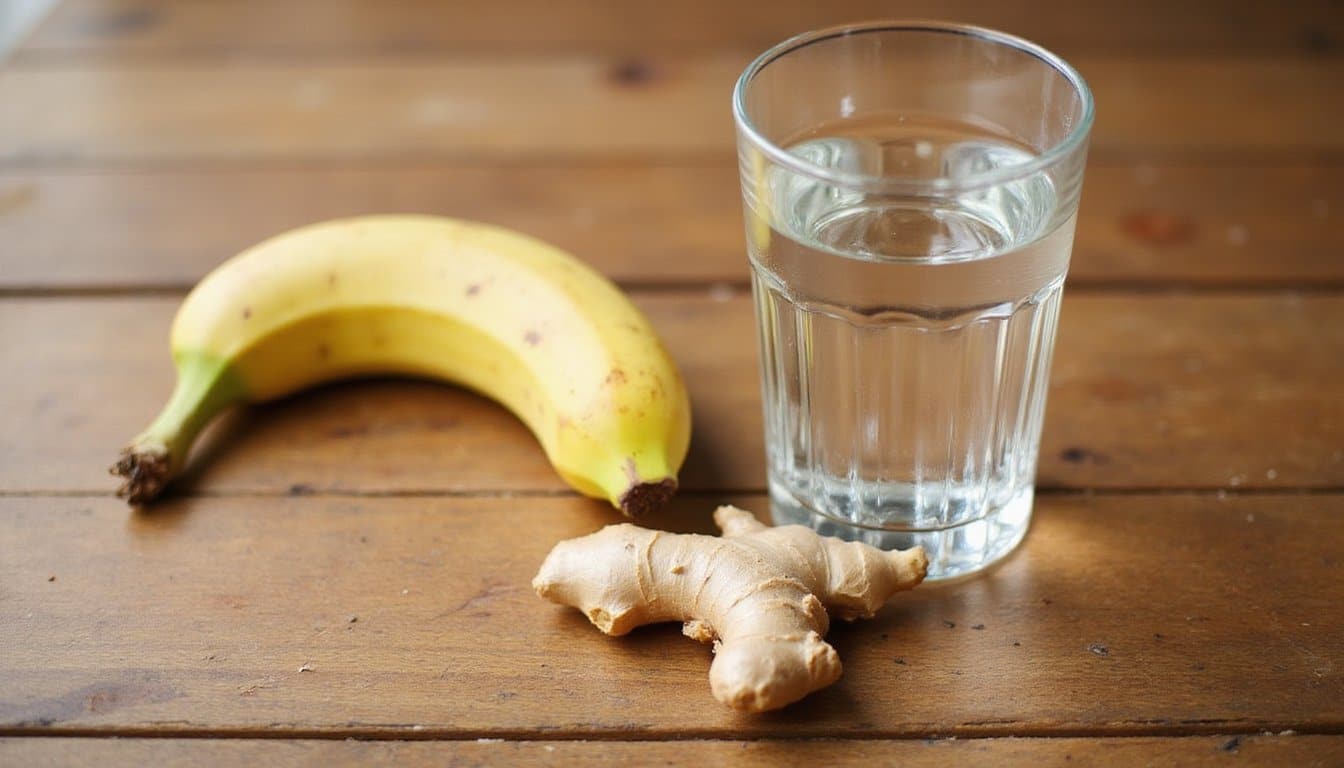
- Restore sodium and potassium through bananas, oranges, or oral rehydration solutions containing 75, 100 mmol/L sodium for rapid intestinal absorption.
- Use sports drinks with 500, 700 mg sodium per liter post-drinking to prevent electrolyte replenishment gaps that trigger spasms.
- Supplement 300, 400 mg magnesium daily to correct depleted magnesium levels driving persistent muscle dysfunction.
Reduce Alcohol Intake Gradually
Because every organ-level mechanism behind alcohol-related shoulder pain, hepatic capsular stretch from steatosis, biliary cholesterol supersaturation, pancreatic ductal inflammation, and splenic congestion from portal hypertension, scales directly with the volume and chronicity of ethanol exposure, reducing intake is the most physiologically direct intervention for resolving the referred pain cycle, but abrupt cessation in dependent drinkers risks withdrawal seizures, autonomic instability, and delirium tremens, making a structured taper under medical guidance the safest approach.
| Daily Intake Level | Taper Strategy | Timeline |
|---|---|---|
| Under 20 drinks | Reduce by 2 drinks daily | 5, 10 days |
| Over 20 drinks | Day 1: 1 drink/hour (16 total) | 7+ days |
| Withdrawal history | Medical detox required | Physician-directed |
| Stabilization phase | Hold steady 1 week before cutting | Weekly reassessment |
| Maintenance | 5, 10% weekly reduction | Ongoing monitoring |
The National Institute on Alcohol Abuse and Alcoholism and World Health Organization both recommend medical consultation before tapering. You should track dehydration shoulder cramps, alcohol related nerve pain symptoms, and alcohol intolerance muscle symptoms daily. Substituting spirits with lower-alcohol beverages reduces risks of using alcohol with muscle strain while managing hangover muscle aches. Monitor alcohol and sleep quality muscle stiffness throughout your taper.
Stretch And Strengthen Muscles
While reducing alcohol intake addresses the visceral origins of referred shoulder pain, the musculoskeletal structures receiving those aberrant nociceptive signals, the rotator cuff complex, periscapular stabilizers, upper trapezius, and levator scapulae, develop their own secondary dysfunction through sustained protective guarding, myofascial trigger point formation, and disuse-related contracture that persists even after the visceral irritant resolves.
Preventing muscle aches after alcohol requires targeting both alcohol and muscle pain shoulders through structured rehabilitation:
- Pendulum stretches, swing the affected arm in one-foot circles, 10 revolutions each direction daily, counteract poor sleep posture strain and sleep disruption muscle stiffness.
- Shoulder blade retraction, pinch scapulae toward midline, hold 3 seconds, 20 repetitions, corrects upper back ache after alcohol.
- Outward rotation with resistance bands at 90-degree elbow flexion strengthens rotator cuff integrity.
- Magnesium supplementation addresses reduced magnesium levels driving alcohol induced electrolyte imbalance cramps, and restoring shoulder pain after drinking thresholds.
Your Healthier Life Starts Now
Struggling with Alcohol addiction is something no one should face on their own. At The Villa Treatment Center, we offer compassionate Drug Addiction Treatment to help you break free and build a healthier life. Call (855) 591-6116 today and let us help you move forward toward a healthier, sober life.
Frequently Asked Questions
Can Shoulder Pain After Drinking Indicate a Serious Liver Problem?
Yes, right shoulder pain after drinking can indicate a serious liver problem. When alcohol inflames your liver, the swelling stretches Glisson’s capsule, activating nociceptors that send referred pain signals through your phrenic nerve (C3, C5) to your right shoulder. This pattern occurs in approximately 90% of heavy drinkers who’ve developed steatosis. If you’re consistently experiencing right shoulder pain after drinking, you shouldn’t ignore it, it warrants prompt medical evaluation for underlying hepatic pathology.
Why Does Only My Right Shoulder Hurt After Drinking Alcohol?
Your right shoulder hurts specifically because alcohol-induced hepatic inflammation stretches Glisson’s capsule, the liver’s fibrous covering rich in nociceptors. This triggers referred pain through your phrenic nerve (C3, C5), which shares dermatomal representation with your right shoulder’s supraclavicular nerves. Gallbladder irritation from alcohol-altered bile composition uses this same pathway. Since both organs sit on your right side, they exclusively produce right-sided shoulder pain rather than bilateral discomfort.
Should I See a Doctor for Shoulder Pain After Every Drinking Session?
Yes, you should see a doctor. Recurrent shoulder pain after every drinking session suggests an underlying pathology, whether it’s hepatic capsular distension, chronic pancreatitis, rotator cuff degeneration, or rarely, Hodgkin’s lymphoma causing alcohol-induced vasocongestion in neoplastic tissue. Your doctor can differentiate these through targeted evaluation: serum lipase, liver function tests, chest X-ray, or shoulder imaging. Don’t dismiss a consistent pattern, it’s your body signaling a problem that warrants clinical investigation.
Does Left Shoulder Pain After Drinking Signal a Pancreas or Spleen Issue?
Left shoulder pain after drinking rarely signals a pancreas or spleen issue directly. Pancreatitis typically produces epigastric pain radiating to your back, not isolated shoulder pain post-alcohol. Splenomegaly can cause left shoulder referred pain through phrenic nerve irritation, but it lacks alcohol-trigger specificity. You’re more likely experiencing referred pain from hepatic or biliary sources, or in rarer cases, alcohol-induced vasocongestion in lymphoid tissue linked to conditions like Hodgkin’s lymphoma.
How Long Does Alcohol-Related Referred Shoulder Pain Typically Last?
If your shoulder pain stems from acute visceral referred pain, like hepatic capsular distension or biliary colic, it typically peaks within 15, 30 minutes and resolves within 20 minutes to 5 hours, depending on the source organ. Acute alcoholic myopathy resolves within days to 2 weeks of abstinence, while chronic myopathy requires 2, 12 months. Malignancy-related pain, such as Hodgkin’s lymphoma, persists until you’ve addressed the underlying disease through treatment.