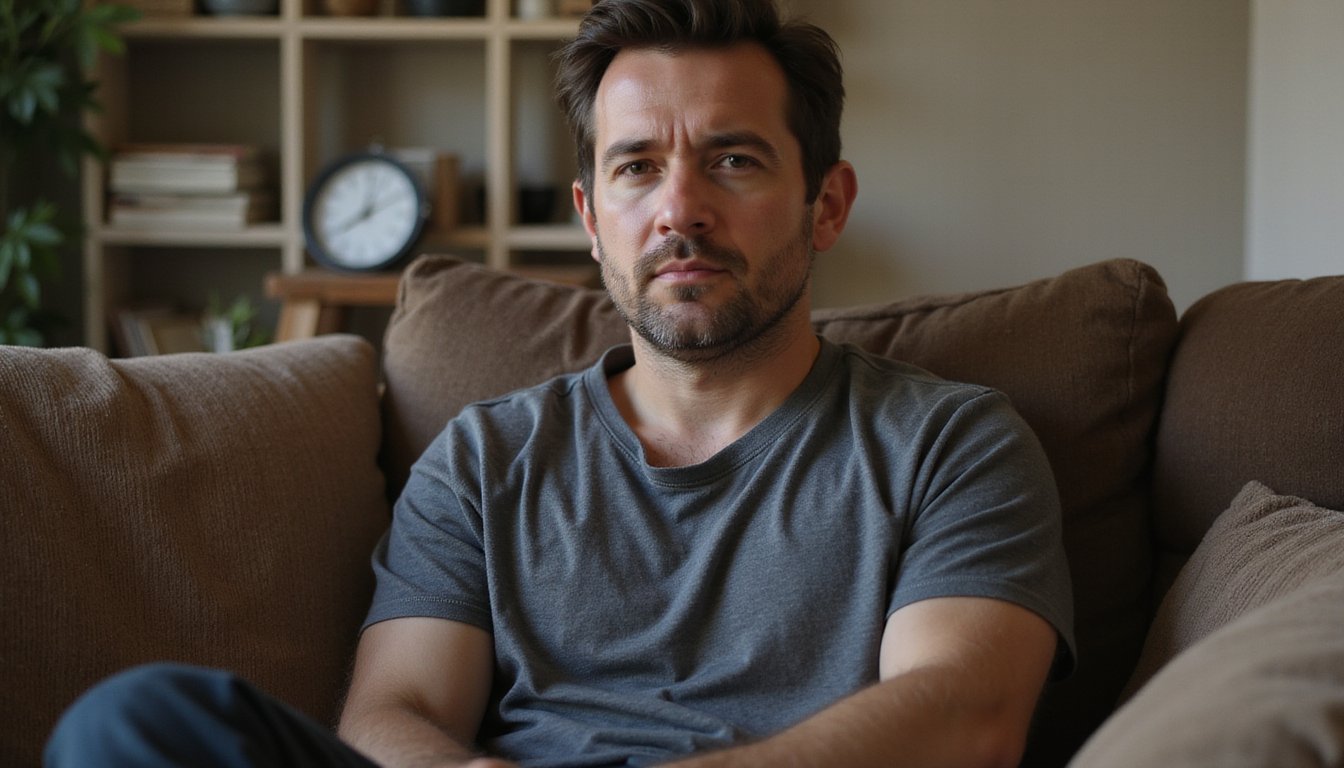
Illegal substances are classified into five distinct schedules according to the federal government guidelines depending on acceptable use and dependency potential. Heroin is considered a schedule I narcotic, not meant for general consumption. Some of the worst withdrawal symptoms happen when a person stops using heroin cold turkey. Learn more about withdrawal symptoms and how long effects may last.
Withdrawal Effects
When heroin is taken for long periods of time, the body develops a natural tolerance to the drug. The central nervous system becomes accustomed to having the drug in the system and cannot function normally without it. Withdrawal occurs when the drug is taken away and the body tries to restore balance. Discomfort and pain result from the body seeking homeostasis and also accounts for negative side effects.
What to Expect
Heroin will affect a person’s physical and mental health during withdrawal. Side effects may be both physically and mentally exhausting as well as painful. Expected side effects during heroin withdrawal may include:
- Abdominal cramps
- Cold sweats, chills
- Constipation
- Cravings
- Diarrhea
- Dilated pupils
- Depression
- Nausea
- Pain and cramps
- Sleep disruption
Side Effects
Heroin can wreak havoc in the body. When a person goes through withdrawal, it is extremely uncomfortable. Medications may be prescribed to help ease and shorten the withdrawal process. Heroin withdrawal treatment may focus on replacement therapies or medications which address symptoms directly. The most common medications used for heroin addiction include:
- Methadone
- Buprenorphine
- Clonidine
It is recommended an individual seek out STD testing from a doctor or third party testing company if it is believed an individual was exposed to an STD through needle sharing.
Heroin withdrawal side effects can impact a person’s ability to quit heroin. Physical withdrawal can be difficult but even moreso drug cravings and triggers that make a person want to start using heroin again. All is not lost, however, as treatment centers can provide constant surveillance to supervise the process.
If you or a loved one are struggling to quit heroin, The Villa may provide some answers. We have information and resources to support your journey to recovery from heroin use.