Alcohol-induced panic attacks occur when your brain’s GABA levels plummet and stress hormones like cortisol and adrenaline surge, either during intoxication or withdrawal. You’ll likely experience rapid heartbeat, tremors, nausea, dizziness, and sweating alongside overwhelming dread, derealization, and catastrophic thoughts about losing control. These episodes typically last five to 30 minutes, but residual fatigue can linger for hours. Understanding exactly how alcohol disrupts your nervous system is the first step toward breaking the cycle.
How Alcohol Triggers Panic Attacks in Your Brain
When alcohol enters your brain, it amplifies gamma-aminobutyric acid (GABA) activity, the neurotransmitter responsible for calming your nervous system and promoting relaxation. This initial sedation feels pleasant, but it masks a dangerous neurochemical trade-off.
As your blood alcohol level drops, your brain overshoots in the opposite direction. GABA levels plummet while cortisol and adrenaline surge, creating a state of over-arousal. Simultaneously, serotonin and dopamine crash after their alcohol-fueled spikes, compounding the imbalance. Your brain misinterprets these physiological disruptions as genuine danger, triggering alcohol panic symptoms, rapid heartbeat, trembling, shortness of breath, and overwhelming fear. Dehydration and low blood sugar caused by alcohol consumption further intensify these effects, as the body’s compromised state can mimic panic attack symptoms and amplify the brain’s false alarm signals.
With repeated exposure, alcohol rewires your brain’s fear-processing regions, progressively lowering your panic threshold and making it harder to achieve calm naturally.
Physical Symptoms of Alcohol Panic Attacks
Gastrointestinal distress, nausea, stomach pain, and vomiting, often compounds your distress during hangover phases. Neurologically, you may experience tingling in your hands and feet, tremors, dizziness, and unreliable vision. Sweating, chills, and profound weakness round out the physical picture. As blood alcohol levels decline, stress hormones like cortisol surge through the body, intensifying these physical symptoms and triggering the panic response. Individual episodes typically last five to 30 minutes, though residual fatigue and malaise can persist for hours afterward.
Emotional Signs of an Alcohol Panic Attack
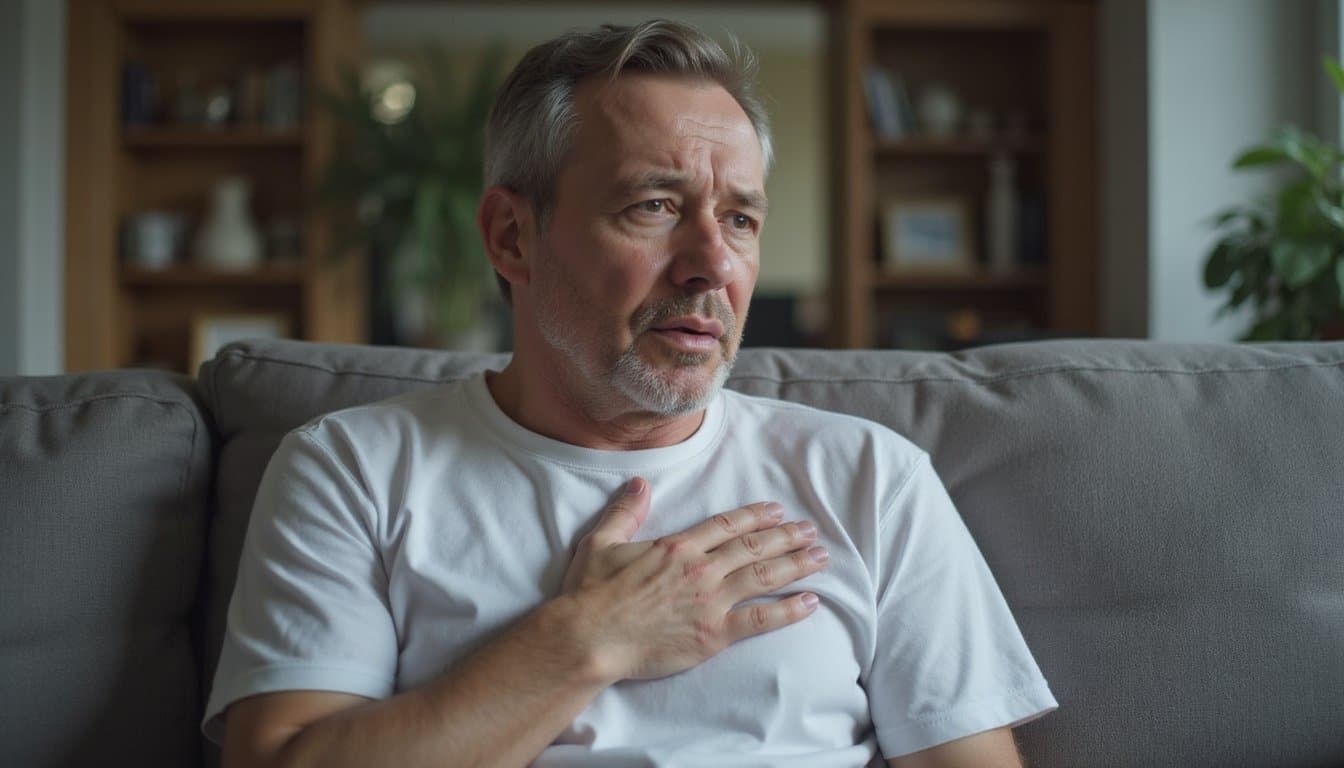
During an alcohol-induced panic attack, you may experience a sudden, overwhelming wave of fear and dread that feels life-threatening, even when no external danger exists. This intense emotional response often pairs with a terrifying sensation of losing control, you can’t stop the panic once it starts, and your mind becomes flooded with catastrophic thoughts about dying or going “crazy.” Many people also experience derealization and depersonalization, feeling disconnected from their surroundings or from their own sense of self during an episode. These emotional symptoms stem from the neurochemical rebound that occurs as alcohol’s calming effects wear off, leaving your brain in a hyperexcitable state that amplifies fear responses beyond your ability to regulate them.
Overwhelming Fear and Dread
Although alcohol initially dampens anxiety through its effects on GABA neurotransmission, the emotional rebound as blood alcohol levels drop can produce sudden, overwhelming waves of fear and dread that far exceed ordinary worry. These alcohol-induced panic attack symptoms hijack your rational thinking, causing you to perceive imminent danger where none exists. Gabapentin effects on anxiety disorders have been studied for their potential to stabilize mood and reduce feelings of anxiousness.
- You may experience an acute sense of impending doom, where your brain interprets declining blood alcohol concentration as a life-threatening event, triggering catastrophic thinking patterns.
- Your fear responses become irrational and disproportionate, attaching intense dread to harmless situations or internal sensations.
- Emotional dysregulation overwhelms your ability to self-regulate, as disrupted neurotransmitter balance amplifies fear beyond your control.
- Anticipatory apprehension develops over time, creating persistent dread about future episodes that reinforces the panic cycle.
Losing Control Sensation
Your body generates symptoms, racing heart, chest tightness, breathing difficulties, that mimic medical emergencies, reinforcing perceived helplessness. These alcohol anxiety symptoms can strike unpredictably, occurring multiple times daily and lasting up to two hours per episode. You can’t anticipate or prevent them, which deepens the control loss cycle. As tolerance builds, you’ll require more alcohol for relief, progressively surrendering autonomy to the very substance driving your distress.
Panic Attacks While Drinking vs. During Withdrawal
Because alcohol affects brain chemistry in fundamentally different ways depending on whether you’re actively drinking or withdrawing, the panic attacks that emerge in each phase carry distinct neurochemical signatures and clinical profiles. When you’re drinking, your body misinterprets alcohol’s physiological effects, racing heart, dizziness, chest tightness, as genuine danger, triggering panic after alcohol symptoms that peak within 10 to 20 minutes. Alcoholrelated panic attack symptoms can be particularly troubling for those who struggle with substance dependence.
During withdrawal, your brain’s compensatory excitatory systems remain hyperactivated, producing prolonged hyperarousal that sustains panic vulnerability well beyond detoxification.
- Active drinking episodes strike suddenly when physical symptoms reach threshold intensity, correlating directly with consumption quantity
- Withdrawal-phase panic attacks emerge from enhanced noradrenergic activation, often appearing approximately one month after cessation
- Symptom mimicry during intoxication amplifies your brain’s anxiety cascade
- Prolonged withdrawal extends your panic vulnerability window considerably
Why Drinking More Makes Alcohol Panic Attacks Worse
When you drink more to overcome tolerance, you’re intensifying the very withdrawal cycles that trigger panic, each episode strips your brain of GABA more aggressively than the last. As your nervous system compensates for chronic alcohol exposure, it shifts into a persistent state of excitatory overdrive, making rebound anxiety and panic attacks progressively more severe. This compounding GABA depletion means your brain loses its natural capacity to regulate fear and calm itself, leaving you increasingly vulnerable to panic with every drinking cycle.
Tolerance Fuels Heavier Drinking
Although alcohol initially produces a calming effect by boosting GABA activity, your brain’s central nervous system gradually adapts to this suppression with regular heavy drinking. This adaptation means you’ll need increasingly larger amounts to achieve the same relaxation, and tolerance fuels heavier drinking patterns that accelerate neurotransmitter depletion. Over time, this trajectory notably increases your risk of developing alcohol use disorder.
- GABA stores become depleted with chronic heavy consumption, leaving your brain chemically unable to regulate anxiety naturally
- Your baseline anxiety increases between drinking episodes as withdrawal symptoms persist at low levels continuously
- The reinforcing cycle intensifies because you drink more to manage the worsening panic your previous drinking caused
- Sleep disruption compounds emotional instability, amplifying both depression and anxiety during hangover periods
Worsening Withdrawal Panic Cycles
Dehydration, nutrient depletion, and disrupted neurotransmitter signaling amplify this effect. You’ll notice your heart rate spikes faster, tremors arrive sooner, and irrational fear hits harder with each cycle. If you have a pre-existing anxiety disorder, this escalation strikes with particular intensity.
This pattern drives heavier consumption to manage worsening distress, accelerating tolerance and dependence. Breaking this cycle requires professional intervention before neurobiological vulnerability deepens further.
GABA Depletion Compounds Anxiety
Every drink you take to quiet a panic episode accelerates the very neurochemical process driving it. Chronic consumption depletes GABAergic function through neuron loss, reduced synthesis, and receptor downregulation. Your brain becomes progressively less capable of producing its own calming signals, leaving glutamate excitation unchecked and intensifying alcohol withdrawal anxiety signs with each cycle.
- Receptor desensitization forces you to drink more while receiving less inhibitory benefit, deepening neurochemical dependence
- Shortened GABA signaling occurs as neurotransmitters retract from the synapse prematurely, weakening your brain’s natural anxiety defense
- Glutamate surges trigger hyperexcitability and excitotoxicity that erode cognitive resilience over time
- Escalating tolerance traps you in a cycle where each attempt at self-medication worsens the underlying GABA deficit
How to Cope With Alcohol-Induced Panic Attacks
When an alcohol-induced panic attack strikes, your body’s neurochemical rebound creates real, measurable physiological distress, but effective coping strategies can interrupt the cycle and restore calm. Understanding alcohol nervous system effects helps you recognize that your symptoms stem from excitatory neurotransmitter surges, not a medical emergency. The differences between panic and anxiety can be subtle yet significant. Panic attacks often strike suddenly and with intense fear, while anxiety tends to build gradually and can persist over time.
Start with box breathing, inhale for four counts, hold four, exhale four, hold four. This activates your parasympathetic response directly. Apply the 54321 grounding method to anchor yourself in present sensory input, disrupting catastrophic thought loops.
Hydrate immediately and consume simple carbohydrates to stabilize blood sugar. Move to a quiet, safe space. Contact a trusted person who can provide calm, nonjudgmental support. If you’re experiencing recurring episodes, consult a clinician about cognitive behavioral therapy.
Your Calmer Tomorrow Starts With One Call
When anxiety, panic, and substance use begin overlapping, expert care can guide you to safer, healthier choices. At The Villa Treatment Center in Woodland Hills, CA, our caring professionals provide trusted Anxiety Treatment with understanding and a plan shaped around you. Call +1-818-639-7160 today and take the first step toward lasting recovery.
Frequently Asked Questions
Can Alcohol-Induced Panic Attacks Cause Long-Term Heart Damage Over Time?
While panic attacks alone don’t typically cause permanent heart damage, repeated heavy drinking absolutely can. You’re putting your heart at risk through alcohol-induced cardiomyopathy, arrhythmias, and chronic inflammation. Heavy drinkers show markedly higher markers of heart wall stretching and inflammation. If you’re experiencing frequent alcohol-induced panic attacks, that’s a warning sign you shouldn’t ignore, your heart’s taking cumulative damage that may progress silently before symptoms appear. Seek professional evaluation promptly.
Are Certain Types of Alcohol More Likely to Trigger Panic Attacks?
No specific alcohol type triggers panic attacks more than others, since alcohol’s GABA-disrupting mechanism works similarly across beverages. However, what you mix matters considerably. High-sugar cocktails like piña coladas cause blood sugar spikes that compound anxiety symptoms, while caffeine-heavy mixers like energy drinks amplify your heart rate and nervousness. Champagne, brandy, and cocktails have been noted as particularly anxiety-triggering. Your individual susceptibility ultimately determines which beverages provoke the strongest responses.
How Long After Quitting Alcohol Do Panic Attacks Typically Stop Occurring?
You’ll typically notice panic attacks peaking within 48, 72 hours after your last drink, then gradually improving over 5, 7 days. However, anxiety-related symptoms, including panic episodes, can persist for 3, 6 weeks as your brain’s neurotransmitter balance restores. If you’ve been drinking heavily for years, you may experience lingering panic attacks for weeks or even months. Your individual recovery timeline depends on your consumption history, neurological vulnerability, and whether you’re receiving professional support.
Can a Single Drink Cause a Panic Attack in Someone With Anxiety?
Yes, a single drink can trigger a panic attack if you’re anxiety-prone. Even small amounts of alcohol stimulate GABA, creating temporary calm, but as your BAC drops, your brain’s excitatory neurotransmitters surge, activating your fight-or-flight response. If you have generalized anxiety disorder or panic disorder, you’re particularly susceptible to this neurochemical rebound. However, heavy drinking and withdrawal symptoms make alcohol-induced panic attacks considerably more likely than single-drink consumption.
Should You Go to the Emergency Room for an Alcohol-Induced Panic Attack?
You don’t typically need the emergency room for an alcohol-induced panic attack, since symptoms resolve within five to 30 minutes. However, you should seek emergency evaluation if you experience chest pain with shortness of breath lasting beyond 30 minutes, severe confusion, or loss of consciousness. Stop drinking immediately and monitor your symptoms. If you can’t distinguish your symptoms from a cardiac event, don’t hesitate, call emergency services for proper assessment.