
A panic attack hits you suddenly, intense fear that peaks within minutes, often without any clear trigger. An anxiety attack builds gradually, fueled by identifiable stressors and persistent worry. Only panic attacks carry an official DSM-5-TR diagnosis, requiring at least four symptoms during a sudden episode. Both involve physical symptoms like a racing heart, but panic feels acute and overwhelming while anxiety is sustained and slower-burning. Understanding their distinct triggers, durations, and biological mechanisms can help you respond more effectively.
What Is a Panic Attack vs an Anxiety Attack?
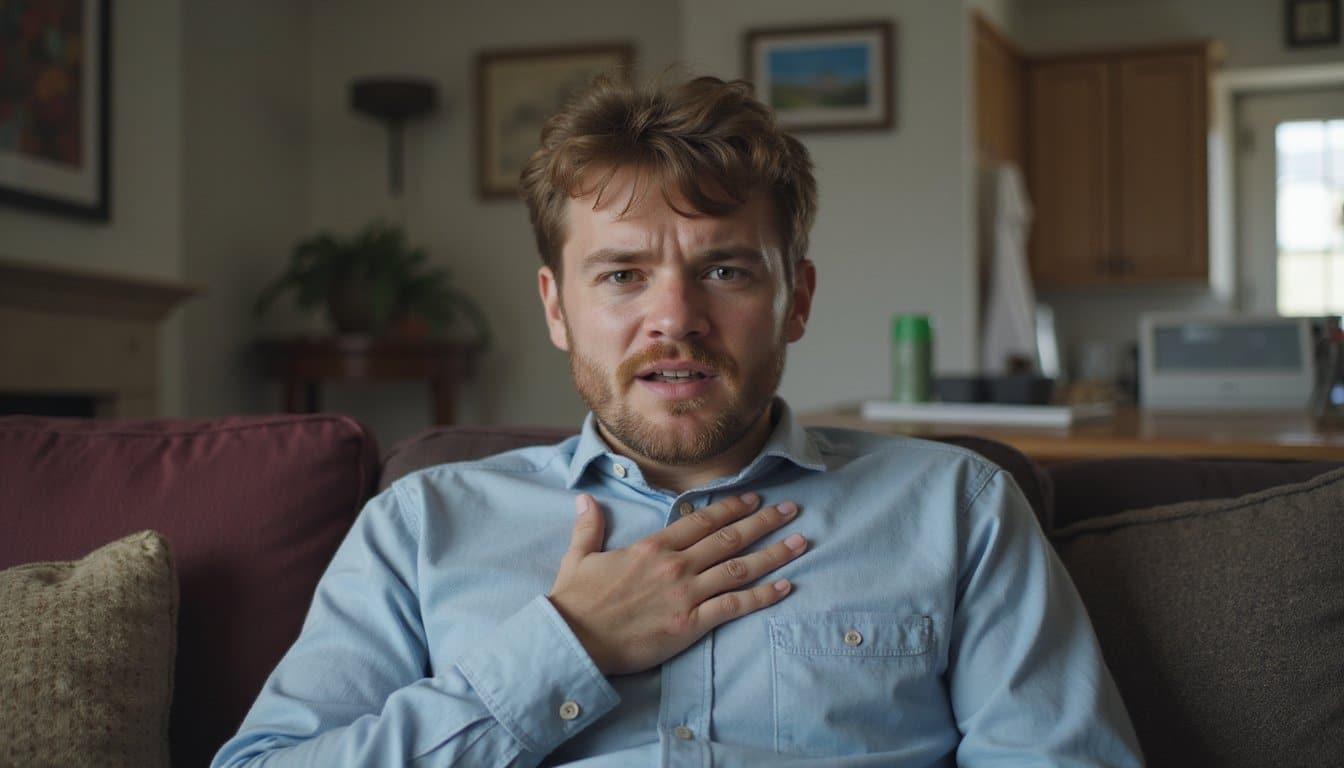
While people often use the terms interchangeably, a panic attack and an anxiety attack describe fundamentally different experiences. A panic attack is a clinically recognized episode defined in the DSM-5-TR, a sudden, intense surge of fear that peaks within minutes, often without warning. An anxiety attack isn’t a formal diagnosis but describes a gradual buildup of worry tied to identifiable stressors.
The core panic attack vs anxiety attack difference lies in onset and intensity. You’ll experience a panic attack as abrupt and overwhelming, sometimes mimicking a heart attack. An anxiety attack develops slowly, producing persistent apprehension that’s distressing but generally manageable. Both activate your fight-or-flight response, producing symptoms such as racing heartbeats, tense muscles, difficulty breathing, and shaking. Yet they demand different recognition and treatment approaches.
How Long Each Type of Attack Lasts
Recognizing the differences in onset and intensity between panic and anxiety attacks matters, but understanding how long each lasts shapes how you respond in the moment.
The panic attack duration range typically spans 5 to 20 minutes, with peak intensity hitting in under 10 minutes. Most episodes resolve within 30 minutes, though some cases extend up to an hour. Multiple consecutive attacks can create prolonged distress that feels like one unbroken episode.
The anxiety attack duration range generally runs 15 to 30 minutes, with symptoms often lingering longer due to sustained stress activation. While peak intensity also occurs within 10 minutes, the gradual buildup and slower resolution distinguish anxiety episodes from panic’s abrupt pattern.
If your symptoms don’t peak within 10 minutes, you’re likely experiencing heightened anxiety rather than a panic attack. During either type of episode, deep breathing exercises can help regulate your body’s stress response and shorten the time symptoms persist.
Physical Symptoms of Panic Attacks vs Anxiety Attacks

Because both panic and anxiety attacks activate your body’s stress response, their physical symptoms overlap, but the way those symptoms arrive and intensify sets them apart. Alcohol panic attack symptoms explained can include rapid heartbeat, sweating, and feelings of impending doom.
During a panic attack, you’ll experience abrupt cardiovascular surges, racing heart, palpitations, and chest tightness peaking within minutes. Hyperventilation, choking sensations, dizziness, trembling, and tingling in your extremities hit simultaneously. You may also notice nausea, hot flushes, chills, and derealization. These physical symptoms typically peak within 10 minutes and then gradually subside over the following minutes.
Panic attacks unleash a rapid storm of cardiovascular, respiratory, and neurological symptoms that peak within minutes.
An anxiety attack produces similar but less acute symptoms. Your heart rate climbs gradually, muscles tense over time, and breathing feels restricted rather than smothered. Stomach discomfort and restlessness build alongside persistent worry.
The core distinction in the panic attack vs anxiety attack comparison is intensity and onset. Panic strikes suddenly with overwhelming force; anxiety escalates slowly, producing sustained but less severe physical distress.
Emotional Symptoms: Terror vs Dread
When you’re experiencing a panic attack, you may feel an acute terror that you’re losing control or dying, a response driven by sudden amygdala activation and adrenaline surges that hijack your sense of safety. In contrast, anxiety episodes produce a persistent dread rooted in worry about identifiable stressors, where your prefrontal cortex cycles through anticipatory fears rather than signaling immediate catastrophe. Panic attacks can also trigger derealization or depersonalization, leaving you feeling detached from your surroundings or yourself, while anxiety’s emotional toll tends toward prolonged rumination and irritability that builds over time.
Fear Of Losing Control
Though both panic attacks and anxiety attacks can trigger a fear of losing control, the emotional quality of that fear differs markedly between the two experiences. During a panic attack, you experience terror, an overwhelming sense that something catastrophic is happening, yet you can’t identify or comprehend its source. This produces hypersensitivity to triggers, powerlessness, and mental dysregulation that you can’t override through rational means.
With anxiety attacks, your fear of losing control stems from dread, an anticipation of identifiable negative outcomes. You’re aware of the threat source, which allows some cognitive processing, though persistent worry still dominates. Common anxiety disorder symptoms include avoidance behaviors and hypervigilance as you attempt to prevent anticipated harm. Both experiences activate heightened alertness, but terror’s unpredictability creates a fundamentally different loss-of-safety experience than dread’s recognizable patterns.
Worry Versus Acute Terror
When examining worry versus acute terror, you’ll notice anxiety generates persistent dread tied to future possibilities, ruminating over outcomes you can’t yet confirm. Panic produces paralyzing terror rooted in perceived immediate danger. This distinction in anxiety vs panic symptoms is clinically significant: worry maintains manageable distress levels, while terror can drive emergency room visits from mistaken cardiac events.
Your emotional trajectory also differs. Anxiety builds gradually and lingers. Terror escalates within minutes, peaks rapidly, then subsides, leaving concentrated acute distress rather than prolonged unease.
Derealization And Detachment
Because panic attacks hijack your brain’s threat-detection system so rapidly, they can trigger derealization, a dissociative state where your surroundings suddenly feel unreal, distant, or dreamlike. Your brain’s ventromedial prefrontal cortex overactivates, suppressing emotional processing to shield you from overwhelming terror. You’re conscious but detached, observing life through glass.
| Panic-Linked Derealization | Anxiety-Linked Detachment |
|---|---|
| Sudden onset, peaks within minutes | Gradual buildup over hours or days |
| Surroundings appear flat or two-dimensional | Persistent emotional numbness |
| Intense fear of losing sanity | Chronic worry about disconnection |
| Resolves as panic subsides | Can persist between episodes |
| Driven by adrenaline surge | Sustained by cortisol elevation |
During anxiety, detachment develops slowly, you’ll notice emotional blunting and robot-like disconnection rather than acute perceptual distortion.
What Triggers Panic Attacks vs Anxiety Attacks
While both panic attacks and anxiety attacks activate your body’s stress response, the triggers behind each differ in timing, intensity, and predictability. Panic attacks often strike without warning, sometimes emerging from calm states, which is a hallmark feature of panic disorder. Anxiety attacks typically build gradually in response to identifiable stressors.
Common panic attack triggers include:
- Environmental stimuli, crowded spaces, heights, or reminders of past trauma that activate your fight-or-flight response abruptly
- Substance-related factors, excessive caffeine, alcohol withdrawal, or medication side effects that mimic acute stress physiology
- Physical conditions, thyroid imbalances, low blood sugar, or hyperventilation that produce panic-mimicking sensations
- Compounding life stressors, concurrent financial, health, and relationship pressures that prime your nervous system for sudden dysregulation
Why Panic Attacks Feel Like Heart Attacks

When you’re in the grip of a panic attack, your body’s fight-or-flight response floods your system with adrenaline, producing symptoms that closely mirror a cardiac event, including chest pain, rapid heartbeat, and shortness of breath. These shared physical symptoms make it genuinely difficult to distinguish a panic attack from a heart attack in the moment, especially when chest pressure feels crushing or your heart pounds uncontrollably. Understanding why your body generates these overlapping sensations can help you respond more effectively, though you should always seek emergency evaluation if you’re uncertain about the cause.
Shared Physical Symptoms
The overlap between panic attacks and heart attacks isn’t just psychological, it’s rooted in shared physiology. Your sympathetic nervous system triggers identical cascades in both conditions, making shared physical symptoms nearly indistinguishable without clinical evaluation. This overlap frequently complicates panic disorder diagnosis.
Both conditions activate your fight-or-flight response, producing these overlapping symptoms:
- Chest tightness and shortness of breath caused by sympathetic activation and hyperventilation-induced alkalosis
- Racing heart and palpitations driven by noradrenergic stimulation and heightened cardiac demand
- Profuse sweating triggered by autonomic thermoregulatory responses
- Dizziness with a sense of impending doom resulting from cardiorespiratory changes propagating through interconnected neural pathways
You shouldn’t dismiss these symptoms. Emergency evaluation remains essential to rule out cardiac events before attributing episodes to panic alone.
Chest Pain Similarities
Chest pain stands out among those shared symptoms because it’s the single most alarming overlap, and it occurs in 22% to over 70% of panic attacks. The chest pain similarities between panic attacks and heart attacks drive countless emergency room visits, and for good reason: both conditions produce racing heart sensations, sweating, and dizziness.
Your body generates real cardiac stress during panic. Autonomic activation triggers coronary artery spasm, while hyperventilation causes alkalosis that constricts coronary vasculature. These mechanisms produce genuine myocardial ischemia, meaning your heart temporarily receives insufficient blood flow.
Both conditions concentrate pain in the center or left chest. However, heart attack pain radiates to your arm, jaw, or back, while panic-related pain typically stays localized near the sternum. If you’re uncertain, always seek immediate medical evaluation.
Fight-or-Flight Activation
Behind every panic attack lies a biological alarm system firing at full force, the fight-or-flight response. When your brain detects danger, real or perceived, your sympathetic nervous system triggers a cascade of rapid physiological changes designed to protect you.
Here’s what happens during activation:
- Your adrenal glands release adrenaline, causing your heart to pound and breathing to quicken.
- Blood redirects from extremities toward major organs and muscle groups.
- Blood sugar and fats flood your bloodstream, providing immediate energy.
- Your pupils dilate and senses sharpen, heightening alertness to surroundings.
These changes explain why panic attacks mimic cardiac events. Your body can’t distinguish between a true threat and a false alarm, so the fight or flight response fires identically, producing real, measurable physical symptoms from a non-dangerous trigger.
Why Only Panic Attacks Are a Clinical Diagnosis
Although many people use the terms interchangeably, only panic attacks carry an official clinical diagnosis in the Diagnostic and Statistical Manual of Mental Disorders (DSM-5). To meet diagnostic criteria, you must experience at least four physical or cognitive symptoms during a sudden, unexpected episode that peaks within approximately 10 minutes.
Anxiety attacks, by contrast, don’t appear anywhere in official diagnostic systems. You won’t find standardized symptom thresholds, clinical codes, or established medical differentiation protocols for them.
This distinction matters for your care. A panic disorder diagnosis enables structured treatment protocols, medical billing codes, and insurance recognition. It also triggers standardized procedures, including ECG and laboratory testing, to rule out cardiac or pulmonary conditions. Without formal classification, anxiety attacks lack these critical clinical safeguards.
Can You Have Both at the Same Time?
How often can panic disorder and generalized anxiety disorder coexist? Research from the National Comorbidity Survey Replication shows up to 55% of individuals with panic disorder also meet criteria for GAD. This overlap means you can experience both panic and anxiety attacks as part of a reinforcing cycle.
When both conditions are present, you’ll likely notice:
- Chronic worry heightening your sensitivity to physical sensations, triggering panic episodes
- Fear of future attacks feeding back into persistent anxiety
- Avoidance behaviors that reinforce both conditions simultaneously
- Overlapping symptoms like chest tightness and sleep disturbances that obscure accurate diagnosis
One condition can mask the other, making clinical evaluation essential for identifying both and developing targeted treatment.
When Panic or Anxiety Attacks Need Professional Help
When panic or anxiety episodes start disrupting your daily functioning, interfering with work, relationships, or your ability to leave home, they’ve crossed the threshold from manageable distress into a condition that requires professional intervention.
When anxiety starts controlling your daily life, it’s no longer just stress, it’s a signal to seek professional help.
You should contact a healthcare provider if panic attack symptoms last longer than 15 minutes, recur frequently, or escalate despite self-management efforts. Persistent difficulty concentrating, sleep disruption, and extreme irritability all warrant clinical evaluation.
Seek emergency care immediately if you experience chest pain, trouble breathing, loss of consciousness, or suicidal thoughts.
Your provider may recommend medical testing to rule out thyroid or cardiac conditions before pursuing a mental health referral. A qualified professional can determine whether therapy, medication, or a combined approach best addresses your specific symptom pattern and severity.
Real Relief From Anxiety Is Closer Than You Think
When panic and drinking start fueling each other, the right professional care can break the cycle and bring real peace of mind. At The Villa Treatment Center in Woodland Hills, CA, our caring professionals provide thoughtful Anxiety Treatment with understanding and a plan shaped around you. Call +1-818-639-7160 today and take the first step toward lasting recovery.
Frequently Asked Questions
Can Children Experience Panic Attacks Differently Than Adults Do?
Yes, children experience panic attacks differently than adults do. Their developing brains can’t rationalize or challenge fearful thoughts the way you’d expect from an adult’s mature prefrontal cortex. Instead of verbalizing distress, children express panic through tantrums, crying, clinging, or refusing activities. You’ll also notice their symptoms are often mistaken for physical illness. Unlike adults who ruminate and catastrophize, children experience panic “in the moment” without anticipatory worry.
Do Panic or Anxiety Attacks Cause Any Long-Term Brain Changes?
Chronic, unmanaged anxiety and panic can alter your brain’s structure, shrinking your hippocampus and prefrontal cortex while enlarging your amygdala. These changes may impair your memory, decision-making, and emotional regulation. However, your brain’s neuroplasticity means these effects aren’t permanent. With early treatment like CBT, exercise, and sometimes medication, you can reverse stress-induced changes and restore healthy brain function. Don’t delay seeking support, early intervention makes a meaningful difference.
Are Certain Personality Types More Prone to Anxiety or Panic Attacks?
Yes, certain personality traits increase your vulnerability. If you score high in neuroticism on the Big Five model, you’re more likely to perceive everyday situations as threatening, heightening anxiety susceptibility. Introverted intuitive types, like INFJs and INTPs, tend toward overthinking and worst-case rumination, which can escalate into panic. You’ll also find that perfectionism, people-pleasing tendencies, and avoidance behaviors amplify your risk. Women and young adults under 35 show higher prevalence rates as well.
Can Diet or Caffeine Intake Increase the Frequency of Attacks?
Yes, your diet and caffeine intake can increase the frequency of both panic and anxiety episodes. Caffeine stimulates your sympathetic nervous system, mimicking the adrenaline surges associated with panic attacks. High sugar intake and nutritional deficiencies can also dysregulate your stress pathways. If you’re prone to these episodes, reducing caffeine and processed foods may help lower your body’s baseline arousal, making you less vulnerable to triggering an attack.
What Immediate Coping Techniques Help During a Panic or Anxiety Attack?
You can manage an episode by practicing slow, diaphragmatic breathing, inhaling for four counts, holding for four, and exhaling for six. Grounding techniques like the 5-4-3-2-1 method, where you identify sensory details around you, help redirect your focus away from distress. Progressive muscle relaxation also reduces sympathetic activation. If you’re experiencing chest pain or difficulty breathing, you should seek immediate medical evaluation to rule out underlying conditions.