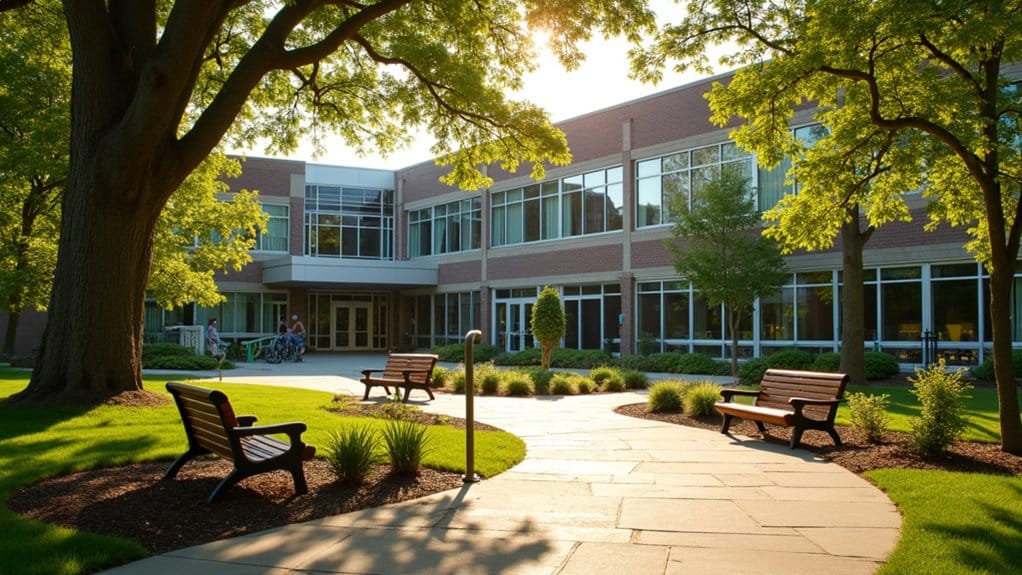
The Villa Treatment Center provides alcohol rehab in Los Angeles County from our inpatient facility in Woodland Hills, CA, serving the San Fernando Valley and the broader LA metro. We offer medically supervised detox, residential treatment, dual diagnosis care, and structured aftercare, all under one roof, with 24/7 nursing and physician access on-site. If you or someone you love is struggling with alcohol use disorder, our admissions team is available around the clock to answer questions confidentially.
Alcohol Use Disorder in the United States: 2024 Data
Alcohol use disorder is one of the most widespread and undertreated conditions in the country. According to the 2024 National Survey on Drug Use and Health (NSDUH), published by SAMHSA in July 2025:
- 27.9 million people in the U.S. had an alcohol use disorder in 2024
- 134.3 million Americans aged 12 or older currently drink alcohol, and 57.9 million of them (43.1%) were past-month binge drinkers
- 48.4 million people met criteria for a substance use disorder in 2024, about 1 in 6 Americans
- 80% of people who needed substance use treatment in 2024 did not receive it
- Only 23% of the 52.6 million people who needed treatment actually got it, cost, readiness, and not knowing where to go were the top barriers cited
These numbers reflect a significant treatment gap. Alcohol use disorder is not a matter of willpower, it is a chronic, treatable medical condition, and professional treatment substantially improves long-term outcomes compared to attempting recovery alone.
What Is Alcohol Use Disorder?

Alcohol use disorder (AUD) is a medical diagnosis given when a person’s drinking causes clinically significant impairment or distress. It is classified as mild, moderate, or severe based on the number of diagnostic criteria met. Common signs include being unable to control how much you drink, continuing to drink despite negative consequences at work or in relationships, experiencing withdrawal symptoms when not drinking, and needing increasing amounts of alcohol to feel the same effect.
If left untreated, alcohol addiction can cause liver disease and cirrhosis, cardiovascular damage, neurological impairment, pancreatitis, increased cancer risk, and significant mental health deterioration. Alcohol withdrawal can also be medically dangerous; unlike many other substances, alcohol withdrawal can cause life-threatening seizures, which is why medically supervised detox is essential rather than attempting to stop cold turkey at home.
Common warning signs of alcohol use disorder include:
- Being unable to stop or control drinking despite wanting to
- Strong cravings for alcohol between drinks
- Continuing to drink even when it causes problems at work, home, or in relationships
- Needing to drink more to feel the same effect (tolerance)
- Experiencing withdrawal symptoms such as shaking, sweating, anxiety, or nausea when not drinking
- Giving up activities or responsibilities to drink or recover from drinking
Alcohol Rehab at The Villa Treatment Center
The Villa Treatment Center in Woodland Hills provides a full continuum of alcohol addiction care in a private, intimate residential setting. Our alcohol rehab program addresses the physical, psychological, and behavioral dimensions of alcohol use disorder through an integrated clinical approach.
Our program includes:
- Medically supervised detox: Safe, monitored withdrawal management with 24/7 nursing and physician oversight, including medication-assisted support where clinically appropriate
- Residential inpatient treatment: Structured daily programming in a private facility, away from triggers and environments associated with drinking
- Individual therapy: One-on-one sessions through our individual therapy program to address the underlying causes of alcohol dependence
- Group therapy: Peer support and shared accountability through facilitated group sessions
- Cognitive Behavioral Therapy (CBT): Evidence-based approach that identifies and changes the thought patterns driving alcohol use
- Dialectical Behavior Therapy (DBT): Skills training for emotional regulation, distress tolerance, and interpersonal effectiveness
- Dual diagnosis treatment: Integrated care for co-occurring mental health conditions such as depression, anxiety, trauma, or PTSD that commonly accompany alcohol use disorder
- Family therapy: Structured sessions to rebuild communication and trust with loved ones
- 12-step modality: AA meetings and step-based group work incorporated into daily programming
- Holistic therapies: Mindfulness, meditation, yoga, and wellness practices that support physical and emotional recovery
- Aftercare planning: Discharge planning that includes outpatient referrals, alumni support, and community resources to maintain sobriety after residential treatment
What Makes The Villa Different
The Villa Treatment Center is Joint Commission-accredited and licensed by the California Department of Health Care Services (DHCS License #190807BP). We maintain an intentionally small census; our facility is intimate by design, which means each client receives individualized attention rather than being one of hundreds of patients in a large institutional setting.
Our clinical team includes licensed therapists, counselors, and physicians. Dr. Courtney Scott, MD, board-eligible in Emergency Medicine, Internal Medicine, and Addiction Medicine, provides medical oversight for our treatment programs. Every client’s care plan is reviewed and personalized based on their specific history, co-occurring conditions, and goals for recovery.
We also accept most major private insurance plans, including Anthem Blue Cross, Aetna, Health Net, and MHN. Our admissions team verifies your benefits before arrival, so there are no financial surprises when you begin treatment.
Alcohol Withdrawal: Why Medical Detox Matters
Alcohol withdrawal is medically distinct from withdrawal from most other substances. In moderate to severe cases, it can produce symptoms including tremors, elevated heart rate, high blood pressure, hallucinations, and, in the most serious cases, grand mal seizures and a condition called delirium tremens (DTs), which can be fatal without medical intervention.
This is why attempting to stop drinking abruptly at home without medical supervision carries real physical risk for people with moderate or severe alcohol use disorder. At The Villa’s medical detox program, withdrawal is managed around the clock by clinical staff who can administer medications to prevent complications, monitor vital signs, and ensure the process is as safe and comfortable as possible.
Detox is the first step, not the whole treatment. Once the body is stabilized, the residential program addresses the behavioral, psychological, and social factors that drive alcohol dependence.
Who We Serve
The Villa Treatment Center serves adults throughout Los Angeles County and the greater Southern California area from our facility at 5051 Hood Dr in Woodland Hills, CA, located in the San Fernando Valley with easy access from Encino, Calabasas, West Hills, Tarzana, Sherman Oaks, Studio City, Thousand Oaks, and the broader LA metro. For most LA County residents, our facility is within a 30 to 45-minute drive.
We treat adults struggling with alcohol use disorder across the full spectrum, from those in the early stages of dependence to those with long histories of heavy use, previous treatment attempts, or co-occurring mental health conditions. We also offer dual diagnosis treatment for clients whose alcohol use is intertwined with depression, anxiety, trauma, PTSD, or other mental health conditions.
Frequently Asked Questions
What does alcohol rehab in Los Angeles involve?
At The Villa Treatment Center, alcohol rehab begins with medically supervised detox to safely manage withdrawal, followed by residential treatment that includes individual therapy, group sessions, CBT, DBT, family therapy, and holistic care. Each client receives a personalized treatment plan addressing both alcohol dependence and any co-occurring mental health conditions. Programs typically run 30 to 90 days, depending on individual needs.
How long does inpatient alcohol rehab take?
Most inpatient alcohol rehab programs run 30 to 90 days, depending on the severity of the addiction, medical needs, and individual progress. The Villa offers flexible program lengths with extended care options for more complex cases. Your clinical team will recommend a length of stay based on your specific situation during the intake assessment.
Does insurance cover alcohol rehab in Los Angeles?
Yes. The Villa Treatment Center accepts most major private insurance plans, including Anthem Blue Cross, Aetna, Health Net, and MHN. The Mental Health Parity and Addiction Equity Act (MHPAEA) requires most insurance plans to cover substance use disorder treatment at the same level as other medical conditions. Our admissions team verifies your benefits before you arrive, so there are no surprises.
What is the difference between alcohol detox and alcohol rehab?
Detox is the medical process of safely clearing alcohol from your body and managing withdrawal symptoms, it typically lasts 5 to 10 days. Rehab is the broader treatment program that follows detox, addressing the psychological, behavioral, and social factors that drive alcohol dependence. At The Villa, both happen in one location with no gap in care between the two phases.
Can I get alcohol rehab near Woodland Hills without going far from home?
Yes. The Villa Treatment Center is located at 5051 Hood Dr in Woodland Hills, CA, serving the entire San Fernando Valley, Los Angeles County, and surrounding communities, including Encino, Calabasas, West Hills, and Thousand Oaks. For many LA County residents, our facility is within a 30 to 45 minute drive.
What happens after I complete alcohol rehab?
The Villa provides structured aftercare planning before every client’s discharge. This includes referrals to outpatient programs, alumni programming, sober living recommendations if needed, and ongoing community support resources. Recovery does not end when residential treatment ends, our team works with you before discharge to map out a clear plan for what comes next.