
Residential mental health treatment means you live at a licensed facility while receiving intensive, round-the-clock psychiatric and therapeutic care. It’s designed for you when your symptoms seriously interfere with daily life, but you don’t need hospital-level medical containment. You’ll follow a structured daily rhythm of individual and group therapy, plus medication management when clinically needed. It bridges the gap between weekly therapy and hospitalization. Here’s what to expect and who benefits most.
Key Takeaways
- Residential treatment means living at a licensed facility for weeks or months, receiving intensive, structured psychiatric and therapeutic care around the clock.
- It’s designed for people whose symptoms seriously disrupt daily functioning but who don’t require hospital-level medical containment.
- Ideal candidates find weekly therapy insufficient, have safety concerns at home, and can commit to demanding therapeutic work.
- A typical day follows a predictable rhythm of individual therapy, group sessions, activities, meals, and medication management when clinically needed.
- It commonly addresses depression, bipolar disorder, PTSD, dual diagnosis, and borderline personality disorder, with stays ranging from 30 to 90+ days.
What is residential mental health treatment
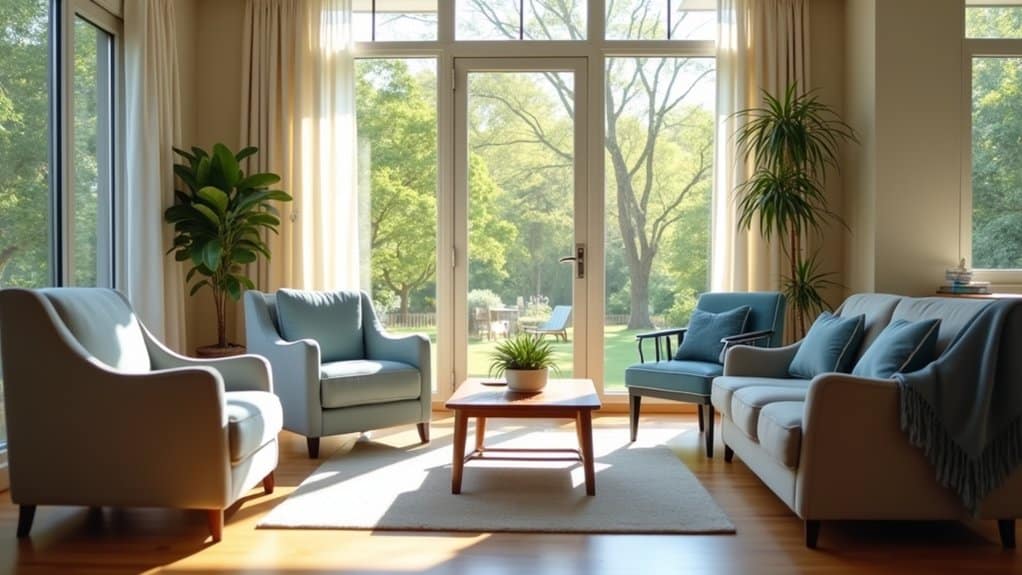
Residential mental health treatment means living at a licensed facility for a defined period while receiving intensive, structured psychiatric and therapeutic care around the clock. It fills the gap when weekly therapy isn’t enough but a hospital stay isn’t warranted.
Residential treatment for mental health sits between short-term, crisis-focused inpatient hospitalization and outpatient therapy that offers just one or two sessions a week. You’ll find it serves people who’ve moved past acute crisis but still need more support than weekly appointments can provide.
Unlike hospitalization measured in days, residential psychiatric care is measured in weeks or months. That extended time lets you pursue deeper, sustained change rather than immediate stabilization, addressing serious symptoms that interfere with your daily functioning.
Who is residential treatment designed for
Residential mental health treatment is designed for people whose symptoms seriously interfere with daily functioning, yet who don’t need the medical containment of a hospital. If weekly therapy hasn’t produced the change you need, a residential treatment facility mental health program may bridge that gap. A residential mental health environment offers a supportive community and structured, tailored treatment. Professional guidance and peer support help residents build coping strategies and enhance recovery.
When weekly sessions aren’t enough, residential treatment offers the deeper support that outpatient care can’t provide.
You might be a good candidate if you’re managing:
- Major depression that hasn’t improved with outpatient care
- Bipolar disorder requiring medication stabilization
- Anxiety disorders, including panic disorder and OCD
- PTSD, complex trauma, or borderline personality disorder in non-acute phases
Suitability also depends on your safety at home, the strength of your support system, and your willingness to actively engage in demanding therapeutic work.
What conditions does residential treatment help with

Residential treatment helps with a range of diagnoses whose serious symptoms interfere with daily life but don’t require acute medical containment. You don’t need a single specific diagnosis to benefit. What matters is that your symptoms are serious and persistent. If weekly outpatient therapy hasn’t moved you forward, this level of care can offer the intensity you need.
| Condition | Common Presentation | Typical Length of Stay |
|---|---|---|
| Major depressive disorder | Non-responsive to outpatient care | 30, 45 days |
| Bipolar disorder | Needs medication stabilization | 30, 60 days |
| PTSD/complex trauma | Deep-seated trauma processing | 60, 90+ days |
| Dual diagnosis | Mental health plus substance use | 60, 90 days |
| Borderline personality disorder | DBT-based intensive work | 90+ days |
You’ll also find support for anxiety disorders, OCD, and non-acute psychotic conditions.
What does a typical day in residential treatment look like
A typical day in residential treatment follows a predictable rhythm rather than drifting, because structure itself is part of the treatment. From the moment you wake, set times for therapy, activities, and meals give your day a dependable shape, which steadies your nervous system and reinforces the changes you’re working toward.
Structure isn’t a cage, it’s the framework that steadies your nervous system and holds your progress in place.
A typical day blends several evidence-based elements:
- Individual sessions using approaches like CBT, psychodynamic, or person-centered therapy
- Group therapy where you practice skills and connect with others
- Medication management with your psychiatrist when clinically needed
- Structured activities and shared mealtimes that anchor your routine
You won’t spend every hour in intensive work. The rhythm balances effort with rest. This isn’t a vacation, though. Your active participation drives the deeper, sustained change residential care makes possible.
How does residential treatment support recovery

Residential treatment supports recovery by surrounding you with support around the clock. That constant structure fills the gap between acute crisis and outpatient care, giving you room for deeper, sustained change instead of just quick stabilization.
Your treatment team, a therapist, psychiatrist, and other staff, works together to address your symptoms from multiple angles. You’ll combine individual and group therapy using approaches like CBT, psychodynamic therapy, and person-centered therapy, with medication management if it’s clinically needed.
Because you’re living at the facility, you can practice new skills in a safe, stable environment where support is always available. Family involvement builds week-by-week, helping you strengthen the relationships you’ll rely on once you return home.
How do you know if residential treatment is right for you
Residential treatment is right for you if you’re past an acute crisis but weekly therapy isn’t giving you enough support, as this level of care may bridge that gap. Consider whether your current treatment is working, whether you feel safe at home, and whether you can step away from daily responsibilities for a month or longer.
Ask yourself:
- Are your symptoms interfering with daily functioning despite outpatient care?
- Do you feel at risk of self-harm or suicide?
- Is your home environment stable and supportive of recovery?
- Can you commit to intensive, structured work each day?
Residential treatment isn’t a vacation, it’s demanding. If you’re ready to actively engage, it might be the right step forward.
Find the Right Level of Mental Health Support
When weekly therapy is not enough but hospital-level care is unnecessary, The Villa Treatment Center offers structured residential treatment with 24/7 support, therapy, and medication management. Verify your insurance or call (818) 639-7160 to discuss whether residential care fits your needs.
Frequently Asked Questions
How Is Residential Mental Health Treatment Different From Hospitalization?
Residential treatment provides 24/7 support in a structured, therapeutic environment, but it is generally intended for people who do not need acute hospital-level containment. Psychiatric hospitalization focuses on immediate crisis stabilization and safety, often for a shorter period. Residential care typically lasts longer and emphasizes sustained therapy, medication management, daily routines, and preparation for returning home.
Are Visitors Allowed While I’m in Residential Treatment?
Yes, visitors are typically allowed, though the specifics depend on your facility’s policies and where you are in treatment. Family involvement is actually built into your care, integrated week-by-week at levels tailored to your needs. Early on, you’ll focus on stabilizing and settling in, so visits may be limited at first. As you progress, family sessions often become part of your healing. Check your program’s guidelines for exact visiting schedules.
What Happens if I Want to Leave Early?
You can leave early, but it’s worth pausing before you do. Because residential care is voluntary, you’re free to go, though your treatment team will likely ask you to discuss your reasons first. They’ll want to review your safety, your progress, and your options. Leaving before you’ve completed the work can interrupt the deeper, sustained change you came for. Talk it through, you deserve a thoughtful, supported decision, not an impulsive one.
How Do I Choose Between Different Residential Facilities?
Start by confirming the facility’s state-licensed and accredited by The Joint Commission or CARF, that’s non-negotiable for quality and safety. Then match their expertise to your specific condition, since programs often specialize in trauma, mood disorders, or dual diagnosis. Ask about their therapeutic approaches, like CBT or DBT, and typical length of stay. Finally, weigh the cost and confirm what your insurance will actually cover before you commit.
What Support Is Available After I Complete Residential Treatment?
After you complete residential treatment, you’ll typically move into ongoing outpatient care to sustain your progress. This often includes weekly therapy sessions using approaches like CBT, continued medication management with a psychiatrist, and support groups. Your treatment team may involve your family, tailoring their participation to your needs. You’ll also benefit from a discharge plan mapping out these next steps, helping you maintain the deeper changes you’ve worked hard to achieve.