
If you don’t go to rehab, addiction won’t stay where it is, it’ll escalate. Your body starts breaking down, with liver damage, cardiovascular strain, and permanent changes to brain chemistry. You’re at higher risk for major depression, job loss, financial freefall, and homelessness. Each stage makes recovery harder, and the threat of overdose grows more unpredictable. Understanding exactly how these risks compound can help you recognize why early intervention matters.
How Addiction Progresses Without Treatment
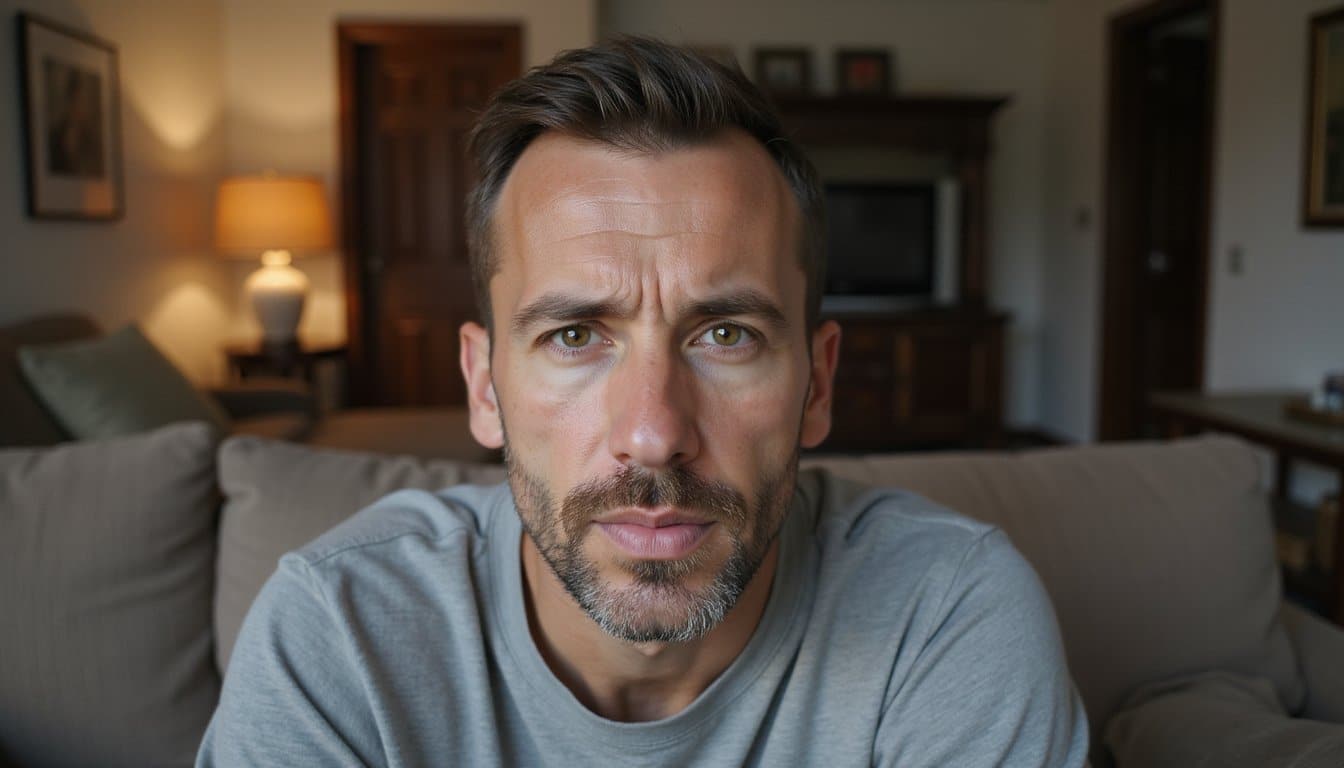
When addiction goes untreated, it doesn’t remain static, it follows a predictable pattern of escalation that affects your brain, behavior, and ability to function. What starts as experimentation quickly shifts into regular use, where substances become embedded in your routine during stress or social situations.
The risks of untreated addiction compound at each stage. As use increases, you’ll notice declining work performance, financial strain, and behavioral changes that are difficult to hide. Your brain’s reward system adapts, demanding more of the substance to achieve the same effect. During this phase, users often engage in compulsive lying about their substance use to conceal the growing problem from those around them.
Addiction worsening without treatment eventually leads to full dependence, where functioning without the substance feels impossible. At this point, voluntary control is severely impaired, and professional intervention becomes critical to prevent crisis-level consequences, including overdose.
What Untreated Addiction Does to Your Body
Because addiction disrupts nearly every biological system, the physical toll of untreated substance use extends far beyond the initial effects you feel. The long term risks addiction untreated creates compound silently, damaging organs before symptoms become obvious. Visible warning signs such as weight changes, fatigue, and altered speech patterns often indicate that significant internal damage has already begun.
The long-term risks of untreated addiction compound silently, damaging organs long before symptoms ever surface.
Untreated drug addiction risks include:
- Vital organ deterioration, your liver, kidneys, and pancreas progressively fail under chronic substance exposure
- Permanent brain damage, neurotransmitter disruption causes irreversible memory loss and cognitive decline
- Cardiovascular collapse, heart disease, stroke, and cardiac damage escalate with continued use
- Immune system suppression, you’re left vulnerable to hepatitis, HIV, and opportunistic infections
- Premature aging, cirrhosis, bone marrow damage, and skin deterioration accelerate beyond your biological age
Each condition worsens without intervention, narrowing your window for recovery.
The Mental Health Spiral of Untreated Drug Use

The damage addiction inflicts doesn’t stop at your organs, it reaches directly into your mental health, creating a cycle that’s extraordinarily difficult to break alone. Nearly half of individuals with serious psychiatric illness also have a co-occurring substance use disorder, and ignoring one condition accelerates the other.
You may use substances to self-medicate anxiety, depression, or trauma. While the dopamine surge feels temporarily positive, it dissipates, leaving you worse than before. The consequences of untreated substance abuse include brain changes that make drugs feel more rewarding, deepening dependence. Among the untreated alcohol addiction dangers, up to 60 percent of people develop major depression, and comorbidity drives higher suicide rates and emergency hospitalizations. Without integrated care, recovery becomes considerably more complex. Early clinical attention is critical to halt the progression of symptoms and prevent further psychological and cognitive damage before it becomes irreversible.
Job Loss, Debt, and Homelessness Without Treatment
Without stable employment, addiction’s financial toll accelerates far faster than most people anticipate. Job loss doesn’t just reduce income, it eliminates health insurance access, making treatment financially unreachable precisely when you need it most.
Losing a job doesn’t just cut your paycheck, it strips away the insurance access that makes recovery possible.
The consequences of not seeking help addiction creates compound rapidly:
- Employment collapse: Missed shifts and declining performance lead to termination, while unemployed populations show notably higher substance abuse rates
- Financial freefall: Household funds redirect toward substances instead of rent, utilities, and essentials
- Medical debt spiral: Emergency hospitalizations and overdose interventions accumulate costs without preventive care
- Housing instability: Addiction ranks among the leading causes of homelessness across major cities
- Support network erosion: Strained relationships eliminate the informal safety nets you’d otherwise rely on
Each factor reinforces the next, creating a self-perpetuating crisis.
Why Untreated Addiction Leads to Overdose and Early Death

When addiction goes untreated, the body doesn’t simply maintain a steady state, it moves toward crisis. Each overdose damages your brain’s white matter through oxygen deprivation, weakens your kidneys, and increases your risk of cardiac arrest. The dangers of not getting addiction treatment compound with every episode, your likelihood of a subsequent overdose rises measurably after each one.
The effects of avoiding rehab extend beyond physical harm. Repeated hypoxic events erode cognitive function, worsen depression, and intensify suicidal ideation. Co-occurring mental health disorders like anxiety and PTSD further elevate your overdose vulnerability, creating a cycle that accelerates toward fatality.
Higher opioid doses and exposure to illicitly manufactured fentanyl introduce unpredictable risks, including rigid chest syndrome. Without intervention, these escalating threats narrow your window for recovery.
Frequently Asked Questions
Can Untreated Addiction Increase Your Risk of Contracting HIV or Hepatitis?
Yes, untreated addiction greatly increases your risk of contracting HIV and hepatitis. If you inject drugs and share needles, you’re directly exposed to bloodborne pathogens, approximately 64% of injection-drug users become chronically infected with hepatitis C. Substance use also impairs your judgment, leading to unprotected sexual contact that raises transmission risk. Additionally, drugs like cocaine can activate HIV replication and accelerate disease progression, compounding the danger when you delay seeking treatment.
How Does Untreated Addiction Lead to Criminal Behavior and Legal Consequences?
Untreated addiction impairs your judgment and lowers your inhibitions, making you considerably more likely to engage in violent, risky, or illegal behavior. Up to 50% of crimes are committed under the influence of substances. As financial desperation grows, you may turn to theft to fund your addiction. You’re also at greater risk of becoming a victim of crime yourself, creating a devastating cycle that treatment can help break.
What Happens to Your Relationships When Addiction Goes Untreated?
Untreated addiction gradually erodes your closest relationships through broken trust, dishonesty, and emotional withdrawal. You’ll find communication replaced by conflict, defensiveness, and avoidance. Financial instability from hidden spending and job loss creates deeper tension. Your emotional availability fades as substance use takes priority over shared commitments, parenting, and intimacy. Partners feel neglected and overwhelmed, carrying burdens alone. These repeated cycles of deception and disappointment make rebuilding trust increasingly difficult without professional intervention.
Is It Possible to Recover From Addiction Without Professional Rehab Treatment?
While some people do stop using substances on their own, addiction physically changes your brain’s structure and function, making solo recovery extremely challenging. You’re facing compulsive cravings, withdrawal symptoms, and often co-occurring mental health conditions that require specialized care. Without professional support, you’re markedly more vulnerable to relapse. If you have a family history of addiction or started using early, your chances of sustained recovery without treatment decrease considerably.
How Does Untreated Addiction Specifically Affect Adolescents Compared to Adults?
Untreated addiction affects you more severely during adolescence because your prefrontal cortex hasn’t fully developed, leaving decision-making and impulse control compromised. Your brain’s heightened plasticity means substances can fundamentally rewire neural pathways, increasing long-term dependence risk. You’re also more likely to self-medicate underlying depression, anxiety, or trauma, creating a cycle that’s harder to break. Unlike adults, you may not recognize withdrawal symptoms, allowing addiction to worsen before anyone intervenes.