Medication-Assisted Treatment (MAT) combines FDA-approved medications with counseling and therapy to treat substance use disorders, primarily opioid and alcohol use disorder. You’ll receive medications like methadone, buprenorphine, or naltrexone, which reduce cravings, ease withdrawal, and block euphoric effects. This whole-person approach stabilizes your brain function while therapy addresses addiction’s psychological drivers. Evidence shows MAT cuts opioid-related mortality by up to 50%. Understanding how each medication works reveals why MAT proves so effective.
What Does MAT Actually Mean?
MAT stands for Medication-Assisted Treatment, though you’ll also see it written as Medications for Addiction Treatment depending on the clinical context. At its core, medication-assisted treatment combines FDA-approved medications with counseling and therapy to treat substance use disorders, particularly opioid use disorder and alcohol use disorder. It’s an evidence-based, whole-person approach, meaning you’re not treated with medication alone.
The phrase itself explains the model. The “medication” component addresses the physical and biological aspects of addiction. “Assisted treatment” signals that medication is one part of a broader plan, supporting, not replacing, your counseling, behavioral therapies, and peer support. These medications work by normalizing brain chemistry and blocking the euphoric effects of opioids and alcohol.
You’ll also encounter newer terms. Some organizations now prefer MOUD for opioid use disorder and MAUD for alcohol use disorder, but each describes the same general approach: medication plus therapy.
How MAT Works to Treat Addiction
Understanding the model is one thing; understanding the mechanism is another. MAT works by targeting your body’s physical dependence first, especially in early treatment when withdrawal symptoms peak. Medications like methadone and buprenorphine prevent or lessen opioid withdrawal, while naltrexone blocks opioid effects, reducing the reinforcement that drives continued use. By easing cravings, MAT removes one of the strongest triggers for relapse.
These medications help reestablish normal brain function, correcting the chemical imbalances tied to addiction and making your brain feel more balanced. Once your physical state stabilizes, you can focus on the deeper work of recovery.
That’s why MAT pairs medication with counseling, behavioral therapies, and peer support. Addressing both physical dependence and learned behaviors lowers your relapse risk and improves long-term outcomes.
FDA-Approved Medications Used in MAT
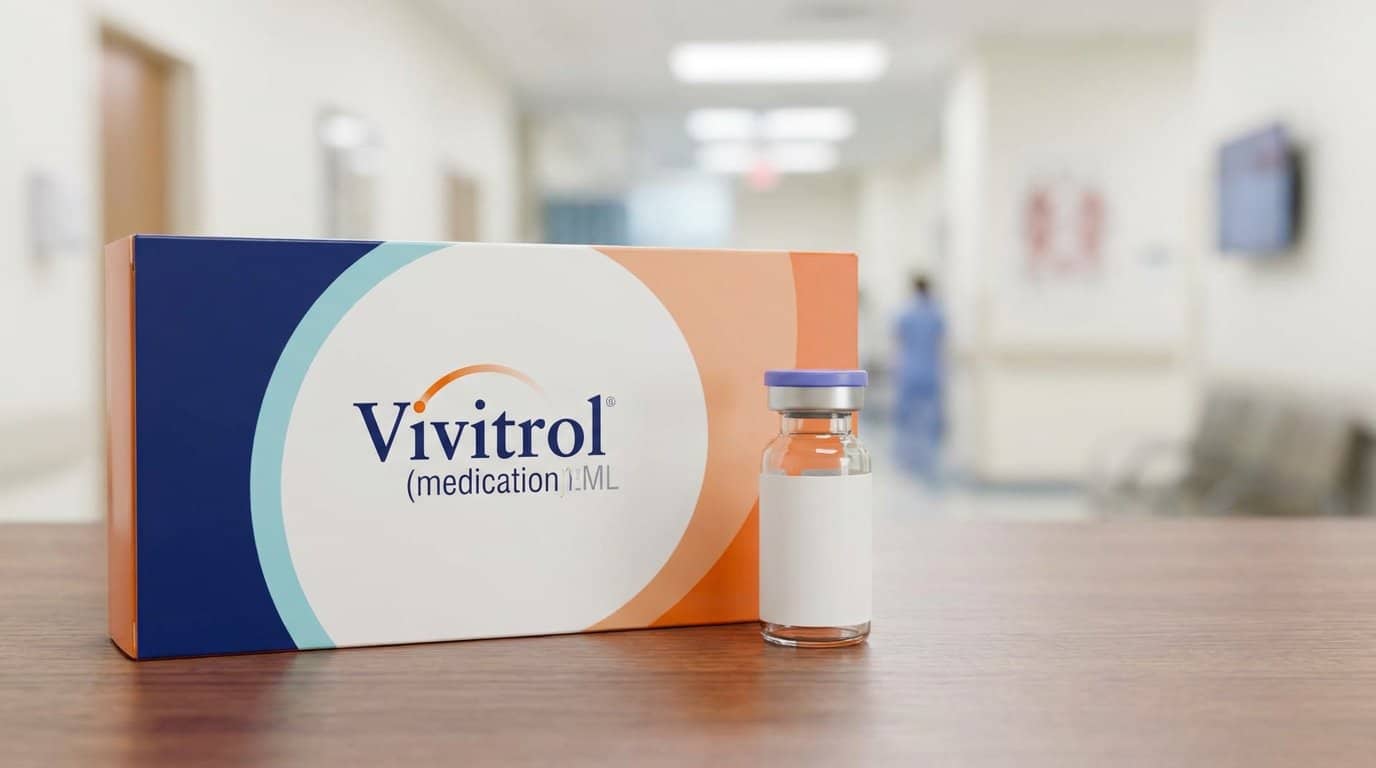
Because effective treatment depends on the right medication, the FDA has approved specific drugs for distinct conditions. For opioid use disorder, you’ll find three core medications: methadone, buprenorphine, and naltrexone. Methadone, a Schedule II opioid agonist approved in 1972, reduces withdrawal and cravings within regulated treatment programs. Buprenorphine, a Schedule III partial agonist approved in 2002, can be prescribed in office-based settings, expanding access. Naltrexone, an opioid antagonist available orally or as the extended-release injectable Vivitrol, blocks opioids’ euphoric effects. These medications, evaluated and approved by the Center for Drug Evaluation and Research, may require REMS when serious safety concerns exist.
For alcohol use disorder, the FDA has approved acamprosate, disulfiram, and naltrexone. Lofexidine treats acute opioid withdrawal but isn’t long-term OUD therapy. Each addiction medication serves a specific purpose, so your clinical team selects the option matching your condition and recovery goals.
Beyond Opioids: How MAT Treats Alcohol and Tobacco
While opioid treatment dominates most MAT discussions, the same evidence-based approach treats alcohol and tobacco use disorders just as effectively. For alcohol use disorder, you’ll find naltrexone and acamprosate as first-line options, naltrexone blocks the opioid receptors driving alcohol’s rewarding effects, while acamprosate reduces cravings after detox. This approach reduces heavy drinking and increases days of abstinence. For tobacco dependence, medications pair with behavioral treatment to improve quit rates beyond minimal intervention.
| Alcohol Use Disorder | Tobacco Use Disorder |
|---|---|
| Naltrexone | Nicotine replacement therapy |
| Acamprosate | Varenicline |
In both cases, medication alone isn’t enough. You’ll need counseling or psychosocial support paired with these prescriptions to address craving and withdrawal together, a whole-patient approach that major medical organizations recognize as evidence-based and effective.
Is MAT Just Swapping One Drug for Another?
You might assume that taking methadone or buprenorphine just trades one drug for another, but the clinical evidence says otherwise. When prescribed at therapeutic doses and clinically supervised, these medications stabilize your brain chemistry without producing the high associated with misuse. You’re treating a chronic medical condition in a controlled way, not feeding an active addiction.
No High When Prescribed
Although it’s a common assumption, taking MAT medication as prescribed won’t get you high. These medications work at therapeutic doses meant to stabilize you, not at intoxication doses that produce euphoria. Methadone and buprenorphine are long-acting medications, so when you take them as directed, they don’t deliver the rush you’d get from heroin or other fast-acting opioids.
Instead, they help normalize your brain chemistry and relieve cravings without the negative effects tied to opioid misuse. The slow onset and stable effect are key differences. Fast-acting opioids create a rapid rush followed by a crash, which drives the cycle of misuse. MAT medications interrupt that pattern by reducing cravings and withdrawal symptoms steadily, giving you the foundation you need for recovery work in therapy.
Clinically Supervised, Not Misused
One of the most persistent myths about MAT is that it simply trades a street drug for a prescribed one. That misconception ignores how the treatment actually works. When you receive MAT, licensed healthcare providers prescribe and monitor FDA-approved medications, adjusting doses and building an individualized plan around your needs. This is structured medical care, not unsupervised substitution.
The clinical goal is stabilization, not intoxication. Methadone and buprenorphine relieve withdrawal and cravings while normalizing brain and body function, and naltrexone blocks euphoric effects entirely. Under supervision, these medications are safe and effective, not uncontrolled replacements for illicit substances.
Federal and clinical guidance recognizes MAT as a first-line treatment for opioid use disorder, not a temporary crutch or a swap of one addiction for another.
The Counseling and Therapy That Power MAT
Because medication alone can’t resolve the psychological and emotional drivers of addiction, counseling forms the second half of every MAT protocol. Under federal law, you’re required to receive counseling as part of a thorough treatment plan. Therapy equips you with tools to manage thoughts, emotions, and behaviors in healthier ways, and it’s directly tied to better outcomes, patients receiving therapy show markedly lower rates of buprenorphine attrition.
Counseling completes what medication begins, giving you the tools to address addiction’s psychological roots and stay in recovery.
Your program may integrate several evidence-based approaches:
- Cognitive Behavioral Therapy (CBT) helps you identify triggers and change unhelpful thought patterns.
- Community Reinforcement Approach (CRA) reinforces positive behaviors and reduces exposure to misuse triggers.
- Motivational Enhancement (ME) increases your engagement by focusing on personal goals and values.
Group sessions add peer support throughout recovery.
The Real Benefits and Outcomes of MAT
When you start MAT, the medications relieve withdrawal symptoms and reduce the cravings that often drive relapse, giving you a more stable foundation for recovery. That stability matters: agonist medications like methadone and buprenorphine are associated with an estimated 50% reduction in mortality among people with opioid use disorder. By easing cravings and lowering overdose risk, MAT directly addresses two of the most dangerous threats you face in early recovery.
Reducing Cravings And Relapse
Cravings drive much of the relapse cycle in addiction, and MAT targets them directly. By reducing withdrawal intensity and lowering cravings, MAT steadies your brain chemistry enough to make intense urges manageable. This frees your attention for the deeper work of therapy and recovery.
Three FDA-approved medications work in distinct ways:
- Methadone reduces cravings, prevents withdrawal symptoms, and blocks euphoric effects from other opioids, discouraging relapse.
- Buprenorphine reduces cravings while minimizing uncomfortable withdrawal symptoms.
- Naltrexone blocks opioid effects and may suppress cravings, reducing the reinforcing value of use.
Preventing Overdose Risk
Beyond steadying brain chemistry and easing cravings, MAT delivers a measurable survival benefit: it keeps people alive. Methadone and buprenorphine cut your risk of fatal overdose by up to 50%, protecting you even during periods of continued use. By maintaining a steady tolerance, these medications prevent the overdose fatalities that follow unpredictable illicit dosing. They also eliminate your need to source opioids illegally, removing exposure to contaminated, high-potency street supplies.
Staying in treatment matters. Retention in MAT correlates with substantial reductions in all-cause mortality, while leaving abruptly sharply increases your overdose risk. That’s why long-term maintenance outperforms short-term detox for survival. When you remain engaged, MAT blocks the euphoric effects of opioids, lowering both the appeal and the danger of subsequent overdose events.
Call Today and Explore Safer Recovery Options
Medication-assisted recovery can offer powerful support when guided by the right professional team. At The Villa Treatment Center in Woodland Hills, CA, our caring professionals provide trusted Medication Management and Support with understanding and a plan shaped around you. Call +1-818-639-7160 today and take the first step toward lasting recovery.
Frequently Asked Questions
How Long Does Someone Typically Stay on MAT?
There’s no fixed timeline, because your treatment length depends on your dependence severity, medication, response, and support systems. Some programs last 1 to 3 months, but many patients stay months, 1 to 2 years, or longer. Longer treatment generally improves outcomes, especially for opioid use disorder. You won’t stop on a preset date. Instead, your clinician considers tapering once you’ve sustained abstinence, your cravings have diminished, and your support’s solid.
Is MAT Covered by Insurance or Medicaid?
Yes, MAT is often covered by insurance and Medicaid. Private insurance, Medicaid, and Medicare all commonly cover opioid use disorder treatment, and ACA-compliant marketplace plans must include substance use disorder care as an essential benefit. Coverage typically spans both medication and counseling. However, covered doesn’t mean free, you may still owe deductibles, copays, or face prior authorization. Since plan-specific benefits vary, you’ll want to verify details with your insurer and provider first.
Can I Start MAT While Still Using Substances?
Yes, you can often start MAT while still using substances, especially for opioid use disorder. Buprenorphine and methadone reduce cravings and withdrawal even when use is ongoing, so you don’t have to wait for complete abstinence. Naltrexone is different, it requires detox first, since it can trigger withdrawal if opioids remain in your system. Your care team will assess your substance use, health, and withdrawal status to start treatment safely. Call (818) 639-7160.
Are There Side Effects From MAT Medications?
Yes, but they’re typically temporary and manageable. With methadone and buprenorphine, you might experience constipation, nausea, drowsiness, sweating, or sleep changes, both are opioid medications, so they share these effects. Naltrexone works differently because it blocks opioid effects. Most side effects ease over time, and your medical team monitors you closely since these symptoms can overlap with withdrawal. Call (818) 639-7160 to discuss what’s right for you.
Can Pregnant Women Safely Receive MAT?
Yes, you can safely receive MAT during pregnancy. In fact, it’s the standard of care for opioid use disorder. Doctors recommend methadone or buprenorphine plus behavioral therapy, since these medications are generally safe for your baby and improve both maternal and newborn outcomes. Untreated addiction poses greater risks than properly managed MAT. Your dose needs close monitoring, and you should continue treatment after delivery rather than stopping abruptly.