Your body hurts after drinking because alcohol triggers multiple physiological assaults simultaneously. Ethanol suppresses antidiuretic hormone, causing rapid dehydration that depletes fluid from muscles and joints. Your liver converts alcohol into acetaldehyde, a toxic compound that directly damages muscle tissue and impairs contraction efficiency. Meanwhile, alcohol disrupts your gut barrier, releasing pro-inflammatory cytokines that cause systemic inflammation. Understanding each mechanism reveals why hangovers affect your entire body, and what you can do about it.
How Alcohol Dehydrates Your Body and Causes Pain
When you consume alcohol, your body initiates a cascade of physiological responses that directly lead to dehydration and subsequent pain. Ethanol suppresses antidiuretic hormone, forcing your kidneys to excrete up to four times the fluid volume you’ve ingested. This rapid fluid loss depletes water from muscles, joints, and connective tissues. Alcohol also recalibrates your body’s internal water gauge, making you believe you have adequate hydration when you don’t, which means attempting rehydration during drinking proves ineffective.
The resulting electrolyte imbalance, particularly losses of sodium, potassium, and magnesium, triggers muscle cramps and muscle soreness. Reduced plasma volume decreases oxygen delivery to tissues, intensifying fatigue and joint pain. Simultaneously, vasodilation increases skin blood flow, promoting sweating and additional fluid loss. Additionally, alcohol irritates the digestive system lining, potentially causing fluid loss through vomiting and diarrhea that compounds dehydration.
Your brain experiences dehydration through reduced cerebrospinal fluid, causing headache. These compounding mechanisms explain why even moderate drinking leaves you experiencing widespread body aches the following day.
The Role of Acetaldehyde in Muscle Aches and Fatigue
Your liver breaks down alcohol into acetaldehyde, a toxic byproduct that directly contributes to the muscle pain and exhaustion you experience after drinking. Alcohol dehydrogenase converts ethanol to acetaldehyde, while aldehyde dehydrogenase clears it from your system. When ALDH can’t keep pace with heavy consumption, acetaldehyde accumulates and triggers widespread muscle dysfunction. In alcoholics, hepatic inhibition of ALDH activity keeps blood acetaldehyde levels relatively high, prolonging exposure to this damaging compound.
| Mechanism | Effect on Your Body |
|---|---|
| Oxidative stress | Damages contractile proteins |
| Impaired excitation-contraction coupling | Reduces force generation |
| Disrupted protein synthesis | Prevents muscle repair |
| Inflammation | Amplifies muscle tenderness |
| Severe toxicity | Causes rhabdomyolysis |
Acetaldehyde directly inhibits calcium release channels in your muscles, undermining contraction efficiency and causing profound muscle fatigue. The resulting oxidative damage sensitizes pain receptors, explaining why your muscles ache intensely after drinking. Additionally, alcohol causes dehydration, which further impairs muscle function and slows the recovery process. To alleviate these effects, it’s crucial to stay hydrated and replenish electrolytes before, during, and after alcohol consumption. Incorporating anti-inflammatory foods into your diet can also help mitigate muscle discomfort. For those seeking relief, consider these tips for reducing post drinking aches.
Inflammation and Your Immune System’s Response to Alcohol
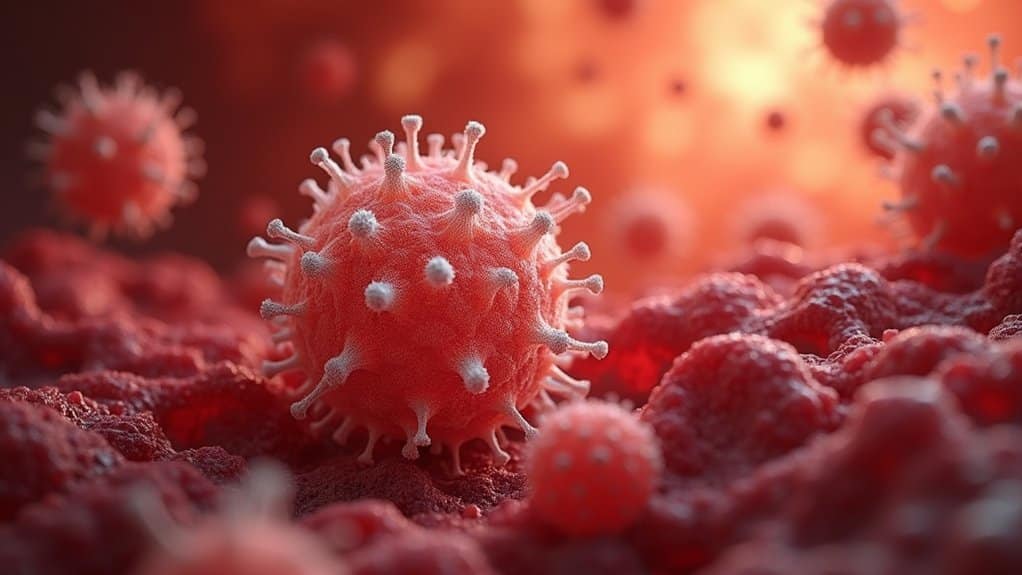
Though acetaldehyde toxicity explains much of your post-drinking muscle pain, alcohol’s assault on your immune system creates a parallel inflammatory cascade that amplifies body aches. When you drink, alcohol disrupts your gut barrier, creating leaky gut conditions that allow toxic bacteria to enter your bloodstream. This triggers systemic inflammation as your body releases pro-inflammatory cytokines including TNF-α, IL-1, and IL-6.
Your immune system responds chaotically. Alcohol causes considerable immune cell dysfunction, impairing neutrophils, macrophages, and T cells while elevating C-reactive protein levels, a key inflammation marker. This alcohol-induced immune suppression paradoxically coexists with heightened inflammatory responses throughout your tissues. The damage to your gut is particularly concerning because alcohol disrupts the critical communication between your gut microbiome and your intestinal immune system.
The consequences extend beyond immediate discomfort. Systemic inflammation damages organs and substantially delays tissue injury recovery, explaining why your muscles feel battered long after your last drink. This chronic inflammatory response is particularly concerning because the World Health Organization ranks chronic inflammatory diseases as the greatest risk to human health.
Why Your Head Pounds After a Night of Drinking
Beyond the systemic inflammation affecting your muscles and tissues, alcohol launches a targeted assault on your brain’s blood vessels that produces the characteristic pounding headache. Ethanol triggers vasodilation, expanding blood vessels and elevating blood pressure, which creates that throbbing sensation. Simultaneously, your brain experiences glutamate rebound, after alcohol suppresses this neurotransmitter, levels surge during metabolism, firing neurons and intensifying pain. Alcohol also causes pain signaling neurons to fire at an increased rate, releasing CGRP and amplifying discomfort.
Congeners, chemical byproducts in alcoholic beverages, directly provoke migraines in susceptible individuals. Red wine contains histamine and tyramine, compounds that stimulate inflammation and trigger headaches even in small quantities. Alcohol also stimulates the immune system to produce additional histamine, further increasing inflammatory responses throughout the body.
You’ll experience two distinct patterns: immediate headaches occurring within 30 minutes to three hours of drinking, and delayed alcohol-induced headaches emerging the following morning. Research indicates 95% of drinkers experience alcohol-induced headaches, with 10% suffering regular migraines from consumption.
Blood Sugar Drops and Their Effect on Physical Discomfort
While your liver prioritizes breaking down alcohol, it simultaneously diverts critical enzymes away from gluconeogenesis, the process that maintains steady blood sugar levels. This disruption in glucose production suppresses hepatic glucose release, potentially triggering hypoglycemia hours after drinking. Eating a meal with carbs before or while drinking can help balance this glucose drop and reduce physical symptoms.
Alcohol metabolism creates a cascade of physical symptoms tied directly to impaired glucose regulation:
- Shakiness and tremors develop as your muscles lose their primary fuel source
- Muscle fatigue and weakness intensify when circulating glucose drops below ideal levels
- Heightened muscle soreness occurs because energy-depleted tissues struggle to recover
Repeated episodes of alcohol-induced blood sugar instability contribute to metabolic dysregulation and increased insulin resistance over time. This pattern amplifies your body’s inflammatory response and worsens physical discomfort, creating a compounding cycle that makes each hangover progressively more debilitating. Chronic alcohol use can also impair wound healing, meaning minor muscle tears and tissue damage from daily activities take longer to repair. Moreover, the cumulative effects of such metabolic disturbances may necessitate intervention through medical detoxification programs, which can help stabilize blood sugar levels and restore metabolic balance. These programs often provide critical support in managing withdrawal symptoms and can facilitate a smoother transition toward healthier lifestyle choices.
The Pain Your Body Feels After Drinking Is a Warning You Should Not Ignore
Body pain after drinking alcohol is not simply an inconvenience but a direct signal that alcohol is inflicting real damage on your muscles, joints, nerves, and overall physical health. Alcohol triggers widespread inflammation, depletes magnesium and other essential minerals that support muscle function, dehydrates the body at a cellular level, and disrupts the nervous system in ways that leave you feeling sore, stiff, and completely worn out even after moderate drinking. For those who drink regularly, this pain rarely stays the same and tends to intensify over time, often pointing to a level of dependence that the body can no longer quietly absorb without serious consequences. Medical detox services at Woodland Hills Rehab provide safe, compassionate, and medically supervised care to help your body heal from the effects of alcohol and begin the path toward lasting recovery. Call +1-818-639-7160 for a confidential consultation and take the first step toward feeling whole again today.
Frequently Asked Questions
How Long Do Body Aches Typically Last After a Night of Heavy Drinking?
Your body aches typically last 18, 24 hours after heavy drinking, though you’ll likely notice them starting 6, 8 hours after your last drink as your blood alcohol level drops. They’ll peak when your BAC approaches zero. If you’ve stayed well-hydrated, you can shorten this window by 25, 35%. However, if you’ve engaged in multiple heavy drinking sessions, cumulative inflammation may extend your discomfort beyond the standard 24-hour recovery period.
Can Drinking Alcohol Worsen Existing Muscle Injuries or Chronic Pain Conditions?
Yes, alcohol can substantially worsen existing muscle injuries and chronic pain conditions. When you drink, you suppress muscle protein synthesis and impair fiber repair, extending your recovery time. Alcohol increases oxidative stress and inflammatory responses in damaged tissue while depleting essential nutrients needed for healing. If you’re managing chronic musculoskeletal conditions, you’ll likely experience heightened pain and weakness, as alcohol-induced myopathy affects over 50% of heavy drinkers.
Does the Type of Alcohol You Drink Affect How Much Your Body Hurts?
Yes, the type of alcohol you drink does influence your body pain. Dark spirits like bourbon contain up to 30 times more congeners, fermentation byproducts, than clear options like vodka, and research shows they produce considerably worse hangover symptoms, including headache and malaise. Wine consistently ranks highest for overall hangover severity. However, you can’t fully escape discomfort through beverage choice alone; ethanol dose remains the primary driver of next-day pain.
Why Do My Joints Specifically Ache More Than My Muscles After Drinking?
Your joints ache more than your muscles because they’re uniquely vulnerable to alcohol’s effects. Synovial fluid, which lubricates your joints, depends heavily on hydration that alcohol depletes. Unlike muscles, cartilage can’t regenerate quickly and relies on diffusion for nutrients. Alcohol also triggers inflammatory cytokines that specifically target cartilage, accelerating breakdown. If you have underlying conditions like gout or arthritis, alcohol increases uric acid and amplifies joint inflammation while largely sparing muscle tissue.
When Should I Seek Medical Attention for Body Pain After Drinking Alcohol?
You should seek immediate medical attention if you experience chest pain with shortness of breath, severe abdominal pain radiating to your back, dark or cola-colored urine with muscle weakness, or sudden confusion and difficulty walking. Don’t delay care for persistent burning or numbness in your hands and feet, progressive muscle weakness lasting beyond typical hangover recovery, or joint pain with swelling that prevents weight-bearing. These symptoms indicate potentially serious complications requiring professional evaluation.