
You can achieve sustained remission from depression in up to 80% of cases through combination therapy pairing medication with psychotherapy. Evidence supports cognitive behavioral therapy, mindfulness-based approaches, and second-generation antidepressants as first-line options. Newer medications like Auvelity offer faster relief. Non-pharmacologic interventions work well for mild-to-moderate cases. Your ideal treatment depends on symptom severity, previous response patterns, and personal preferences. Discover which evidence-based option aligns best with your specific situation.
Cognitive Behavioral Therapy

Since cognitive behavioral therapy (CBT) consistently produces medium to large effect sizes in reducing depressive symptoms, it’s become the dominant evidence-based approach and is recommended as first-line treatment across major clinical guidelines. You’ll experience greater than 50% reduction in depression severity through structured, manualized formats spanning 12-16 weeks or intensive five-session protocols.
CBT’s effectiveness enhances with experienced clinicians and adapts to your preferences, delivered individually, in groups, or via computer-assisted platforms with comparable outcomes. The transdiagnostic applications extend beyond depression, addressing related sleep disturbances, quality-of-life impairments, and suicidal ideation within six months. Neuroimaging studies demonstrate that brief computer-assisted CBT produces measurable changes in brain activity patterns comparable to longer treatment formats.
Neurobiologically, CBT modulates brain circuits by increasing amygdala-prefrontal connectivity and heightening dorsolateral prefrontal cortex activity. Your personalized delivery options, combined with CBT’s sustained preventive effects and long-term symptom maintenance, establish it as a robust, accessible treatment choice.
Mindfulness-Based Cognitive Therapy
You’ll find that MBCT operates through an 8-week group format combining mindfulness meditation with cognitive behavioral techniques to shift how you respond to negative thoughts rather than eliminate them. Each week’s sessions train you in present-moment awareness, helping you recognize depressive patterns before they escalate into full episodes. You’re also encouraged to practice mindfulness independently between sessions, with research showing a direct dose-response relationship between your practice time and symptom improvement. Emerging innovations now include VR-based adaptations of MBCT that offer personalized interventions in immersive virtual environments to enhance emotional engagement and accessibility. MBCT has demonstrated particular effectiveness for individuals who have not achieved remission after traditional psychological therapy approaches.
How MBCT Works
Mindfulness-Based Cognitive Therapy operates through several interconnected mechanisms that collectively reduce depression risk and promote sustained emotional well-being. You’ll experience reduced rumination as you disengage from repetitive negative thought patterns. Enhanced mindfulness cultivates nonjudgmental awareness, enabling you to recognize thoughts as mental events rather than facts. Increased self-compassion provides protective buffering against depressive episodes. Neuroplasticity changes strengthen connectivity between your prefrontal cortex and amygdala, supporting emotional regulation. You’ll develop improved coping mechanisms by learning to respond thoughtfully rather than react automatically to distressing experiences. MBCT follows a closely structured 8-week group-based format that ensures consistent delivery of both mindfulness training and cognitive therapy components. Research demonstrates that mindfulness mediates MBCT’s effects on reducing depressive symptoms, making present-moment awareness a key pathway to therapeutic change.
| Mechanism | Your Experience | Clinical Outcome |
|---|---|---|
| Rumination Reduction | Fewer repetitive negative thoughts | Decreased relapse risk |
| Mindfulness Enhancement | Present-moment awareness | Reduced reactivity |
| Self-Compassion Growth | Increased self-kindness | Sustained well-being |
| Neural Strengthening | Enhanced brain connectivity | Long-term symptom improvement |
| Emotion Regulation | Adaptive coping responses | Emotional resilience |
Group Sessions and Practices
Group sessions represent the primary delivery mechanism for MBCT, translating the mechanisms you’ve learned into structured, interactive practice. You’ll engage in guided mindfulness exercises alongside peers, reinforcing skills through shared experience. These groups demonstrate robust efficacy; participants experience a 28% relapse rate versus 52% with standard care, with sustained improvements in depressive symptoms persisting six months post-intervention.
Modern MBCT accommodates diverse delivery models. You can participate in traditional in-person sessions or benefit from online integration, which maintains effectiveness while expanding accessibility. Social worker facilitation has proven equally effective as therapist-led groups, reducing costs and increasing capacity without compromising outcomes. High completion rates, 85% of participants attend six or more sessions, underscore feasibility and adherence. MBCT may address maladaptive thinking patterns that contribute to recurring depressive episodes, providing cognitive restructuring alongside mindfulness practice. Whether delivered conventionally or virtually, group MBCT provides you with practical, evidence-supported tools for relapse prevention and sustained recovery.
Second-Generation Antidepressants
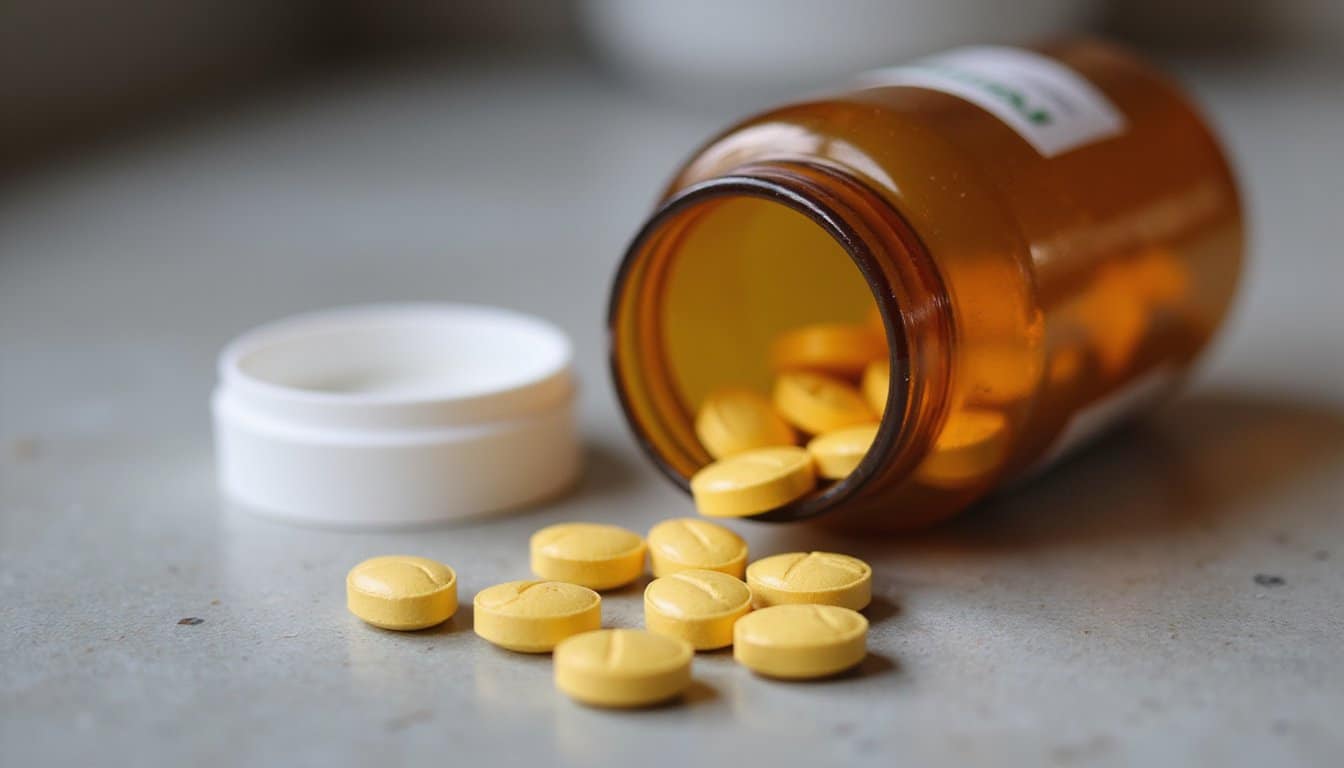
Since their introduction in the 1980s, second-generation antidepressants have become the cornerstone of pharmacological depression treatment, offering improved safety profiles and reduced side effects compared to their predecessors. You’ll find SSRIs and SNRIs dominate clinical practice, with response rates between 50, 70% in acute trials. SSRIs selectively block serotonin reuptake, while SNRIs target both serotonin and norepinephrine, making them particularly effective for severe depression with anxiety. Medication tolerability remains excellent overall, though you may experience gastrointestinal symptoms, sexual dysfunction, or headache. When standard agents prove insufficient, augmentation strategies, such as combining medications or switching to emerging options like Exxua or Zuranolone, provide alternatives. These newer agents offer faster onset and targeted mechanisms for treatment-resistant cases, with innovative approaches such as Auvelity’s dual-action combination of dextromethorphan and bupropion demonstrating enhanced efficacy through multiple pathway modulation. The classification of these medications is based on era of introduction rather than chemical structure, which reflects the diverse pharmacological mechanisms at work across the second-generation class.
Combination Therapy: Medication and Psychotherapy
When you’re managing moderate to severe depression, combining medication with psychotherapy produces synergistic effects that outperform either treatment alone, with sustained response rates reaching 69% compared to 36% for medication monotherapy. You’ll benefit from substantially reduced relapse and recurrence rates, approximately 60% lower risk, with combined approaches, particularly when psychotherapy’s added after initial pharmacological response. This integrated strategy equips you with both neurobiological support and practical coping skills, establishing durable long-term resilience that extends well beyond treatment discontinuation. Psychotherapy also helps patients maintain remission and prevent relapses during the continuation and maintenance phases. The acute treatment phase typically spans 6-12 weeks to induce remission before transitioning to continuation and maintenance phases. Recent machine learning algorithms can now predict which patients will respond best to specific treatments, allowing clinicians to personalize initial treatment selection between psychotherapy and medication to optimize outcomes.
Synergistic Effects of Both
By integrating medication and psychotherapy, you’re leveraging complementary mechanisms that neither treatment modality achieves alone, a synergistic approach that research consistently demonstrates produces superior clinical outcomes. Pharmacotherapy targets neurobiological substrates, while psychotherapy addresses cognitive and psychosocial factors, creating additive benefits through therapeutic synergy.
| Treatment Component | Primary Mechanism | Outcome |
|---|---|---|
| Medication | Neurotransmitter regulation | Symptom reduction |
| Psychotherapy | Cognitive restructuring | Psychological well-being enhancement |
| Combined Approach | Neural activity changes + behavioral modification | Sustained remission (80%) |
| Sequential Model | Acute stabilization → relapse prevention | RR 0.835 for recurrence |
You’ll experience enhanced neural activity changes and psychological well-being enhancement when both modalities work synergistically. This integrated framework particularly benefits moderate-to-severe depression, treatment-resistant cases, and chronic conditions, delivering sustained response rates of 69% compared to 36% with medication alone. Research indicates that monthly interpersonal therapy combined with antidepressant medication helps prevent recurrence of major depression more effectively than either treatment alone. Studies from the Polish EZOP II population demonstrate that approximately 25% of individuals experience mental disorders requiring integrated treatment approaches. Evidence from network meta-analysis indicates that combined treatments address all subtypes of chronic depression more comprehensively than monotherapy approaches.
Superior Outcomes for Severity
The synergistic framework you’ve learned about produces measurably superior outcomes when depression severity increases. For higher baseline severity, combination therapy dramatically outperforms medication alone. At 12-month follow-up, sustained response rates reach 69% with combined treatment versus 36% with pharmacotherapy alone, remission rates similarly favor combination approaches (35% versus 20%).
In severe depression cases, you’ll see pooled relapse risk reduction of 0.60 (95% CI: 0.42-0.85), indicating substantial protective benefits. Response and remission rates consistently exceed monotherapy outcomes, particularly when baseline symptoms are most acute.
Clinical guidelines now recommend combination therapy as the preferred initial approach for greater severity presentations. This evidence-based strategy reduces hospital readmissions and recurrence rates more effectively across 12, 24 months post-treatment, making it the standard for your most symptomatic patients.
Relapse Prevention and Long-Term
As depression severity increases and relapse risk becomes a clinical concern, combination therapy, integrating medication with psychotherapy, demonstrates substantial protective advantages over pharmacotherapy alone. Research shows you’ll experience a 40% relative risk reduction in relapse when combining treatments compared to medication exclusively.
Sequential treatment models offer stage-specific approaches that target your individual response patterns rather than applying rigid protocols. You’ll benefit from psychotherapy following successful medication stabilization, which can enable discontinuation of antidepressants while maintaining gains through enduring psychological benefits.
Long-term data reveals you’re more likely to sustain remission with combination therapy, 69% versus 36% at 12-month follow-up. Your individualized treatment plans should prioritize combination approaches, particularly if you’ve experienced multiple episodes or retain residual symptoms, ensuring ideal relapse prevention outcomes.
Non-Pharmacologic Interventions
When you’re considering treatment options for depression, non-pharmacologic interventions represent a robust set of evidence-based approaches that can be equally effective as medication for many patients. Cognitive Behavioral Therapy (CBT) remains the gold standard, with strong clinical outcomes across diverse populations. CBT typically involves 8-16 sessions delivered either individually or in groups to help challenge negative thoughts and develop coping strategies. You’ll also benefit from Behavioral Activation, which counters withdrawal through structured engagement. Mindfulness-Based Interventions offer relapse prevention, while exercise programs demonstrably improve mood through physiological mechanisms. Community-based interventions reduce isolation and enhance social connectedness, critical factors for recovery. Digital platforms and low-intensity guided self-help expand accessibility. You can combine these modalities, pairing psychotherapy with mindfulness practices or exercise, to optimize outcomes. Your treatment plan should align with your preferences, severity level, and cultural context, ensuring sustainable engagement and long-term benefit.
Emerging Treatments and Novel Therapies
If you’ve exhausted conventional antidepressant options or experienced inadequate response to standard therapies, emerging treatments and novel therapies offer scientifically validated alternatives that target depression through innovative mechanisms. Psychedelic-assisted therapies, including MDMA and psilocybin, demonstrate remarkable efficacy in treatment-resistant depression through FDA approval and Phase 3 trials. Rapid-acting antidepressant innovations like esketamine (Spravato) and hydroxynorketamine provide swift symptom relief without traditional delays. Neurosteroids, including zuranolone advance through clinical trials, offering robust outcomes. Additionally, Stanford’s Accelerated Intelligent Neuromodulation Therapy (SAINT) achieves 79-80% one-month remission rates by precisely targeting brain regions within five days. These evidence-based approaches collectively represent paradigm shifts in depression management, addressing previously intractable cases through distinct neurobiological mechanisms and personalized intervention strategies.
Choosing the Right Treatment for Your Needs
Finding the right depression treatment requires careful assessment of your individual circumstances, including symptom severity, depression subtype, personal preferences, and practical constraints.
Screening tools like the PHQ-9 help clinicians match treatment intensity to your needs. Your patient preferences greatly influence engagement and outcomes, making shared decision-making essential. Consider these factors:
- Clinical presentation: Mild-to-moderate depression responds well to psychotherapy or non-pharmacologic interventions, while severe cases typically benefit from combination therapy.
- Treatment history: Your previous medication response and comorbidities inform ideal modality selection.
- Accessibility: Provider availability, cost, insurance coverage, and convenience directly impact your treatment adherence and success.
Psychotherapy and antidepressants demonstrate comparable efficacy for moderate symptoms. Regular monitoring with objective rating tools guarantees timely adjustments, optimizing your recovery trajectory.
Frequently Asked Questions
How Long Does It Typically Take to Notice Improvement With Depression Treatment?
You’ll typically notice initial improvements within 2, 4 weeks of starting treatment, though substantial symptom relief usually emerges by 6, 8 weeks. Rapid-acting options like esketamine show effects within 24 hours. Your time to symptom remission varies depending on treatment type and severity. Combined medication and psychotherapy approaches often accelerate response. For likelihood of relapse prevention, sustained treatment, whether pharmacologic or psychotherapeutic, significantly enhances long-term stability and recovery durability.
Are There Genetic or Biomarker Tests to Predict Which Treatment Will Work Best?
Yes, you can now access pharmacogenomic testing and blood biomarker panels to predict treatment response. Pharmacogenomic tests identify how your genetics affect medication metabolism, while biomarker panels measure inflammatory markers, growth factors, and genetic variants like ANK3. These tests help clinicians match you with antidepressants you’re most likely to tolerate and respond to, potentially reducing trial-and-error treatment and accelerating your recovery timeline.
What Should I Do if My First Treatment Choice Doesn’t Work Effectively?
If your first antidepressant isn’t working, you shouldn’t hesitate in switching treatment options. After 4, 6 weeks at an adequate dose, consult with your healthcare provider about changing medications or adding augmentation strategies like lithium or atypical antipsychotics. You’ll also benefit from combining pharmacotherapy with evidence-based psychotherapy such as CBT or IPT. Your provider can adjust your approach systematically, monitoring progress with standardized rating scales to optimize your outcomes effectively.
Can Depression Treatments Be Safely Combined With Other Medications I’m Currently Taking?
You can safely combine depression treatments with other medications, but you’ll need careful evaluation of potential medication interactions and contraindications. Your healthcare provider should review all your current drugs to minimize risks, especially with beta-blockers, anticoagulants, or other psychotropics. Certain antidepressants like citalopram have fewer interactions than others. Professional oversight guarantees proper dosing adjustments and monitoring, preventing adverse effects and optimizing your therapeutic outcomes.
How Do I Know if My Depression Requires Hospitalization or Crisis Intervention?
You’ll need hospitalization or crisis intervention if you’re experiencing active suicidal ideation, self-harm urges, or inability to care for yourself. Recognizing severity indicators like psychotic symptoms, severe functional impairment, or failed outpatient treatment signals escalated need. You’re facing a psychiatric emergency if you’ve developed concrete suicide plans or pose danger to others. When you recognize these warning signs, seeking immediate professional help through emergency services or a crisis hotline is essential.