
You’ll find that traversing depression treatment requires understanding your options: CBT offers structured, evidence-based cognitive shifts; medications like SSRIs provide biological support with 50% experiencing meaningful improvement; ketamine delivers rapid relief for treatment-resistant cases; and mindfulness-based approaches guarantee long-term relapse prevention. The most effective path isn’t one-size-fits-all, it’s personalized to your unique brain chemistry, symptoms, and circumstances. Precision psychiatry now uses biomarkers and digital tracking to match you with interventions addressing your specific depression mechanisms, revealing which combination works best for your recovery.
Understanding Cognitive Behavioral Therapy as a Foundation for Depression Treatment

When you’re struggling with depression, CBT offers a structured, time-limited approach that targets the thought patterns and behaviors maintaining your low mood. This collaborative therapy emphasizes identifying and modifying negative thoughts to shift your emotional responses and behaviors. Notably, CBT demonstrates enduring protective effects against relapse and recurrence even after treatment concludes.
You’ll work with your therapist on cognitive restructuring and behavioral activation, with homework reinforcing what you learn in sessions. Research demonstrates CBT’s effectiveness; 42% of patients show significant response compared to 19% in control groups, with 36% achieving remission. The number needed to treat is 4.7 patients, meaning fewer individuals require treatment to achieve one successful outcome compared to control conditions. Problem-solving therapy, a specific form of CBT, achieves notably higher response rates of 32% in patients with depression and obesity who typically show poor medication response.
Therapist expertise requirements are essential; experienced clinicians deliver superior outcomes, especially for severe depression. Multiple formats, individual, group, telehealth, and guided self-help, prove equally effective for optimizing treatment acceptability based on your preferences. When combined with medication, success rates reach 85%, offering you flexible pathways toward sustainable recovery.
Medication-Based Approaches and Their Proven Effectiveness
While CBT provides a structured psychological framework for managing depression, antidepressant medications offer a complementary biological approach that can accelerate symptom relief and prevent relapse. SSRIs like escitalopram and sertraline are first-line choices due to their favorable side effect profiles and effectiveness for moderate to severe depression.
You’ll find that approximately 50 out of 100 people experience meaningful improvement within 6, 8 weeks. Medication dosage optimization requires patience and close monitoring with your healthcare provider to find your therapeutic window. Patient medication adherence extensively impacts outcomes; consistent use reduces relapse risk from 50% to 23% over one to two years. The most common adverse effects leading to discontinuation are nausea and vomiting, which occur more frequently in SNRI patients compared to SSRI patients. Initial side effects may improve over time as your body adjusts to the medication.
Combining medication with psychotherapy yields superior results compared to either treatment alone, giving you an inclusive strategy for sustained recovery. Research comparing 21 different antidepressants found that all medications were more effective than placebo, though individual response varies significantly based on personal tolerability and biological factors.
Ketamine and Emerging Rapid-Acting Therapies
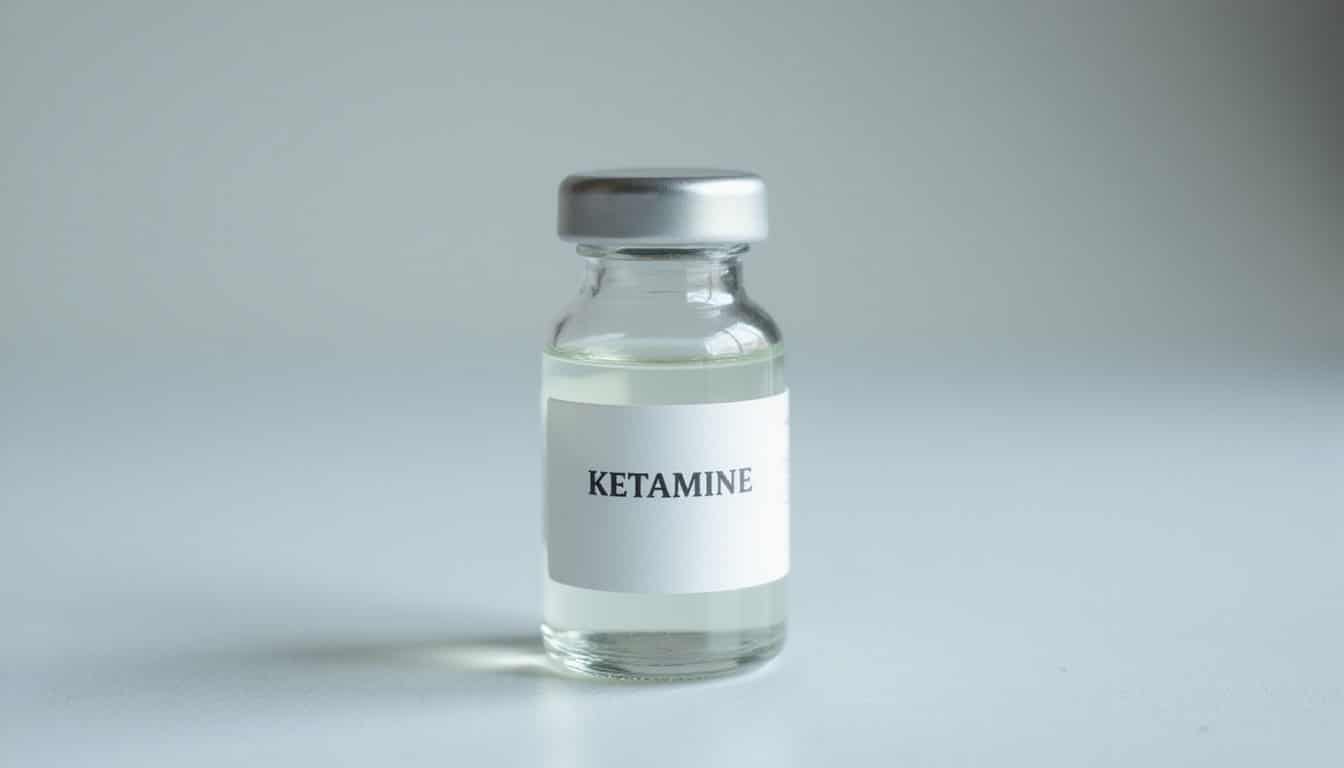
For treatment-resistant depression that hasn’t responded to conventional antidepressants, ketamine offers a distinctly different mechanism of action with remarkably fast results. You’ll likely experience considerable symptom relief within hours of your third or fourth infusion, with response rates reaching 60-70% across studies.
If you’re struggling with persistent suicidal ideation or severe depression, ketamine can provide dramatic relief where other treatments have failed. Special patient populations, particularly those with comorbid anxiety, show substantial benefits. The largest randomized trial demonstrated 55% sustained improvement with ketamine versus 41% with ECT. Unlike ECT, ketamine is not associated with memory loss or significant adverse effects beyond transient dissociation.
You’ll experience transient dissociation during treatment, though side effects subside within an hour. Importantly, ketamine maintenance protocols extend your time-to-relapse extensively compared to single-dose approaches. In clinical studies, repeated ketamine doses over two weeks produced significant reduction in symptom severity across multiple depression and anxiety rating scales. Ketamine works by affecting glutamate and GABA, the key neurotransmitters involved in mood regulation and neural signaling. While not first-line therapy, ketamine represents a powerful option for acute crisis or refractory cases.
Mindfulness-Based Cognitive Therapy for Long-Term Symptom Management
Ketamine and rapid-acting interventions excel at crisis management, but sustaining recovery requires a different approach. Mindfulness-Based Cognitive Therapy (MBCT) offers precisely that, long-term relapse prevention through accessible self-help formats and cost-effective delivery models.
You’ll benefit from MBCT’s proven mechanisms: it reduces depressive rumination while increasing mindfulness and self-compassion. These gains persist beyond treatment, with relapse rates comparable to or better than CBT.
MBCT works through shifting your relationship with negative thoughts, fostering non-judgmental awareness that sustains symptom management over months. Whether you engage through group sessions or practitioner-supported self-help, you’ll access evidence-based care efficiently. Research demonstrates that MBCT and CBT show similar efficacy in reducing Major Depressive Disorder symptoms across treatment phases.
Research confirms MBCT’s cost-effectiveness exceeds 95% probability versus standard alternatives. For chronic or residual depression, you’re looking at a scalable, safe intervention integrating naturally into primary care services.
Precision Psychiatry and Personalized Treatment Selection
As depression’s complexity becomes increasingly evident through research, the limitations of standard treatment protocols grow harder to ignore. You’re discovering that precision psychiatry fundamentally reshapes how you receive care through:
As depression’s complexity becomes evident, precision psychiatry reshapes care through biomarkers, digital phenotypes, and targeted neural interventions.
- Biomarker integration, Your genetic profile, immune markers, and neuroimaging data guide medication selection rather than trial-and-error approaches
- Digital phenotypes, Real-time lifestyle and symptom tracking personalizes your treatment trajectory
- Neural circuit biotypes, Identifying your specific brain circuit dysfunction enables targeted interventions like TMS or tailored therapy
Your clinician now matches you with interventions addressing your underlying mechanisms. This individualized approach, combining pharmacotherapy, cognitive-behavioral therapy, and complementary treatments, produces superior outcomes compared to conventional protocols. You’re not fitting into predetermined categories; your treatment plan reflects your unique biology and circumstances. However, biomarkers often remain at the correlational level without establishing the causal mechanisms that drive your specific depression presentation. Genome-wide association studies reveal specific genetic variants that predict your individual response to different depression therapies, further refining treatment selection beyond traditional symptom-based approaches. Integration of systems biology approaches reduces the risk of misinterpreting isolated biomarker findings and ensures your treatment plan accounts for complex interactions across multiple biological systems.
Frequently Asked Questions
What Percentage of Depression Cases Remain Treatment-Resistant Despite Conventional Therapy Approaches?
You’ll find that approximately 30.9% of medication-treated depression cases remain treatment-resistant in the United States. When you’ve exhausted conventional therapy approaches, you’re facing substantial treatment failure rates, ranging from 12% to 55% depending on clinical definitions. Don’t lose hope; you’ve got alternate medication approaches available, including combination therapies and specialized interventions. Understanding your individual treatment failure pattern helps you and your clinician identify the most effective path forward toward recovery.
How Do Genetic and Biomarker Testing Improve Treatment Outcomes Compared to Standard Trial-And-Error Methods?
You’ll experience greatly improved outcomes with genetic and biomarker testing compared to standard trial-and-error prescribing. By analyzing your CYP2D6 and CYP2C19 variants, you’ll receive personalized drug dosing tailored to your metabolic profile. These targeted genetic interventions help you achieve remission rates 41-78% higher than conventional approaches, reduce adverse effects considerably, and minimize discontinuation due to side effects. You’re fundamentally getting precision medicine that works.
What Accessibility Barriers Prevent 25% of US Adults With Mental Illness From Receiving Care?
You face multiple obstacles preventing access to depression treatment. Insurance coverage gaps leave you paying $100, $200 per session out-of-pocket, while “ghost networks” force expensive out-of-network care. Stigma and discrimination discourage you from seeking help due to confidentiality fears and job loss concerns. Additionally, you’re contending with severe provider shortages; 51% of counties lack psychiatrists, creating three-month waiting lists. These structural, financial, and psychosocial barriers collectively prevent millions like you from accessing essential mental health services.
Can At-Home Ketamine Treatment Supervised Remotely Provide Comparable Results to In-Clinic Administration?
Yes, you can achieve comparable results with at-home ketamine when you’re under remote clinician oversight. You’ll experience depression response rates of 62.8%, matching in-clinic outcomes. By following self-administered safety protocols during telehealth sessions, you’ll minimize adverse events to 3.0, 4.8%, comparable to supervised settings. This approach expands your access to treatment while maintaining clinical effectiveness, particularly beneficial if you’re in underserved areas seeking depression relief.
Which Combination Therapies Produce the Largest Effect Sizes for Treatment-Resistant Depression Cases?
You’ll find that olanzapine/fluoxetine combination produces the largest effect sizes for treatment-resistant depression. When you’re exploring combination therapy approaches, ketamine or esketamine paired with brexpiprazole also demonstrates remarkable rapid symptom improvement. You should consider biomarker guided treatment selection to identify which strategy’ll work best for your specific case. Pairing pharmacotherapy with neurostimulation like ECT or rTMS further enhances outcomes, particularly when you’ve exhausted conventional monotherapy options.