The FDA has taken regulatory actions against concentrated 7-hydroxymitragynine (7-OH) products because of their potent opioid-like effects and rising public health risks. In July 2025, the agency recommended scheduling controls under the Controlled Substances Act, specifically targeting concentrated 7-OH products often marketed in appealing forms such as gummies and desserts. In addition, the FDA has issued warning letters to companies distributing illegal products and released educational resources to inform consumers about health dangers. This approach addresses several aspects of an emerging threat to U.S. consumers.
What Is 7-OH and Why It Raises Health Concerns
 While kratom leaf has been used traditionally in Southeast Asia, 7-hydroxymitragynine (7-OH) is a minor natural alkaloid usually present in trace amounts. Many products in U.S. markets, however, contain chemically concentrated or converted forms of 7-OH that significantly increase potency. FDA’s review highlights that 7-OH binds strongly to mu-opioid receptors and has shown greater potency than morphine in preclinical studies. This distinguishes it from kratom leaf and increases the risk of abuse, dependence, and withdrawal. Because no FDA-approved medical use exists and its presence in foods or supplements is illegal, 7-OH is considered a significant public health concern.
Key Health Risks and Safety Concerns
Concentrated 7-OH products present several dangers identified by health officials:
-
High potency, Preclinical data suggest opioid effects stronger than morphine.
-
Addiction potential, Interaction with opioid receptors creates risk of dependency and withdrawal.
-
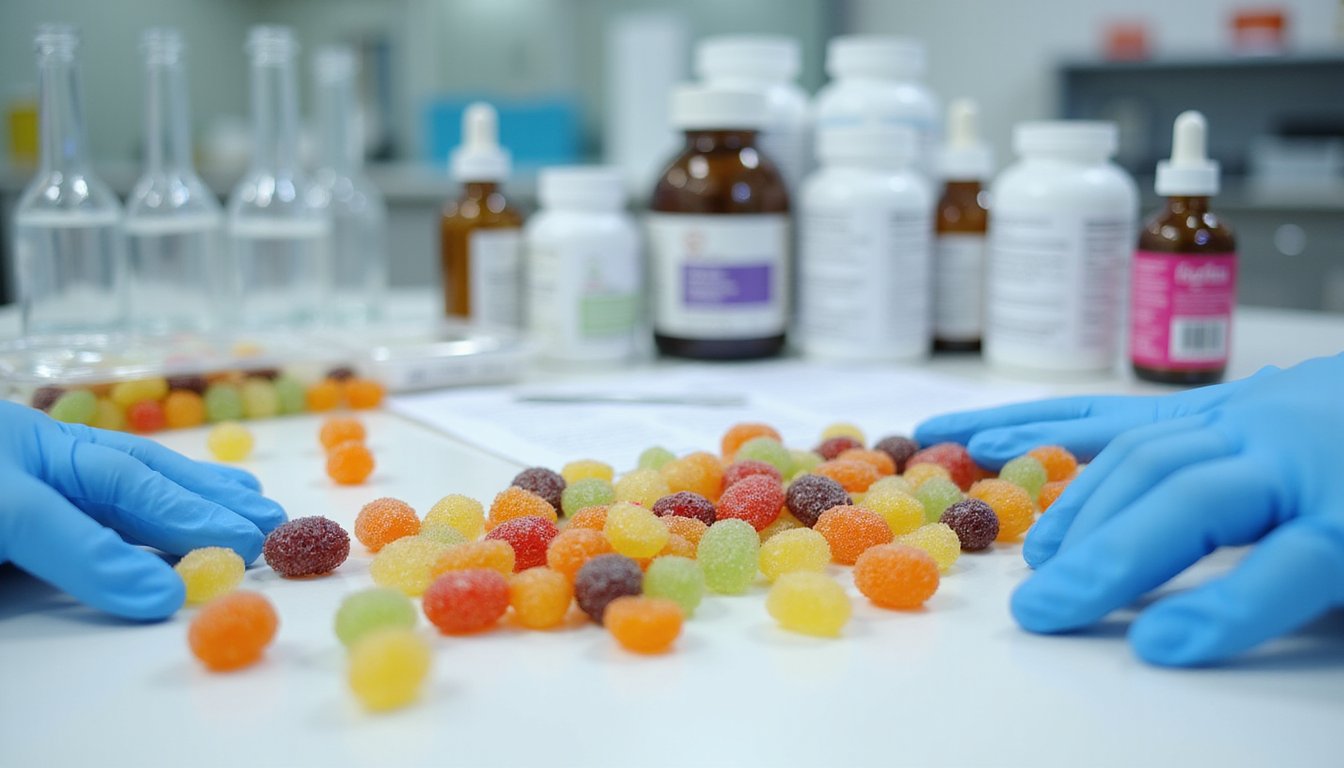
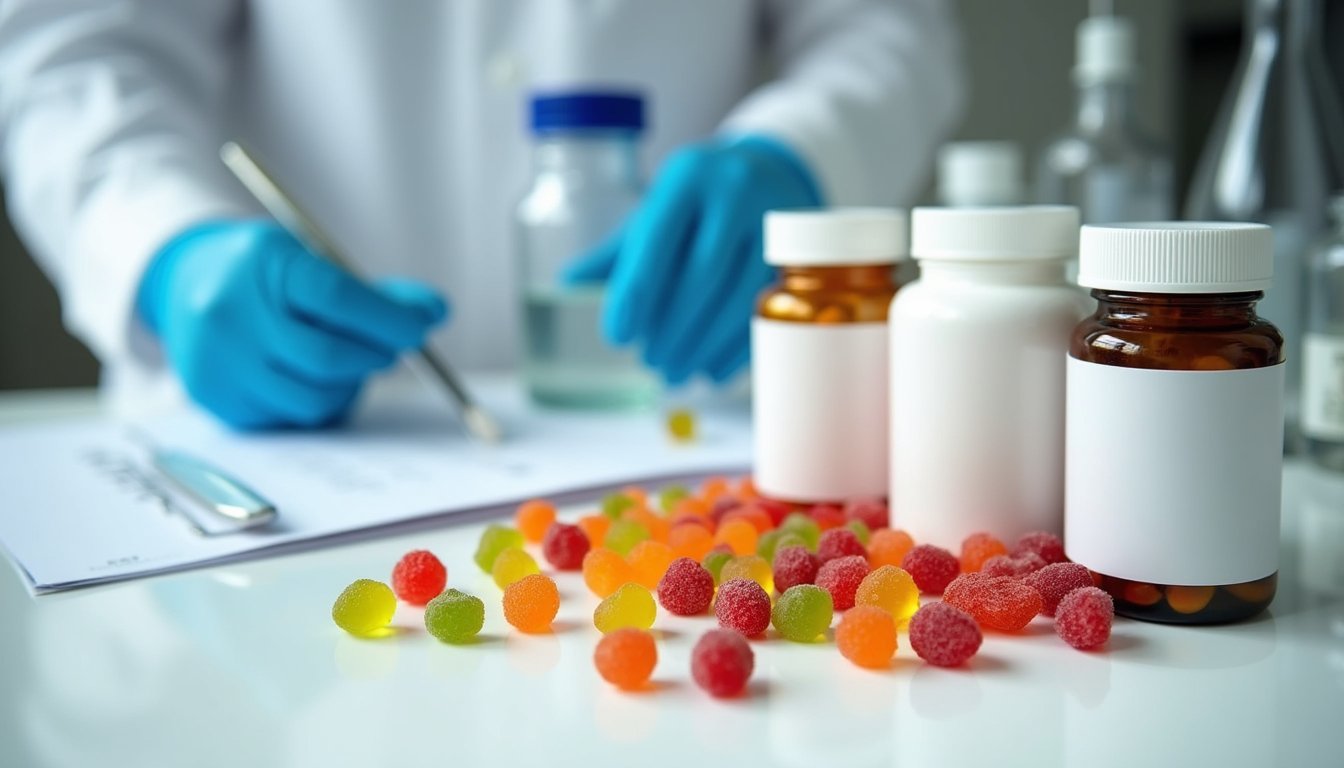
Appealing formats, Items like fruit-flavored gummies, shots, and ice cream cones make them attractive to youth.
-
Deceptive labeling, Some products are sold as kratom or “natural supplements,” misleading consumers about contents.
The combination of increased accessibility in gas stations, vape shops, and online stores with limited consumer awareness heightens the risk of misuse.
FDA’s Regulatory Actions and Recommendations
 In response to mounting concerns, the FDA has taken several steps:
-
Warning Letters, In June and July 2025, warning letters were sent to companies marketing unlawful 7-OH products as supplements, foods, or drugs.
-
Scheduling Recommendation, On July 29, 2025, the FDA recommended that the DEA classify concentrated 7-OH products under the Controlled Substances Act. This recommendation does not apply to kratom leaf but to concentrated derivatives.
-
Consumer Education, The agency has developed materials to help consumers and healthcare providers identify risks associated with 7-OH products.
Market Accessibility and Targeted Marketing
7-OH products are widely available through convenience stores, gas stations, smoke shops, and online retailers. Many are sold in formats designed to appeal to young consumers, including colorful gummies and dessert-like products. FDA investigations show that labels often disguise concentrated 7-OH as “kratom extract” or “natural supplements.” This misleading marketing raises risks of unintentional use and undermines consumer awareness campaigns.
Protecting Youth and Public Safety
 To address concerns about youth exposure, the FDA and other agencies are implementing multiple measures:
-
Awareness efforts, Public education initiatives warn families and healthcare professionals about the dangers of concentrated 7-OH.
-
Retail monitoring, FDA enforcement actions extend to retail and online sellers distributing illegal products.
-
State collaboration, States such as Florida have already enacted emergency rules to restrict access to 7-OH products.
These combined measures aim to limit exposure and protect vulnerable populations.
The DEA Review and Scheduling Process
Following FDA’s recommendation, the DEA must decide whether to initiate formal scheduling of 7-OH under the Controlled Substances Act. The process includes:
-
A scientific and medical evaluation of the compound.
-
Assessment of abuse potential and public health risks.
-
Public comment periods are held before a final decision.
If DEA finalizes Schedule I placement, manufacturing, distribution, and possession of concentrated 7-OH products would become illegal at the federal level.
Consumer Alert: Identifying Risky Products
Consumers should be cautious of products that are marketed as gummies, candies, or drinks with kratom-like effects, lack clear ingredient lists or manufacturer details, and make unverified health claims, such as pain relief or opioid replacement. These products may contain concentrated 7-OH, posing significant health risks. The FDA urges consumers to avoid suspicious supplements and to report adverse events.
Healthcare Provider Resources
The FDA has issued resources for healthcare professionals to support identification, reporting, and patient counseling. Providers are encouraged to:
-
Report adverse events through FDA MedWatch.
-
Document cases of suspected 7-OH exposure.
-
Differentiate between natural kratom use and concentrated 7-OH exposure in patient assessments.
These steps help regulators track risks while ensuring patients receive appropriate care.
The FDA is targeting concentrated 7-OH products, not natural kratom leaf. With recent warning letters and a recommendation to the DEA for scheduling, the agency is addressing a growing public health threat. As the DEA review moves forward, consumers, healthcare providers, and retailers all play a role in reducing the risks associated with these potent opioid-like substances.
Frequently Asked Questions
Is natural kratom included in the FDA’s actions?
No. The FDA’s enforcement and scheduling recommendation apply specifically to concentrated or chemically converted 7-OH products, not the natural kratom leaf. However, products marketed as “kratom extract” may actually contain concentrated 7-OH, which is why labeling and retail practices are under scrutiny.
What exactly did the FDA do in July 2025?
The FDA issued warning letters to companies illegally marketing concentrated 7-OH and formally recommended that the DEA place 7-OH under the Controlled Substances Act. The DEA must now review the recommendation, begin rulemaking, and consider public comments before making a final scheduling decision.
Can I still buy 7-OH products legally?
Yes, some products are still being sold online, in vape shops, and at gas stations. Until the DEA finalizes scheduling, concentrated 7-OH is not yet federally scheduled. However, these products are already illegal under the Food, Drug, and Cosmetic Act, and some states, such as Florida, have enacted bans.
Why are gummies and desserts such a concern?
The FDA has documented 7-OH being sold in fruit-flavored gummies, shots, and ice cream cones. These formats are especially concerning because they appeal to youth and disguise a potent opioid-like substance in seemingly harmless products.
How does the DEA scheduling process work?
The DEA will review FDA’s scientific data and abuse potential analysis, publish a proposed rule in the Federal Register, allow for public comment, and then issue a final scheduling rule. If placed in Schedule I, 7-OH products would be banned nationwide, making their manufacture, sale, and possession illegal.