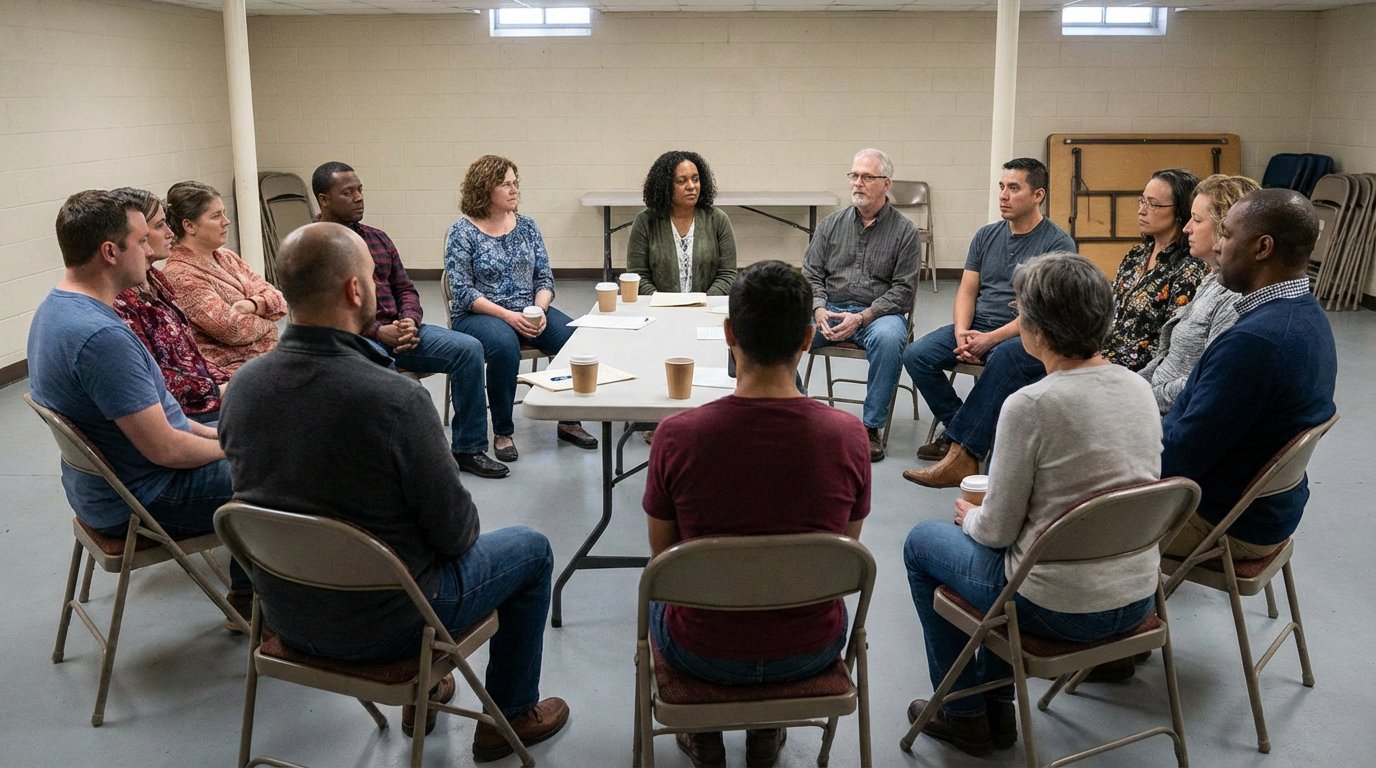
Addiction survivors reveal powerful truths that can transform your understanding of rehabilitation. You’ll uncover that 75% of people who pursue recovery achieve their goals, often after multiple attempts that build essential wisdom. Support networks and community engagement amplify success rates by 25%, while giving back through service work fortifies long-term sobriety. Most significantly, you’ll find that recovery opens doors to achievements beyond what seemed achievable. These life-changing insights offer hope and direction for your path ahead.
Recovery Is More Common Than You Think

While addiction can feel like an insurmountable challenge, recent data reveals a surprisingly hopeful reality: recovery is far more prevalent than most people realize. Nearly 30 million U.S. adults have successfully overcome substance use problems, with over 74% now considering themselves in recovery or recovered. Research shows that stigma and barriers to treatment access remain significant obstacles for many seeking help.
What’s even more encouraging is that you don’t necessarily need formal treatment to overcome everyday challenges with substances. More than half of those who’ve achieved recovery did so without clinical intervention, instead utilizing community resources, peer support groups, or faith-based programs. Whether through traditional treatment, self-help groups like AA/NA, or natural recovery, multiple pathways can lead to lasting change. In fact, 2.1 million people participated in substance use treatment through self-help groups in a single year. Those who maintain their recovery report that quality of life is excellent, with nearly 90% rating their overall well-being positively. The evidence is clear: millions of people are living proof that recovery isn’t just possible, it’s happening all around us.
The Power of Multiple Attempts
Each recovery attempt builds your strength and wisdom, even if you don’t achieve lasting sobriety right away. You’ll uncover that previous tries weren’t failures but rather stepping stones that taught you valuable lessons about your triggers, coping mechanisms, and support needs. Whether it takes two attempts or ten, your persistence in returning to recovery demonstrates courage and brings you closer to lasting change. The study shows that people typically make a median of 2 serious attempts at recovery, highlighting that success often comes earlier than many might expect. The encouraging reality is that 75% of people who pursue addiction recovery ultimately achieve their goal of overcoming substance use problems. Research reveals that substances causing severe withdrawal symptoms often require more attempts to quit successfully.
Growth Through Each Try
Since recovery from addiction rarely follows a straight path, understanding the power of multiple attempts can transform how you view setbacks in your expedition. Each try builds your toolkit for expanding self-awareness and cultivating resilience, making you stronger for the next phase of your odyssey.
Consider these empowering truths about multiple recovery attempts:
- You’re not alone; 75% of people seeking recovery eventually succeed, often after several tries
- Each attempt strengthens your coping skills and support network, even if temporary setbacks occur
- Your previous experiences contribute valuable insights, helping you adapt and refine your approach for lasting success
The reality that 40-60% of people experience relapse shows that recovery is a journey of persistence rather than perfection.
Never Too Many Times
The path to recovery often requires more attempts than many expect, and that’s perfectly normal. With research showing a median of two serious tries and some needing many more, you’re not alone in your journey. Addiction’s complexity magnified by mental health challenges or severe dependencies can increase the number of attempts needed.
You’ll find motivation through persistence, knowing that about 75% of people seeking recovery eventually achieve it. Each attempt builds valuable experience and coping skills that strengthen your foundation for long-term success. Whether you’ve tried once or multiple times, you’re gathering wisdom and resilience along the way. Remember: the number of attempts isn’t a measure of failure, it’s simply part of your unique path toward healing. There’s no limit to how many times you can start again.
Learning From Past Attempts
When looking back at previous recovery attempts, you’ll uncover valuable insights that can strengthen your next steps forward. Having compassion towards relapses is vital, as statistics show 40-60% of people in recovery experience them. Each attempt, whether successful or not, provides valuable lessons that refine your recovery strategy. The support of aftercare programs and counseling has been shown to significantly improve long-term recovery success.
Consider these powerful truths about recovery attempts:
- The median person succeeds after two attempts, while those with more complex situations may need extra tries
- Each setback offers unique insights that help healthcare providers customize more effective treatment approaches
- Your previous attempts aren’t failures; they’re stepping stones that build your understanding of triggers, coping mechanisms, and what support systems work best for you
Remember: insights from failed attempts become the building blocks of lasting recovery.
Life After Recovery Surpasses Expectations
Many addiction survivors uncover that life after recovery further satisfies but exceeds their initial anticipations. You’ll stumble upon unexpected milestones and unanticipated self-discovery that transform your path into a story of triumph. Research shows that 80% of survivors achieve major accomplishments in areas they never thought possible. With stable housing rates reaching 96% among those in recovery, the foundation for a better life becomes remarkably solid. Those seeking help now have twice the likelihood of accessing treatment services compared to previous years. The journey brings better sleep quality which helps restore both physical and mental well-being.
| Life Domain | What You Gain | Impact |
|---|---|---|
| Personal | Restored Relationships | Deep Connection |
| Professional | Career Growth | Financial Freedom |
| Health | Mental Clarity | Renewed Energy |
You’ll find yourself pursuing forgotten passions, building stronger family bonds, and reaching educational goals you once dismissed. The statistics reveal that 75% of individuals in recovery achieve fulfilling milestones beyond their expectations. Your recovery path isn’t just about healing; it’s about exceeding the limitations you once placed on yourself.
Building Strong Support Networks Makes a Difference

Building strong support networks dramatically increases your chances of sustained recovery, with research showing that individuals engaged in support groups experience up to 25% lower relapse rates compared to those who recover alone. When connecting with peers through community resources, you’ll uncover powerful tools for maintaining sobriety and building resilience. Studies demonstrate that incorporating recovery-supportive individuals into your social circle leads to better treatment outcomes. Peer support services have shown beneficial effects on treatment engagement and reducing risky behaviors. The success of support groups is particularly evident as ninety percent of individuals who maintain sobriety for two years go on to reach ten years of recovery.
Research highlights three key benefits of support networks:
- 85% of participants report improved self-worth and personal value
- 81% develop stronger friendships that help sustain their recovery path
- 77% experience heightened community connection, elevating motivation to stay clean
You’re not meant to walk this path alone. By actively participating in support groups, you’ll gain access to proven strategies, emotional support, and accountability partners who understand your challenges and celebrate your victories.
Transformation Through Community Engagement
When you’re rebuilding your life in recovery, connecting with others through Recovery Community Centers creates a powerful foundation of mutual support and understanding. Members find these centers so valuable that they visit for nearly 3 hours per session on average. You’ll find that giving back through service work and volunteering doesn’t just strengthen your own recovery but also helps others who are just beginning their path. As you engage with peers who share similar experiences, you’ll witness how collective healing and growth inspire everyone in the community to reach their full potential.
Building Supportive Recovery Networks
Through decades of research and countless recovery stories, supportive networks have emerged as a cornerstone of successful addiction recovery. The social engagement benefits are clear; those who actively build and maintain recovery relationships experience markedly lower relapse rates and improved emotional well-being.
Community-based treatment models have proven that you’re not alone on this journey. Active participation in support groups increases your treatment completion rate and elevates self-worth, with 77-85% of participants reporting an enhanced sense of community. Larger support networks directly correlate with reduced stress and better emotional resilience. Regular group engagement dramatically improves your long-term success, with 90% of those who maintain two years of sobriety reaching ten years without relapse.
Giving Back Through Service
Service to others marks a powerful shift in addiction recovery, transforming both the giver and receiver through meaningful community engagement. When you volunteer at recovery community centers or become a peer mentor, you’ll uncover opportunities for personal development that extend far beyond clinical treatment alone.
You’ll find that building meaningful relationships through service work strengthens your recovery capital, from improved employment prospects to expanded social networks. As you move from receiving help to providing it, you’ll develop confidence, purpose, and resilience. Research shows that those who maintain regular volunteer roles achieve notably higher sobriety rates and boosted psychological well-being.
Shared Growth Inspires Healing
As individuals join recovery community centers, they uncover the transformative power of shared experiences and mutual support. Through peer-led mentorship and individual-centered transformation, you’ll witness how sharing wisdom accelerates healing and builds lasting connections within these vibrant communities.
Recovery centers have proven that collective growth creates stronger outcomes:
- Regular engagement (1-2 times weekly) helps members maintain sobriety, with 40% achieving 1-5 years of recovery
- Diverse support networks foster belonging, with 77% of centers functioning as social hubs for mutual engagement
- All Recovery meetings provide safe spaces to share lived experiences, making them the most accessed service
You’re not alone in your path. These communities demonstrate that when people come together to share their stories and strategies, they create powerful momentum for lasting change.
Success Rates Mirror Other Medical Conditions
While many view addiction treatment as distinctly challenging, the data tells a different story: recovery success rates closely mirror those of other chronic medical conditions like diabetes and hypertension. Just like managing blood sugar or blood pressure, addiction recovery requires ongoing chronic disease management and consistent monitoring.
You’ll find that success rates fluctuate by substance, from 40-60% for alcohol to 30-50% for opioid treatment programs using medication-assisted approaches. These numbers reflect the reality that recovery often involves multiple treatment episodes and assorted holistic treatment modalities. When you or a loved one face setbacks, keep in mind that relapse isn’t failure; it’s a normal part of the recovery expedition, just as diabetic patients may sometimes struggle with blood sugar control. The key is maintaining dedication to treatment while adjusting approaches as needed.
Quality of Life Soars With Sustained Recovery

Nearly 90% of individuals in sustained recovery report their quality of life as good or excellent, a remarkable proof of addiction treatment’s transformative power. The path to inner peace restoration and lasting happiness attained becomes clearer as you progress in your initial recovery endeavor.
Research confirms that your life improves dramatically across multiple dimensions:
- Your physical and mental well-being surges, with over 92% reporting positive mental health and experiencing better sleep, increased energy, and reduced anxiety
- Your achievements multiply through career advancement, education, and volunteering, with 80% accomplishing major life goals
- Your relationships flourish, particularly with family, as over 70% of parents in recovery report excellent connections with their children
These improvements continue for decades, with the most significant gains occurring in the first five years of recovery.
The Journey Beyond Just Being Sober
Recovery extends far beyond the initial milestone of achieving sobriety. It’s an expedition of continuous healing where you’ll uncover transformative changes in your life quality and social connections. Through shifting perspectives, you’ll often find yourself “better than well,” surpassing your initial recovery goals.
| Recovery Phase | Focus Areas | Benefits |
|---|---|---|
| Early (0-1 yr) | Support Groups | Reduced Relapse Risk |
| Middle (1-3 yrs) | Life Integration | Increased Satisfaction |
| Long-term (3+ yrs) | Community Impact | Improved Well-being |
You’re not just staying sober, you’re building a richer life through education, work, and meaningful relationships. Research shows that after five years of recovery, many individuals score higher in social quality of life than the general population. Your path isn’t about reaching a destination; it’s about embracing ongoing growth and transformation.
Resilience Shapes Long-Term Achievement
Research consistently demonstrates that resilience acts as a cornerstone of long-term achievement in addiction recovery. When you engage in strength-based recovery programs, you’re not just staying sober; you’re building a foundation for lasting success. Resilience-based interventions create powerful transformations that extend far beyond initial recovery.
Building resilience through recovery programs creates a foundation for lasting success that goes far beyond maintaining sobriety.
Key findings show that resilient individuals achieve remarkable outcomes:
- You’re 3x more likely to maintain long-term sobriety when participating in programs that actively build resilience
- Your ability to reach personal and professional goals increases considerably through sustained recovery
- You’ll experience amplified quality of life and improved social relationships as your resilience grows
The evidence is clear: investing in your resilience today shapes your achievements tomorrow, creating a sturdy framework for continued growth and success in recovery.
Hope Remains a Powerful Medicine
How can something as simple as hope make such a profound difference in addiction recovery? The evidence is compelling: a modest increase in hope correlates with a 23% reduction in relapse risk. By cultivating positivity through community support and recovery networks, you’re not just improving your chances of staying clean; you’re transforming your entire quality of life.
Harnessing determination becomes easier when you connect with others in recovery, as their success stories fuel your own path. The statistics back this up: while early recovery can be challenging, your chances of maintaining sobriety increase dramatically after five years. Remember, you’re not alone; nearly 30 million Americans have overcome substance use problems. Through hope, proper support, and engagement in recovery activities, you can join those who’ve successfully reclaimed their lives.
Frequently Asked Questions
How Do You Maintain Relationships With Friends Who Still Drink or Use?
You’ll need to set clear boundaries and communicate openly about your sobriety goals while building strong social support systems elsewhere. Be direct about what you’re comfortable with, like meeting for coffee instead of at bars. Don’t feel guilty about limiting time with friends who still use. Focus on activities that don’t involve substances and maintain relationships with those who respect your recovery path through honest communication strategies.
What Career Opportunities Are Available in Addiction Recovery and Counseling Fields?
You’ll find diverse opportunities in the addiction recovery field, from direct client care to program management. You can pursue roles as a licensed counselor, providing therapy and treatment planning, or work as a recovery coach offering peer support. Career counseling specialties include clinical supervision, prevention education, and community outreach. With supplementary certifications, you can also investigate private practice, telehealth services, or academic positions teaching future addiction professionals.
How Does Insurance Typically Cover Addiction Treatment and Ongoing Recovery Support?
Your insurance coverage for addiction treatment typically includes detox, inpatient/outpatient care, and therapy services. Most plans now must provide equal coverage for addiction and medical treatment due to parity laws. While rehabilitation facility options vary by plan, you’ll generally find coverage for FDA-approved medications and counseling. However, you’ll need to verify specific costs and limitations, as out-of-pocket expenses and prior authorizations may apply depending on your insurance type.
When Should Family Members Seek Professional Help for Their Own Healing?
You should seek professional help when your loved one’s addiction profoundly impacts your well-being, despite trying self-care strategies like meditation or exercise. Watch for signs like persistent anxiety, enabling behaviors, or difficulty maintaining boundaries. If you’re experiencing disrupted sleep, strained relationships, or work challenges, don’t wait; reach out to therapists or community support resources. Professional guidance can help you develop healthy coping skills and restore balance to your life.
What Legal Protections Exist for People in Recovery Seeking Employment?
You’re protected under the Americans with Disabilities Act (ADA) if you’re in recovery and seeking employment. This means employers can’t discriminate against you based on your past substance use disorder. You’re entitled to workplace accommodations during recovery, and you can take up to 12 weeks of job-protected leave through FMLA for treatment. Remember, these disability protections apply as long as you’re not currently using illegal substances.