When you drink alcohol, your body experiences muscle soreness through several mechanisms. Alcohol suppresses protein synthesis by 24-38%, triggers dehydration and electrolyte depletion, and releases inflammatory cytokines that create flu-like aches throughout your body. Acetaldehyde, a toxic byproduct of alcohol metabolism, intensifies this inflammatory response while impairing calcium handling in your muscle fibers. Understanding the full scope of alcohol’s impact on your muscles can help you make informed decisions about your recovery strategy.
How Alcohol Directly Damages Muscle Tissue
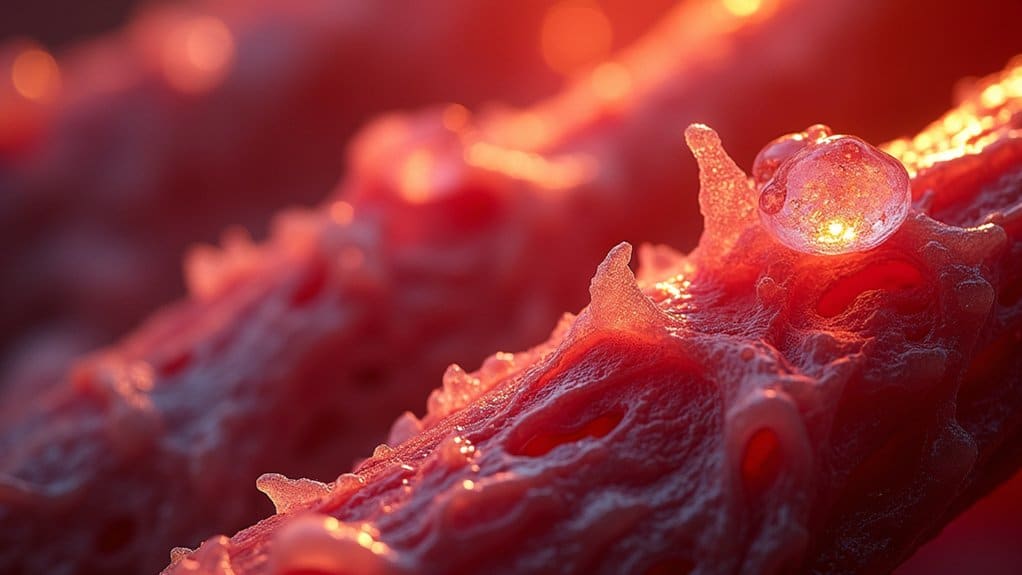
When you drink alcohol, your body’s ability to build and maintain muscle tissue takes a direct hit. Alcohol suppresses muscle protein synthesis by inhibiting mTORC1 signaling and reducing IGF-1 levels. Research shows binge drinking after resistance exercise decreases protein synthesis by 24-37%, depending on nutrient intake.
Simultaneously, alcohol accelerates muscle protein breakdown through activation of the ubiquitin-proteasome pathway and elevated cortisol levels. This catabolic shift damages myofibers and elevates serum creatine kinase markers. Studies show that autophagy inhibitors can prevent the increased proteolysis seen in alcohol-treated muscle cells, while proteasome inhibitors do not have the same protective effect.
Your muscles also suffer impaired calcium handling. Alcohol disrupts sarcoplasmic reticulum calcium release and inhibits sarcolemmal calcium channels, reducing contractile strength and slowing relaxation. Fast-twitch fibers experience the greatest dysfunction. These combined mechanisms explain why you feel weakness, soreness, and prolonged recovery after drinking. Additionally, alcohol disrupts restorative REM sleep, which is essential for tissue repair and muscle recovery. To mitigate the effects of alcohol on your muscles, focus on hydration, nutrition, and gentle exercise to promote blood flow. Additionally, exploring ways to ease alcohol induced pain can provide relief and support recovery.
Acute Muscle Pain and Soreness After a Drinking Episode
Beyond the cellular damage alcohol inflicts on muscle tissue, the acute symptoms you experience after a drinking episode involve distinct physiological mechanisms that compound your discomfort. Alcohol’s diuretic effect triggers significant dehydration and electrolyte loss, depleting sodium, potassium, and magnesium essential for proper muscle function. This disruption directly increases your risk of acute muscle cramping and spasms. Additionally, the inflammatory response initiated by alcohol consumption can lead to an increase in perceived pain sensitivity. Consequently, many individuals report experiencing leg pain after drinking alcohol, which may be exacerbated by the combination of dehydration, electrolyte imbalance, and inflammation.
Your body simultaneously mounts an inflammatory response, releasing proinflammatory cytokines that produce systemic aches resembling flu-like symptoms. Acetaldehyde accumulation from alcohol metabolism intensifies this inflammatory response, amplifying your muscle discomfort.
Three primary mechanisms drive your post-drinking muscle pain:
- Dehydration reduces blood volume and oxygen delivery to muscles, causing stiffness and fatigue
- Electrolyte depletion disrupts muscle contraction-relaxation cycles, triggering cramps
- Delayed lactic acid clearance creates accumulation that mimics post-exercise soreness
These compounding factors explain why your muscles feel weak, heavy, and painful during hangovers. In severe cases following a binge, rhabdomyolysis can affect muscles throughout the body, including pharyngeal and diaphragm muscles in addition to your limbs.
Chronic Alcohol Use and Progressive Muscle Weakness
Chronic alcohol consumption triggers a distinct form of muscle deterioration that affects over 50% of long-term heavy drinkers. Unlike acute soreness, this condition develops gradually as alcohol impairs your body’s protein synthesis mechanisms. Acetaldehyde, a toxic metabolite, directly inhibits new muscle protein production, potentially causing up to 30% muscle mass loss over time.
You’ll notice muscle weakness first in proximal areas, shoulders, hips, and thighs. Walking becomes difficult, and your gait may change as chronic alcoholism progressively weakens core muscle groups. CT imaging studies confirm significant muscle atrophy in the lower back and femoral regions among heavy drinkers consuming 10+ units daily.
The underlying mechanisms include mitochondrial dysfunction, oxidative stress, and impaired muscle regeneration. Alcohol can also reduce production of adenosine triphosphate (ATP), which heavily impacts muscle strength. Nutritional deficiencies in protein, B vitamins, and vitamin D compound the damage. The good news is that abstinence from alcohol can lead to significant improvements in muscle strength, with full recovery possible within 5 years for many individuals. Additionally, engaging in structured rehabilitation can facilitate the healing process and enhance muscle recovery. The benefits of medical detox programs can further support individuals as they navigate the challenges of withdrawal and begin to restore their overall health.
The Impact of Alcohol on Post-Exercise Muscle Recovery
Anyone serious about training adaptations should understand how alcohol disrupts post-exercise muscle recovery at the molecular level. When you consume alcohol after training, you suppress muscle protein synthesis by 24, 38%, even with ideal protein intake. This occurs because alcohol inhibits mTOR pathway activation, the central regulator of muscle growth and repair.
Key mechanisms impairing your recovery:
- Blunted translation initiation reduces your muscles’ capacity to rebuild damaged fibers
- Increased cortisol promotes protein breakdown while testosterone drops
- Reduced plasma amino acid availability limits substrate for repair
- Alcohol decreases intracellular calcium concentration in skeletal muscle, which is crucial for proper muscle contraction and function
Despite these cellular disruptions, performance recovery metrics often appear normal within 48 hours. However, this masks underlying anabolic suppression. Repeated post-exercise drinking creates cumulative deficits in hypertrophy and strength gains that compromise your long-term training outcomes. Research confirms that alcohol’s negative effects on muscle protein synthesis occur in a dose-and time-dependent manner after you finish exercising.
Dehydration, Sleep Disruption, and Nutritional Deficiencies

When you drink alcohol, your body faces a triple threat that intensifies muscle soreness: dehydration from alcohol’s diuretic effect, disrupted sleep that impairs tissue repair, and nutritional deficiencies that compromise muscle function. Alcohol suppresses vasopressin release, causing your kidneys to flush fluids faster than your body can process the alcohol itself, while simultaneously reducing your appetite for nutrient-rich foods. These combined factors deplete essential electrolytes like sodium and potassium, impair B vitamin absorption, and prevent the deep sleep stages your muscles need for ideal recovery. Drinking water throughout the night can help counteract some of these dehydrating effects and reduce the severity of muscle soreness the following day. The risk of experiencing these symptoms is particularly elevated for older adults and individuals with chronic health conditions.
Alcohol’s Dehydrating Effects
Because alcohol suppresses vasopressin, your body’s antidiuretic hormone, it triggers increased urine production and accelerates fluid loss through the kidneys. Beverages containing 4% or more alcohol substantially increase urine output, especially when you’re already dehydrated. Alcohol’s diuretic effect compounds exercise-induced fluid loss, dramatically elevating dehydration risk. This dehydration from alcohol directly contributes to muscle soreness after drinking by disrupting cellular function and electrolyte balance.
Research demonstrates these key findings:
- Fluid retention drops to approximately 21% with full-strength beer versus 42% with isotonic sports drinks
- Net fluid balance often remains negative even when beer volume equals 150% of prior fluid loss
- Water elimination outpaces alcohol metabolism, allowing blood alcohol concentration to climb further without adequate fluid replacement
You cannot achieve ideal hydration while consuming moderate-to-heavy alcohol quantities. Studies show that rehydration can attenuate alcohol-related deterioration of cognitive functions, highlighting the importance of adequate fluid replacement when alcohol is consumed after physical activity. Beer is regularly consumed after exercise among team-based sports participants, making awareness of its dehydrating effects particularly important for athletes.
Sleep Quality Impairment
Dehydration isn’t the only way alcohol disrupts your body’s recovery, it also fundamentally alters your sleep architecture. When you drink before bed, you’ll experience reduced REM sleep duration, delayed REM onset, and increased light N2 sleep at the expense of restorative slow-wave sleep. This creates a direct pathway to muscle pain after drinking.
As your body metabolizes alcohol overnight, rebound wakefulness triggers frequent awakenings during the second half of your sleep cycle. This fragmentation prevents the deep sleep phases essential for muscle tissue repair. Your alcohol muscle aches intensify because compromised sleep elevates inflammation and impairs protein synthesis. Research shows that men drinking more than 21 units per week are significantly more likely to wake several times a night compared to non-drinkers, compounding recovery problems. Additionally, alcohol relaxes the tongue and throat muscles, which worsens snoring and sleep apnea, further disrupting the restorative sleep your muscles need.
The result: you wake with sore muscles after drinking, compounded by accumulated sleep debt that perpetuates physical discomfort and delayed recovery.
Key Nutrient Deficiencies
Beyond sleep disruption, alcohol systematically depletes the nutrients your muscles need for recovery and repair. When you experience muscle pain after alcohol consumption, nutrient deficiencies play a critical role. Alcohol’s diuretic effect strips your body of essential electrolytes, potassium, magnesium, and zinc, directly contributing to hangover muscle pain and cramping.
Your liver prioritizes alcohol metabolism, consuming B vitamins essential for ATP synthesis and energy production. This depletion explains why your muscles hurt after drinking. Additionally, alcohol consumption can impair maximal post-exercise rates of myofibrillar protein synthesis, further compromising your body’s ability to repair damaged muscle tissue.
Key deficiencies driving muscle dysfunction:
- Magnesium loss triggers cramping, fatigue, and impaired muscle contraction
- Thiamine (B1) depletion disrupts cellular energy production required for tissue repair
- Potassium deficiency compounds dehydration-related weakness and prolongs recovery
These combined deficiencies create a hostile environment for muscle recovery, extending soreness well beyond the initial hangover period.
Who Is Most at Risk for Alcohol-Related Muscle Problems
If you drink heavily in single sessions, you’re at elevated risk for acute alcoholic myopathy, which triggers sudden muscle pain, weakness, and potential muscle breakdown. Nutritional deficiencies compound your risk greatly, as chronic alcohol use disrupts absorption of protein, B vitamins, and vitamin D, nutrients essential for muscle repair and function. Those with alcohol-related liver disease face additional vulnerability, since impaired nutrient metabolism and electrolyte imbalances further harm muscle tissue.
Heavy Binge Drinkers
Heavy binge drinkers face the steepest risk for alcohol-related muscle damage, with research from the UK Biobank involving 200,000 participants showing that individuals aged 37-73 who consume 10+ units daily experience substantially lower muscle mass than moderate drinkers or abstainers.
If you’re consuming 10+ units daily, equivalent to a bottle of wine or 4-5 pints of beer, you’re triggering a dose-response effect that reduces both muscle quantity and quality.
Key risk factors for heavy binge drinkers:
- Middle-aged individuals (50s-60s) show the greatest vulnerability to frailty from alcohol-induced muscle loss
- Lifetime ethanol consumption correlates inversely with muscle strength in chronic cases
- Even after five years of abstinence, proximal weakness often persists in older binge-prone individuals
Your drinking pattern directly determines your long-term muscular health outcomes.
Nutritionally Deficient Individuals
Because alcohol displaces nutrient-dense foods and impairs absorption, individuals with poor nutritional status face heightened vulnerability to muscle pain and dysfunction after drinking.
If you’re malnourished or food-insecure, you’re at significant risk. Heavy drinkers often derive 35, 50% of calories from alcohol, creating global micronutrient deficiencies that impair muscle repair. Protein-energy malnutrition directly increases myalgia and weakness.
Pre-existing micronutrient deficiencies compound these effects. Alcohol depletes B-vitamins essential for skeletal muscle energy metabolism, causing fatigue and cramping. You’ll lose magnesium, potassium, and zinc through alcohol’s diuretic action, triggering spasms and prolonged soreness.
Older adults face compounded risks. Age-related appetite decline, sarcopenia, and polypharmacy reduce baseline nutrient stores. When you add alcohol’s malabsorptive effects, even moderate drinking can produce pronounced muscle aches that younger, well-nourished individuals wouldn’t experience.
Those With Liver Disease
When chronic alcohol use has already damaged your liver, the risk of muscle problems escalates dramatically. About 50% of people with alcohol-related cirrhosis develop alcoholic myopathy, and this muscle damage tends to be more severe and persistent than in those without liver disease.
Your compromised liver creates a cascade of complications:
- Elevated TNF-α and IL-6 levels accelerate muscle protein breakdown, particularly in your lower limbs
- Impaired toxin metabolism increases your susceptibility to rhabdomyolysis during drinking episodes
- Cirrhosis-related mitochondrial dysfunction intensifies fatigue and exercise intolerance
If you experience rhabdomyolysis, you’re at heightened risk for acute kidney injury because cirrhosis already compromises your renal function. Recovery from muscle damage is slower and often incomplete, even after you stop drinking entirely.
Recovery and Reversing Alcohol-Induced Muscle Damage
Although alcohol-induced muscle damage can feel debilitating, your body possesses remarkable capacity to heal once you remove the underlying cause. Complete abstinence serves as the cornerstone of recovery. Acute alcoholic myopathy typically resolves within one to two weeks after cessation, while chronic cases show significant strength recovery in approximately 85% of individuals within one year of sobriety.
Your recovery accelerates with targeted nutritional rehabilitation. Alcohol depletes thiamine, B-vitamins, zinc, magnesium, and calcium, all essential for muscle metabolism. Prioritize protein-adequate meals and antioxidant-rich foods to counteract oxidative damage.
Avoid alcohol for 24 to 48 hours post-exercise, as consumption can reduce muscle protein synthesis by up to 37%. Progressive resistance training, combined with physical therapy targeting strength and flexibility, restores muscle mass and function effectively.
Why Your Body Aches After Drinking and What It May Be Telling You
Muscle soreness and body aches after drinking alcohol are more than just uncomfortable side effects. they are your body’s way of signaling that something deeper may be going on. Alcohol is a toxin that depletes essential nutrients, causes inflammation, and disrupts normal muscle function, leaving the body feeling worn down and painful even after a single heavy episode of drinking. For those who drink frequently or heavily, these physical symptoms can become a regular occurrence and may indicate the early signs of alcohol dependence that require professional attention. Medical detox services at The Villa Treatment Center provide safe, supervised care to help your body heal through withdrawal with the support of experienced medical professionals. Call +1-818-639-7160 for a confidential consultation and take the first step toward feeling better today.
Frequently Asked Questions
Can Drinking Alcohol Worsen Muscle Soreness From a Previous Workout?
Drinking alcohol after a workout likely won’t make your muscles feel more sore, but it can slow your actual recovery. Research shows alcohol reduces muscle protein synthesis by 24, 38% and suppresses the mTOR pathway your body needs for repair. You may also experience greater strength losses at 36 hours post-exercise. While your soreness perception stays similar, your muscles aren’t rebuilding as efficiently, potentially compromising your next training session.
Why Do My Legs Ache More Than Other Muscles After Drinking?
Your legs ache more because alcohol acts as a vasodilator, widening blood vessels and increasing pressure in your leg veins. This triggers blood pooling and backflow, especially when you’re sitting or lying down. The diuretic effect compounds the problem by causing dehydration and inflammation in your lower limbs. If you’re over 60, research shows you’re considerably more likely to experience nocturnal leg cramps after drinking.
Does Mixing Alcohol With Caffeine Increase Muscle Pain the Next Day?
Yes, mixing alcohol with caffeine likely increases your next-day muscle pain. Caffeine masks alcohol’s sedative effects, so you’ll drink more and experience worse hangover symptoms. Both substances act as diuretics, compounding dehydration and electrolyte imbalances that trigger muscle cramping. Additionally, caffeine raises your pain sensitivity by interfering with adenosine-mediated analgesia and boosting glutamate activity. The heightened stimulation during intoxication also increases unnoticed microtrauma to your muscles.
Can Muscle Soreness After Drinking Be a Sign of Liver Damage?
Muscle soreness alone typically isn’t a direct sign of liver damage. Your liver issues usually present with systemic symptoms like jaundice, abdominal pain, and fatigue rather than isolated muscle aches. However, there’s significant overlap, chronic alcoholic myopathy occurs in 50% of liver cirrhosis cases. If you’re experiencing muscle weakness alongside dark urine, swelling, or yellowing skin, you should seek medical evaluation to rule out both conditions.
Do Certain Types of Alcohol Cause Worse Muscle Aches Than Others?
No direct studies show that specific alcohol types cause worse muscle aches than others. Your muscle soreness stems primarily from ethanol content and total volume consumed, not the beverage type. However, darker liquors contain more congeners, which may intensify hangover symptoms and potentially worsen inflammation-related discomfort. Clear spirits like vodka or gin have fewer congeners and lower sugar content, possibly reducing overall inflammatory response. Focus on limiting total alcohol intake rather than switching types.