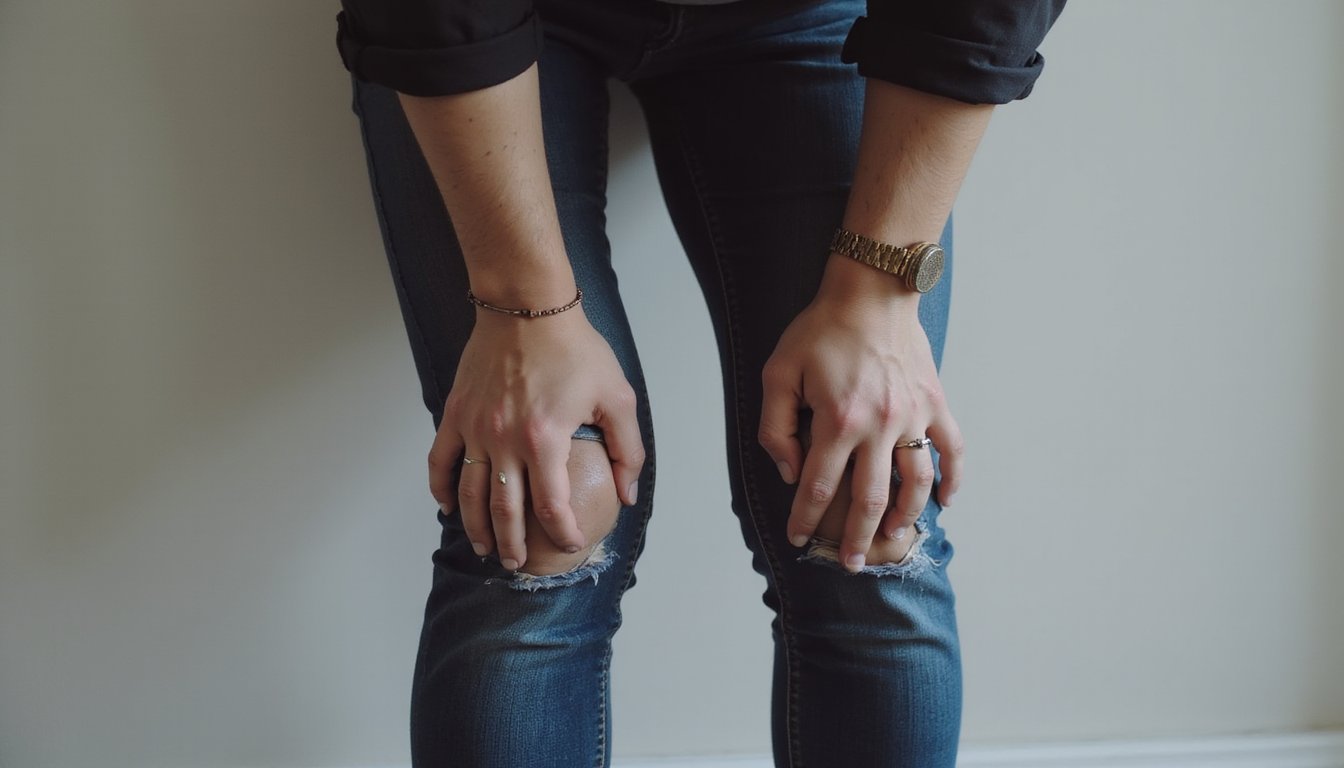
To reduce body aches after drinking alcohol, you’ll need to focus on rehydration and electrolyte replacement. Drink 16-20 ounces of water upon waking and consider electrolyte drinks to restore depleted sodium, potassium, and magnesium. Alcohol triggers inflammation and impairs muscle function through dehydration and disrupted mineral balance. Anti-inflammatory foods and gentle movement can also support recovery. Understanding the specific mechanisms behind alcohol-induced muscle pain can help you develop a more effective prevention strategy. Incorporating stretching and light exercises can promote blood circulation, aiding in the recovery process. Additionally, educating yourself about the effects of alcohol on muscles can empower you to make informed decisions about your drinking habits.
Why Alcohol Causes Body Aches and Muscle Pain

Alcohol disrupts muscle function through several interconnected mechanisms that explain why you might wake up sore after drinking. When you consume alcohol, your body triggers inflammation and toxicity responses, recognizing ethanol as a foreign substance. This inflammatory cascade directly contributes to muscle pain and soreness.
Simultaneously, alcohol causes impaired protein synthesis by reducing mTOR kinase activity, which limits your muscles’ ability to repair and rebuild. This effect can persist for over 13 hours after alcohol clears your system.
Your body also experiences lactic acid accumulation because it prioritizes metabolizing alcohol over clearing metabolic waste from muscles. This buildup creates soreness similar to post-exercise discomfort, even without physical activity. These combined effects explain why body aches commonly follow drinking episodes. Additionally, alcohol interrupts calcium absorption, which reduces your muscles’ ability to contract properly and contributes to weakness and cramping. Alcohol also causes significant dehydration, which further impairs muscle function and slows the recovery process. This combination of factors can lead to persistent body pain after consuming alcohol, affecting both recovery and overall well-being. Moreover, individuals may find that their tolerance for physical exertion decreases, making routine activities feel more strenuous.
Rehydrate and Restore Lost Fluids
Replacing lost fluids is one of the most effective ways to reduce alcohol-related body aches. You’ll want to drink water before bed to combat overnight dehydration, reach for electrolyte drinks that contain sodium, potassium, and magnesium to restore mineral balance, and continue sipping fluids when you wake up. These strategies help your cells rehydrate and support your body’s natural recovery processes. Since alcohol inhibits antidiuretic hormone, your body expels fluids it would normally conserve, making consistent rehydration even more critical for recovery. While rehydration can begin within minutes of drinking fluids, full recovery takes several hours, so patience and continued fluid intake are essential.
Water Before Bed
Drinking water before bed helps restore fluids lost through alcohol’s diuretic effects. When you consume alcohol, it inhibits your antidiuretic hormone, causing your kidneys to release more water than normal. This accelerated fluid loss contributes to dehydration, which can worsen body aches the following day.
Pre-bed rehydration supports your liver’s overnight function by providing the water needed to help process remaining toxins. Dehydration forces your liver to work harder, leading to a buildup of acetaldehyde, a toxic byproduct that can intensify headaches and nausea. However, research shows only modest correlation between water intake and hangover prevention. While water before bed addresses short-term dehydration, it won’t eliminate all next-day symptoms. Studies indicate that hangover and dehydration are actually two independent consequences of alcohol consumption that occur simultaneously.
For better results, combine water with food to slow alcohol absorption. You should also avoid caffeine after drinking, as it can worsen dehydration. Remember that rehydration time varies depending on how much alcohol you’ve consumed.
Electrolyte Drinks Help
While water addresses basic fluid replacement, electrolyte drinks offer a more complete solution for alcohol-related dehydration. Alcohol acts as a diuretic, depleting sodium, potassium, calcium, and magnesium from your system. These minerals are essential for proper muscle and nerve function. This diuretic effect occurs because alcohol inhibits vasopressin release, the hormone responsible for regulating water retention in your body.
For effective rehydration, drink 8-12 ounces of an electrolyte beverage upon waking, then continue with 4-6 ounces hourly. Coconut water provides a natural, low-sugar option with potassium levels that match your blood’s isotonic concentration.
Electrolyte drinks help alleviate common hangover symptoms including headaches, muscle cramps, and fatigue by restoring mineral balance. They also support nerve signaling and promote blood flow for faster recovery. Look for formulas containing B vitamins and antioxidants, which further aid your body’s detoxification process and accelerate overall symptom relief. For a homemade alternative, mix water, lemon juice, sea salt, and honey to create a natural electrolyte drink that supports your body’s recovery processes.
Sip Fluids Upon Waking
Your body wakes up in a fluid deficit after drinking because alcohol suppresses antidiuretic hormone, causing increased urination and a typical loss of 2-3% of total body water overnight. This dehydration contributes to headaches, fatigue, and muscle discomfort.
For effective alcohol body pain relief, aim for 16-20 ounces of water immediately upon waking. Sip slowly rather than chugging to avoid flushing out remaining electrolytes. If you’re learning how to cure body aches after drinking, combine plain water with high-water foods like cucumbers, watermelon, or oranges throughout the day.
To prevent soreness after drinking in the future, drink a pint of water before sleep and keep a glass bedside. Continue hydrating all day to fully replace overnight losses and support your body’s recovery process. Since alcohol metabolism produces toxic acetaldehyde as a byproduct, staying well-hydrated also helps your liver process and eliminate this compound that contributes to nausea, headache, and fatigue. Beyond water alone, oral rehydration solutions containing electrolytes and glucose are the most effective method to rehydrate your body and replenish the minerals lost during alcohol consumption.
Replenish Electrolytes and Essential Nutrients
Because alcohol acts as a diuretic, it depletes electrolytes like sodium, potassium, magnesium, and calcium, minerals essential for muscle function and nerve signaling. This depletion contributes to muscle aches, spasms, fatigue, and headaches that intensify hangover symptoms.
To reduce body aches alcohol causes, prioritize electrolyte replacement upon waking. Consume 8-12 ounces of an electrolyte drink immediately, then maintain intake with 4-6 ounces hourly. Oral rehydration solutions containing glucose enhance mineral absorption more effectively than plain water. For optimal results, choose products with clean, natural ingredients that avoid added sugars and artificial additives.
For hangover pain relief body-wide, consider coconut water, broths, or water-rich fruits like watermelon and oranges. These provide natural electrolytes alongside hydration. Magnesium and calcium specifically support muscle recovery, reducing cramps and stiffness. Balanced electrolyte intake also maintains proper blood pressure and cardiovascular function during recovery. Research confirms that electrolyte beverages are more effective than water alone in restoring proper hydration levels after alcohol consumption.
Support Your Body With Anti-Inflammatory Foods
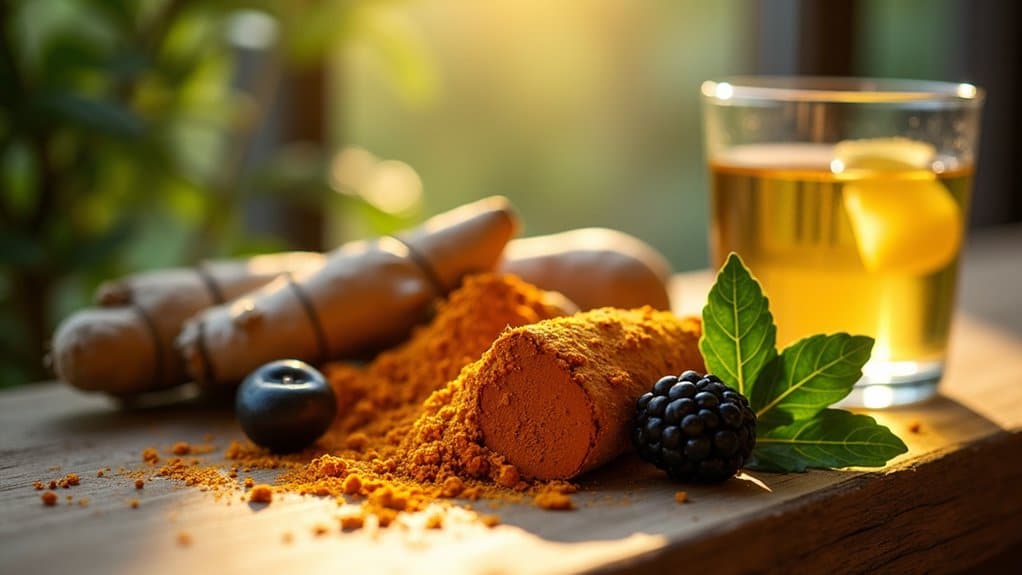
When you drink alcohol, your body produces inflammatory cytokines that contribute to muscle aches and joint pain. Choosing foods rich in antioxidants can help counteract this inflammatory response and support faster recovery. Research shows that specific compounds in berries, fatty fish, and leafy greens actively reduce the inflammatory markers triggered by alcohol metabolism. Salmon is particularly beneficial because it is rich in omega-3 fatty acids that can decrease inflammation throughout the body. This is especially important because alcohol consumption disturbs the balance between pro- and anti-oxidant systems, causing oxidative stress that leads to cellular damage and prolonged discomfort.
Antioxidant-Rich Food Choices
After alcohol stresses your body with oxidative damage and inflammation, antioxidant-rich foods can support natural recovery processes. Berries, cherries, and grapes contain anthocyanins and polyphenols that help lower oxidative stress. Citrus fruits provide vitamin C, which protects joints and connective tissues.
Tomatoes offer lycopene, a potent antioxidant that reduces pro-inflammatory compounds. Cooking tomatoes in extra-virgin olive oil enhances absorption. Cruciferous vegetables like broccoli and kale supply sulforaphane, associated with decreased inflammatory markers.
Fatty fish such as salmon and mackerel deliver EPA and DHA, omega-3 fatty acids metabolized into compounds with anti-inflammatory effects. Walnuts, chia seeds, and flaxseeds contribute additional omega-3s. Extra-virgin olive oil contains oleocanthal, which demonstrates anti-inflammatory activity in experimental studies. Incorporating these foods may help reduce alcohol-related soreness and stiffness. Green tea offers EGCG, an antioxidant with powerful anti-inflammatory properties that can further support recovery.
Reducing Inflammatory Cytokines
How effectively can your food choices influence the inflammatory signals driving alcohol-related body pain? Research demonstrates that specific compounds directly target cytokines and inflammatory markers elevated after drinking.
Turmeric’s curcumin blocks inflammatory cytokines and enzymes, reducing joint pain and swelling. When combined with piperine, curcumin absorption increases by 2000%, and studies show significant CRP reductions in individuals with metabolic syndrome. Broccoli’s sulforaphane decreases cytokines and NF-κB levels, key drivers of inflammation. A 12-week study found avocado consumption lowered IL-1β and CRP in overweight adults.
Tart cherry juice also shows promise; daily consumption for 12 weeks reduced CRP in older adults. These foods don’t eliminate alcohol’s effects entirely, but incorporating them into your recovery routine may help moderate the inflammatory response contributing to post-drinking discomfort.
Protect Your Muscles From Alcohol-Related Damage
Although many people associate hangovers with headaches and nausea, alcohol’s effects on skeletal muscle deserve equal attention. Alcohol impairs the mTOR pathway, reducing protein synthesis while simultaneously increasing protein breakdown through autophagy and oxidative stress.
Reactive oxygen species generated during alcohol metabolism damage contractile proteins, including myosin heavy chain and titin. Chronic exposure depletes glutathione peroxidase activity, leaving muscles vulnerable to inflammation and weakness.
| Protective Strategy | Mechanism |
|---|---|
| Adequate protein intake | Counters synthesis impairment |
| Antioxidant-rich foods | Neutralizes ROS damage |
| B vitamins and vitamin D | Addresses alcohol-induced depletion |
You should prioritize nutrient-dense meals before and after drinking. Since alcohol prevents proper nutrient absorption, supplementing with B vitamins and ensuring adequate protein intake can help maintain muscle integrity and reduce post-drinking soreness.
Improve Sleep Quality for Better Pain Recovery

Sleep quality plays a critical role in how your body recovers from pain, and alcohol disrupts nearly every stage of the sleep cycle that supports healing. Even low doses alter sleep architecture, while moderate to high intake suppresses REM sleep, increases nighttime awakenings, and elevates heart rate. This fragmentation impairs the immune and inflammatory regulation your body needs to manage pain.
Alcohol also worsens sleep-disordered breathing, lowering oxygen saturation and increasing snoring, factors that further degrade restorative sleep. Individuals who drink face approximately 25% higher risk of obstructive sleep apnea.
To protect overnight recovery, reduce your alcohol dose and avoid drinking in the hours before bed. If you have sleep apnea, using CPAP after alcohol consumption can help restore sleep stages and reduce arousals, supporting better pain recovery.
Use Gentle Movement and Relaxation Techniques
Gentle movement and targeted relaxation techniques can help ease the body aches and stiffness that often follow alcohol consumption. Light activities like walking or gentle yoga support circulation and promote blood flow to muscles and joints, which can reduce soreness linked to dehydration and inflammation. Even 20 minutes of moderate movement may trigger anti-inflammatory effects. However, you should avoid vigorous workouts while recovering, as they can worsen symptoms.
Relaxation practices also support recovery:
- Controlled breathing exercises regulate your autonomic nervous system and may reduce headache intensity and muscle tension.
- Gentle stretching for 5, 15 minutes eases muscle guarding and improves joint mobility.
- Vagus nerve stimulation through humming or slow exhalations promotes relaxation and lowers inflammatory signaling.
Pair these techniques with rest in a dim, quiet environment.
Recognize Warning Signs That Require Medical Attention
When should you seek medical help for body aches after drinking? Seek emergency care if you experience sudden, intense chest pain, as this may indicate a heart attack or esophageal rupture. Persistent upper abdominal pain with nausea or vomiting can signal pancreatitis or alcoholic gastritis.
Watch for signs of alcohol poisoning, including confusion, slow or irregular breathing, cold or bluish skin, and unresponsiveness. These require immediate emergency intervention.
If you’ve stopped drinking after heavy use, be alert for severe tremors, hallucinations, or seizures within 48, 96 hours, these indicate dangerous withdrawal requiring hospital care.
Gastrointestinal red flags include vomiting blood, black tarry stools, or lightheadedness with abdominal pain. Don’t dismiss persistent or worsening symptoms as typical hangover effects. If these symptoms are present, it is crucial to seek immediate medical attention, as they could indicate serious underlying conditions. In such cases, medical detox programs may be necessary to safely manage withdrawal symptoms and ensure proper care. Always prioritize your health and consult with healthcare professionals to address any concerns you may have.
Relief From Post-Drinking Pain Starts With the Right Support
Body aches and pain after drinking alcohol are your body’s way of signaling that it has been pushed beyond its limits, and finding relief starts with understanding why these symptoms occur in the first place. Alcohol causes dehydration, depletes vital nutrients, triggers widespread inflammation, and disrupts normal muscle and nerve function, all of which contribute to the soreness and discomfort many people feel after heavy drinking. For those who drink frequently, these symptoms rarely go away on their own and often grow more intense over time, pointing to a need for professional care. Medical detox services at Woodland Hills Treatment Center offer safe, supervised support to help your body heal properly and comfortably from the effects of alcohol dependence. Call +1-818-639-7160 for a confidential consultation and take the first step toward lasting relief and recovery today.
Frequently Asked Questions
Does the Type of Alcohol I Drink Affect How Sore I Feel Afterward?
Yes, the type of alcohol you drink can affect how sore you feel afterward. Darker spirits like bourbon contain considerably more congeners than clear options like vodka, and research links higher congener content to more severe hangover symptoms, including body aches. Wine consumption is also associated with greater hangover severity compared to beer or spirits. However, your total alcohol intake remains the primary factor, drinking more of any type increases soreness.
How Long Should Body Aches From Drinking Typically Last Before I Worry?
Body aches from drinking typically resolve within 24 hours after your blood alcohol level returns to zero. You should start feeling better within 7-10 hours on average, especially if you’ve stayed hydrated and slept well. However, you’ll want to seek medical attention if your pain persists beyond 24 hours, intensifies rather than improves, or considerably disrupts your daily activities, these signs may indicate dehydration, electrolyte imbalances, or underlying health concerns.
Can Taking Ibuprofen or Aspirin Safely Relieve Pain After a Night of Drinking?
You can take ibuprofen or aspirin to relieve post-drinking pain, but you’ll need to exercise caution. Both irritate your stomach lining, which alcohol has already stressed. Take either medication with food and plenty of fluids, spacing it several hours after your last drink. Avoid aspirin if you’re prone to bleeding issues, and don’t combine both NSAIDs. If you have liver, kidney, or stomach conditions, consult your doctor first.
Why Do My Old Injuries or Joints Hurt More After Drinking Alcohol?
Alcohol worsens pain in old injuries and joints because it triggers systemic inflammation, increasing pro-inflammatory cytokines throughout your body. It also dehydrates you, reducing synovial fluid that normally lubricates your joints. This combination intensifies stiffness in previously damaged areas. Research shows each additional daily drink correlates with higher radiographic joint severity scores. If you’ve had prior injuries, alcohol’s inflammatory effects and dehydration disproportionately affect those vulnerable tissues, making existing damage more noticeable.
Will Taking B Vitamins Before Drinking Prevent Body Aches the Next Day?
B vitamins probably won’t prevent body aches after drinking. While alcohol depletes B vitamins and some studies suggest vitamin B6 may reduce certain hangover symptoms, there’s no strong clinical evidence that B vitamins specifically target muscle or joint pain. Your body aches likely stem from dehydration, inflammation, and poor sleep, factors B vitamins don’t directly address. You’re better off moderating intake, staying hydrated, and supporting overall recovery rather than relying on supplements alone.