
You can love someone who hurts you. That attachment, often called a trauma bond, tends to form when cruelty and tenderness alternate unpredictably. Each apology or kind moment can feel powerful because you can’t predict when it’ll return. You might feel fear, dependence, and genuine affection toward the same person. Research is limited, and there’s no validated checklist. Below, you’ll find the patterns worth noticing, why leaving feels complicated, and ways to find safe support.
Key Takeaways
- Trauma bonding is a strong emotional attachment to an abusive partner, often formed through repeated cycles of harm followed by affection or apologies.
- Many abusers first build deep closeness and trust, then use that attachment for control by alternating tenderness with withdrawal or cruelty.
- Unpredictable affection, explained by intermittent reinforcement, can make apologies and kind moments feel intensely meaningful and sustain hope for change.
- Victims may feel fear, dependence, and genuine love simultaneously, leading them to minimize harm, defend the partner, or return after leaving.
- Leaving is complicated by attachment, coercive control, and financial barriers, so loved ones should offer nonjudgmental support and connect victims with advocates.
What is trauma bonding in domestic violence

Trauma bonding in domestic violence is a strong emotional attachment to someone who’s hurting you. It often develops through a cycle of harm interrupted by affection, apologies, or kindness. When cruelty and tenderness alternate, affection becomes unpredictable and emotionally powerful. You might feel fear, dependence, and love toward the same person at once. Understanding trauma bonding risk signs can help individuals recognize the unhealthy dynamics at play in their relationships. Awareness of these signs is crucial for those seeking to break free from cycles of abuse.
Researchers also discuss trauma bonding emotional abuse patterns, such as warmth alternating with withdrawal or verbal cruelty. Still, the concept has limited empirical study, no single accepted theory, and no fully evaluated standardized measure. It isn’t a diagnosis. Victim bonding doesn’t mean you consent to abuse or are responsible for it. It’s one possible response to coercive, harmful dynamics, not a personal failing. Trauma bonds outside romance can also manifest in familial or professional relationships. Understanding the mechanisms behind these bonds is crucial in breaking free from cycles of manipulation and control.
Why do victims feel attached to an abuser
Victims feel attached to an abuser because abusive relationships are often built to create that bond. Many abusers build closeness first, earning your trust, sharing their trauma, and seeming to understand you. Once that bond forms, they may use it to control you. Tenderness then alternates with withdrawal or verbal cruelty. Researchers link this pattern to intermittent reinforcement: because affection becomes unpredictable, it feels more powerful and keeps you hoping the harm will stop. In trauma bonding domestic violence research, fear, dependence, and love coexist rather than cancel each other out. Studies also connect childhood maltreatment and attachment insecurity with stronger bonds, though these findings are correlational. Your attachment isn’t irrational, and it isn’t consent. It’s a response the abuse itself shapes.
How does the cycle of abuse and affection form a bond

The cycle of abuse and affection forms a bond through repetition. An abusive partner may first build closeness by earning your trust, sharing past trauma, and seeming to understand you deeply. Tenderness can then alternate with withdrawal or verbal cruelty after attachment forms. Because you can’t predict when affection will return, each apology or kind moment becomes intensely meaningful. Researchers connect this pattern to intermittent reinforcement, in which unpredictable rewards keep you emotionally invested. You may feel fear, dependence, and love at the same time. These feelings don’t cancel each other out. Theories drawing partly on attachment and learned helplessness help explain this cycle, but they remain contested and incompletely tested. Your attachment isn’t irrational or a sign of consent. It’s a response shaped by the abusive dynamic itself.
What are the signs of victim bonding
Signs of a trauma bond with an abusive partner include feeling intense closeness after apologies or tenderness, even when cruelty or withdrawal quickly follows, and holding onto hope that the “good” version of your partner will return. No validated checklist exists, so treat these signs as patterns to notice, not a diagnosis. Fear, dependence, and genuine affection can coexist, leaving you confused about your feelings. You might defend your partner, minimize harm, or return after leaving. Research links stronger bonding with childhood maltreatment, attachment insecurity, and post-traumatic stress symptoms, though these findings are correlational. Recognizing these patterns doesn’t mean you’ve accepted abuse or caused it. Your feelings reflect abusive dynamics and real constraints, not personal failure.
Why is leaving so complicated
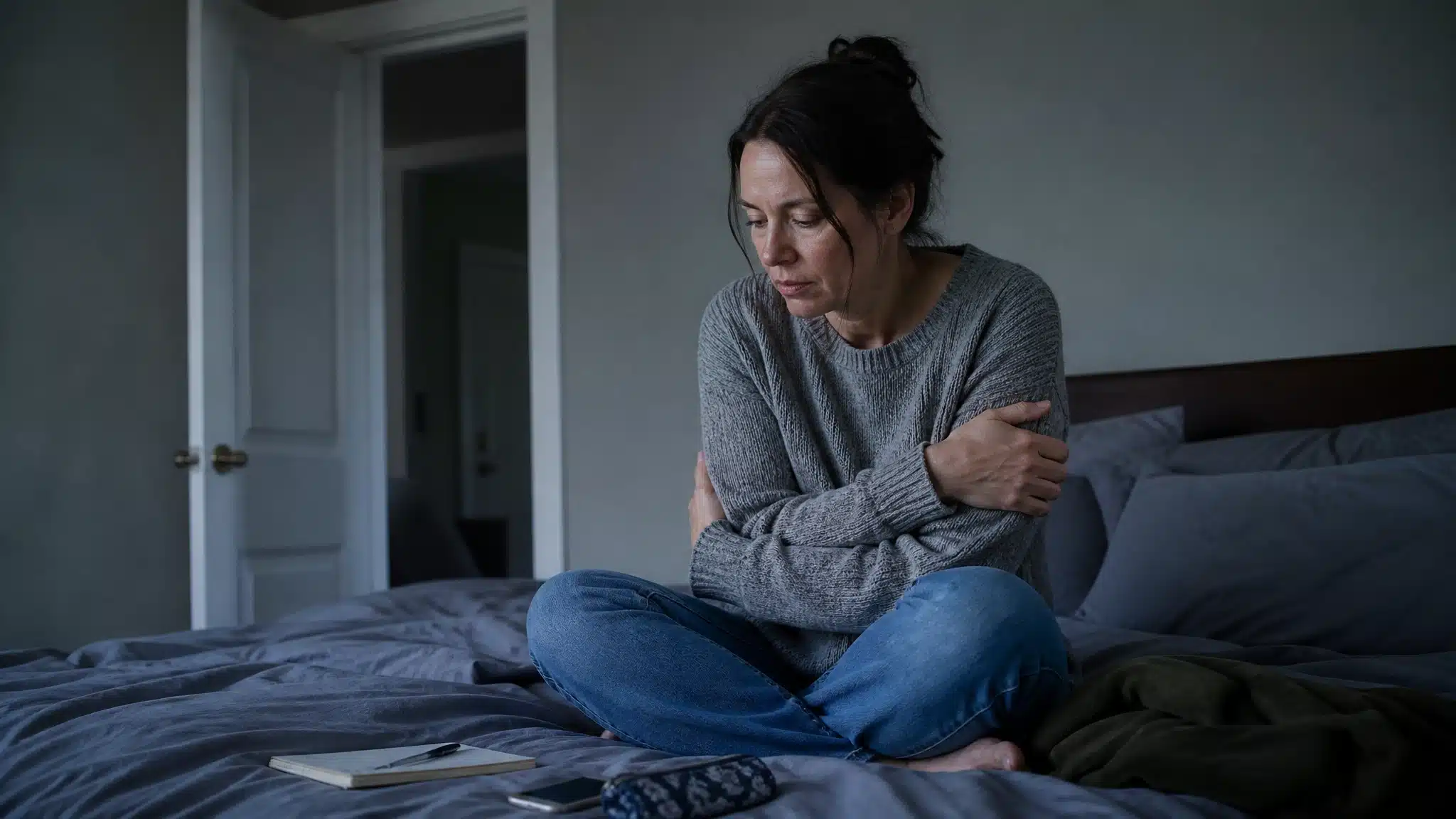
Leaving is complicated because emotional attachment is only one of several forces keeping you in place, so recognizing a trauma bond rarely makes it simple. Fear, financial or practical dependence, and coercive control can compound the feelings you still have for your partner. When apologies or affection arrive unpredictably, they can sustain your hope that the harm will stop. That hope isn’t irrational. It’s a common response to intermittent reinforcement.
Leaving can also carry real risks and logistical barriers, such as finding housing, income, or safe support. Your circumstances are your own, and trauma bonding doesn’t explain every decision to stay. If you remain, return, or keep contact, that doesn’t mean the abuse is acceptable or that you’re responsible for it. Your safety and practical needs deserve equal weight with your emotions.
How can loved ones offer support
Loved ones can offer support by listening without judgment, focusing on safety, and staying consistently present, because that support can matter more than any argument for leaving an abusive partner. Fear, dependence, coercive control, and genuine affection can coexist, so pressuring someone to separate immediately may deepen isolation. Listen without judgment and avoid calling their feelings irrational. Remember staying, returning, or keeping contact doesn’t mean they accept the abuse or caused it.
Focus on safety and practical needs. You can help them think through housing, finances, or childcare, and connect them with domestic-violence advocates who understand the risks leaving can carry. Don’t try to diagnose a “trauma bond.” It’s a descriptive label, not a clinical finding.
Stay consistent. Abusers often isolate partners, so your steady presence keeps a door open.
How do fear and attachment interact
Fear and attachment often coexist, especially when cruelty alternates with tenderness. They don’t cancel each other out, so you can fear a partner and still feel deeply connected to them. Research supports this pattern.
| Pattern | What you might feel | Possible effect |
|---|---|---|
| Unpredictable affection | Relief, hope | Kindness feels more intense |
| Withdrawal or cruelty | Fear, anxiety | You work harder to restore closeness |
| Apologies after harm | Hope for change | Staying feels reasonable |
| Practical dependence | Trapped, uncertain | Leaving feels riskier |
Researchers link this cycle to intermittent reinforcement, though explanations remain incompletely tested. Your attachment isn’t irrational or a sign you accept abuse. It reflects a dynamic someone else created, often alongside real safety and financial barriers. Recognizing this pattern can help you make sense of mixed feelings without blaming yourself.
How does The Villa Treatment Center stand with survivors
The Villa Treatment Center stands with survivors by treating trauma bonding as a response to abuse someone else inflicted, never as a flaw to fix or a choice to defend. We recognize that fear, dependence, and genuine affection can coexist, and that staying, returning, or keeping contact doesn’t mean you accept abuse or caused it.
We won’t push you toward immediate separation. Instead, your care starts with safety, practical needs, and the emotional complexity you’re carrying. Because no standardized trauma-bonding measure exists, we don’t reduce your experience to a score or label. We listen to your history, including past maltreatment or attachment wounds, and address related trauma symptoms. You set the pace. We help you understand the pattern so you can choose your next steps clearly. Healthy vs. toxic attachment is a critical concept to explore as you navigate your emotional landscape. Understanding the differences between these types of connections can empower you to foster healthier relationships in your life.
Find Support for Healing From Trauma Bonding
Trauma bonding can leave you feeling confused, anxious, and emotionally attached to someone who has hurt you. The Villa Treatment Center offers individual therapy to help you process difficult experiences, understand unhealthy relationship patterns, and rebuild confidence. Speak with our team about available treatment options, verify your insurance, or call to discuss your next steps toward emotional recovery.
Frequently Asked Questions
Can Trauma Bonding Happen in Relationships That Are Not Romantic?
Yes, trauma bonding can happen in relationships that are not romantic, though most research focuses on abusive romantic partners. The underlying mechanisms, like alternating cruelty and kindness, fear coexisting with affection, and dependence, aren’t unique to romance, so you might recognize similar patterns with a family member, employer, or group leader. Research on these other relationships is limited, and measures aren’t standardized. If you feel attached to someone who hurts you, that’s not consent or weakness, and you deserve support.
Is Trauma Bonding an Official Mental Health Diagnosis?
No, trauma bonding isn’t an official mental health diagnosis. Researchers and clinicians use the term to describe strong attachment to an abusive partner, often shaped by cycles of cruelty and affection. The phenomenon has limited empirical study, no single accepted theory, and no fully evaluated standardized measure. If you recognize this pattern, it doesn’t mean you consented to abuse. It reflects harmful dynamics your abuser created.
Can a Trauma Bond Be Measured or Tested Reliably?
No, a trauma bond can’t yet be measured or tested reliably. Researchers haven’t established standardized, fully evaluated trauma-bonding measures, so you shouldn’t treat any score as a definitive clinical test. Studies use questionnaires. One with 354 people linked higher scores to childhood maltreatment, attachment insecurity, and post-traumatic stress symptoms. Still, those findings are correlational. If you recognize this pattern, your experience matters, and a trauma-informed professional can help you explore it safely, at your pace.
How Can You Recognize Unhealthy Relationship Patterns Early?
Early warning signs include repeated disrespect for boundaries, controlling behavior, emotional manipulation, and frequent cycles of conflict followed by apologies. You may notice feeling anxious about your partner’s reactions or changing your behavior to avoid disagreements. Pay attention to how consistently someone respects your choices, feelings, and independence. Recognizing these patterns can help you make informed decisions and seek support when needed.
How Long Does It Take to Recover From a Trauma Bond?
Recovering from a trauma bond often takes months to years, and your path won’t match anyone else’s. The pace depends on factors like the length of the relationship, your support system, and whether you have ongoing contact. You can expect complexity: you may still feel attachment, hope, or fear alongside clarity. That doesn’t mean you’re failing or responsible for the abuse. Survivor-centered support can help you prioritize safety, practical needs, and emotional healing at your own pace.