
Recovering from dual smoking and vaping addiction requires professional support, as only 1.4% of users quit both products within a year without help. You’ll face unique challenges due to the neuroadaptive changes from dual nicotine exposure, but combining behavioral therapy with medications like varenicline can increase your quit success by up to 14 times. Your recovery experience needs a personalized treatment plan that addresses both dependencies simultaneously; understanding these intricacies will fortify your path to complete cessation.
The Rising Trend of Dual Use: A Modern Challenge

While tobacco use has declined globally in recent decades, a concerning new pattern has emerged: the simultaneous use of traditional cigarettes and e-cigarettes. You’ll find this trend particularly pronounced in England, where dual use has increased from 3.5% to 5.2% between 2016 and 2024, representing one in 20 adults.
The most dramatic surge has occurred among young adults aged 18-24, where nearly two-thirds of smokers now also vape – a stark increase from one in five in 2016. This shift demands urgent policy reform and targeted public awareness campaigns. Daily smoking and vaping remain the most common pattern, reported by 45% of dual users in 2024. Recent studies show that dual users are less likely to successfully quit smoking compared to those who exclusively use either cigarettes or e-cigarettes. Predominant smokers make up the largest subgroup of dual users across different countries. While comprehensive rates remain relatively low in the US, certain groups face higher risks, including LGBTQ+ individuals and those with psychiatric conditions. The sharp rise post-2021, coinciding with disposable e-cigarettes’ popularity, signals a critical need for intervention.
Breaking Down the Numbers: Success and Relapse Rates
Although success rates for quitting nicotine products remain modest, dual users attempting cessation show promising outcomes when receiving proper treatment. Monthly survey data from England provides crucial insights into population-wide cessation patterns. When quantifying success, data reveals that proper intervention can greatly impact your chances of breaking free from both habits. Research conducted at Washington University School of Medicine demonstrates the growing complexity of nicotine addiction treatment. Having a smoke-free home significantly increases the likelihood of achieving cigarette abstinence.
While quitting nicotine is challenging, dual users who seek proper treatment have significantly better chances of achieving successful cessation.
Key statistics show:
- 29% of dual users quit all nicotine products within 12 months with treatment
- Treatment using varenicline increases your quit success by 10.9-14.0 times
- 20.9% of daily vapers achieve cigarette abstinence at follow-up
- You’re likely to reduce cigarette consumption by three per day as a dual user
Several influencing factors determine your success, including pharmacotherapy, professional support, and personal motivation. Without treatment, only 17% achieve complete cessation, highlighting the importance of seeking proper medical intervention for ideal results.
The Science Behind Dual Addiction Patterns
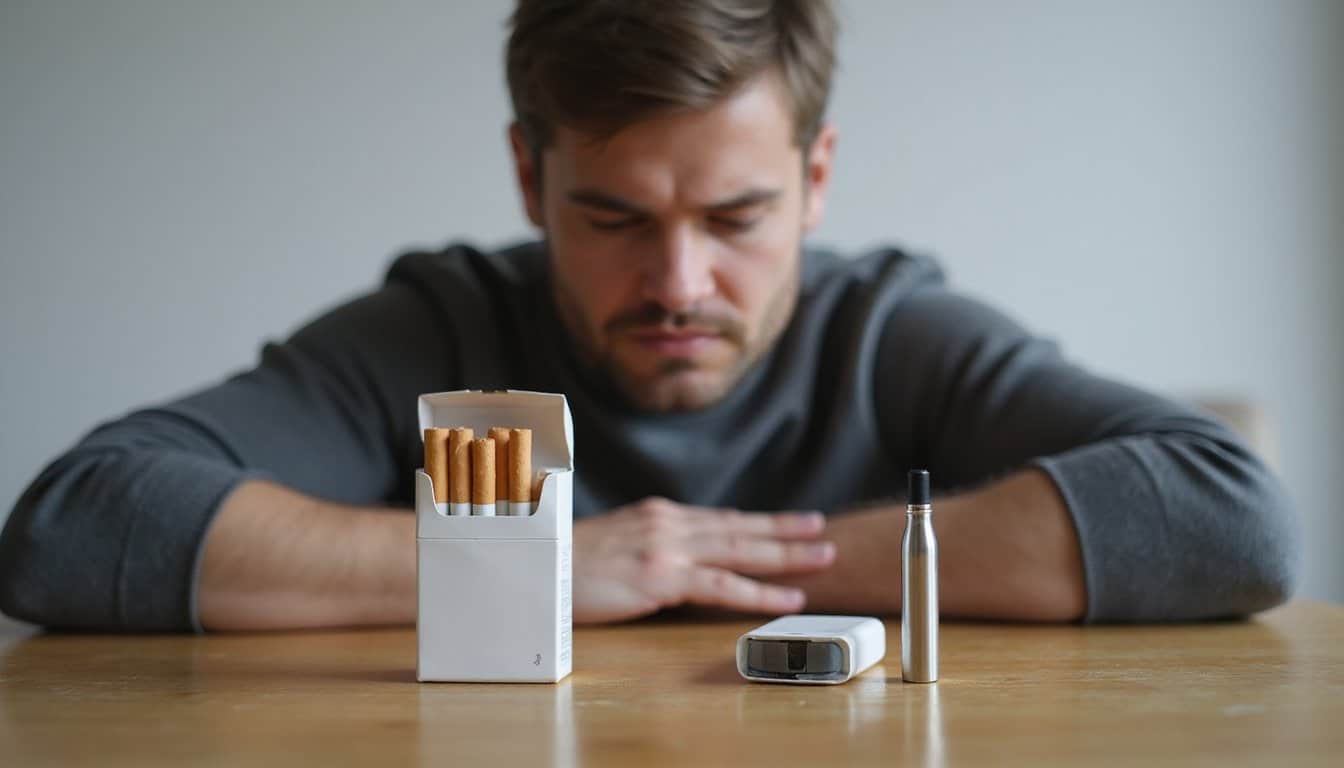
The neurobiological mechanisms driving dual nicotine addiction paint a complex picture of brain chemistry and behavioral reinforcement. When you use both cigarettes and e-cigarettes, you’re activating nicotinic acetylcholine receptors that trigger dopamine release in your brain’s reward centers. This dual exposure intensifies nicotine dependence pathways, creating a more challenging cycle of addiction.
Your brain undergoes reinforcing neuroadaptive changes as it responds to the combined nicotine sources. When you vape to manage cigarette withdrawal symptoms (or vice versa), you’re inadvertently strengthening cross-dependence patterns. Research shows this creates a powerful feedback loop: the more you rely on both products to manage cravings, the stronger your comprehensive addiction becomes. This neurobiological interplay helps explain why only 1.4% of dual users successfully quit both products within a year. Recent studies have shown that both exclusive smokers and dual users experience withdrawal reductions after using their preferred nicotine products.
Treatment Options and Their Effectiveness
When you’re battling dual addiction to smoking and vaping, professional support substantially increases your chances of success compared to attempting recovery alone. Research shows that combining behavioral therapy with pharmacological treatments like varenicline or nicotine replacement therapy yields better outcomes than self-guided approaches. Your treatment plan should be personalized based on your dependency levels and usage patterns, as targeted interventions improve abstinence rates by 5-10 percentage points over standard protocols. Recent studies demonstrate that self-help intervention materials delivered monthly over an 18-month period can effectively support smoking cessation efforts.
Professional Support Boosts Success
Professional support drastically increases the likelihood of successfully quitting both smoking and vaping, with evidence showing that untreated quit attempts yield only a 5% success rate. Through customized programs and combination therapies, you’ll gain access to proven interventions that markedly enhance your chances of recovery.
Your healthcare provider can guide you through evidence-based approaches that optimize success:
- Varenicline treatment, which increases quit rates by 3-5.8 times compared to non-users
- Weekly phone-based support sessions to maintain accountability
- Personalized behavioral counseling combined with FDA-approved medications
- Regular physician check-ins to adjust treatment strategies based on your progress
With professional guidance, you’ll receive structured support that addresses both smoking and vaping dependencies simultaneously, leading to substantially higher abstinence rates compared to self-guided attempts.
Therapy vs. Self-Guided Approaches
Although many dual users attempt to quit independently, evidence demonstrates that therapy-based approaches combining counseling and medication yield markedly higher success rates than self-guided methods. While self-guided strategies like gradual reduction or “cold turkey” are common, they rarely lead to sustained abstinence from both cigarettes and vaping. A recent study found that dual users comprised 50% of participants seeking professional treatment support.
Your chances of quitting successfully increase dramatically through a comprehensive care model that includes FDA-approved medications and behavioral support. Medication compliance plays a central role; when you combine varenicline with weekly counseling, you’re up to 14 times more likely to quit both habits compared to attempting without medication. While nicotine replacement therapy alone shows limited effectiveness for dual users, pairing it with professional counseling greatly improves your odds of achieving complete cessation from both products.
Personalized Treatment Planning Essential
Successful treatment of dual smoking and vaping addiction requires an all-encompassing, individualized approach based on multiple factors. Your healthcare provider will conduct a thorough dependence assessment to create personalized interventions that match your specific needs and circumstances.
Key elements that shape your treatment plan include:
- Your current nicotine dependence levels for both cigarettes and e-cigarettes
- Your personal motivations for quitting (health concerns, financial impact, family)
- Your history of previous quit attempts and their outcomes
- The presence of any mental health or substance use conditions
Research shows that targeted interventions developed for dual users achieve 5-10% higher abstinence rates. You’ll likely benefit from a combination of pharmacotherapy and behavioral support, with options ranging from cytisinicline and NRT to ACT therapy, depending on your assessment results.
Common Barriers to Complete Cessation
While attempting to quit both smoking and vaping simultaneously, users face multiple interconnected barriers that complicate the cessation process. You’ll encounter intense withdrawal symptoms, including anxiety and irritability, which can trigger relapse when combined with environmental cues and social pressures. Daily routines and habitual behaviors become deeply ingrained, making it challenging to break free from automatic usage patterns. Young adults are particularly vulnerable during this period due to transitional stressors in their lives.
Your success in relapse prevention is further hindered by the high accessibility of devices and nicotine products, along with limited evidence-based treatment options specifically designed for dual users. Moreover, you’re likely to face psychological hurdles, as nicotine often serves as a coping mechanism for stress and negative emotions. The perceived social acceptability of vaping compared to smoking can also reduce your motivation to quit both products completely.
Health Implications of Combined Usage

The simultaneous use of traditional cigarettes and e-cigarettes creates a dangerous synergy of health risks that exceeds the harm of either product alone. Your body faces cumulative health risks through dual exposure to both smoke toxicants and vapor chemicals, leading to intensified damage across multiple organ systems. Fruit flavored options remain most popular among dual users, potentially masking the severity of health impacts. LGBTQ+ adults show higher rates of dual use compared to non-LGBTQ+ adults, highlighting concerning health disparities among vulnerable populations. Research indicates that dual use frequently leads to increased depression symptoms compared to non-users.
Using both traditional cigarettes and e-cigarettes exposes your body to compounded health dangers beyond the risks of each product individually.
When you engage in dual use, you’ll experience:
- Double exposure to nicotine, increasing addiction potential and brain development risks
- Amplified cardiovascular strain from combined endothelial dysfunction
- Accelerated lung damage from both combustion products and vapor particles
- Greater susceptibility to long-term health complications
These risks are particularly pronounced among populations facing socioeconomic disparities, including marginalized groups and those with existing health conditions. While many long-term effects remain under investigation, current evidence clearly demonstrates that dual use markedly compromises your health outcomes compared to using either product independently.
Strategies for Breaking Free From Both Habits
Your success in breaking free from dual smoking and vaping habits requires a personalized treatment plan that combines effective pharmacological options like varenicline with targeted behavioral support. You’ll need to identify your unique usage patterns and triggers through careful self-monitoring and professional assessment, as evidence shows combined approaches yield higher abstinence rates. Understanding your specific trigger-response patterns enables you to develop customized coping strategies, whether through medication, routine changes, or alternative activities that effectively disrupt habitual use.
Personalized Treatment Plan Success
Successfully breaking free from dual smoking and vaping addiction requires a personalized treatment approach combining proven pharmacological and behavioral interventions. Your customized cessation guidance should reflect your unique usage patterns, triggers, and readiness to quit.
Research shows that integrating multiple strategies significantly increases your success rates:
- Medication support through varenicline or NRT, which can enhance your abstinence rates up to 14 times
- Regular behavioral counseling sessions to address psychological dependence
- Systematic nicotine reduction through gradual weaning of both products
- Ongoing professional monitoring with relapse prevention strategies
Your healthcare provider can help tailor this evidence-based framework, adjusting interventions based on your progress and withdrawal symptoms. Remember, dual users face heightened addiction challenges, making professional oversight particularly essential for long-term success.
Understanding Trigger-Response Patterns
Breaking free from dual smoking and vaping addiction requires mastering your personal trigger-response patterns. Through trigger mapping, you’ll identify specific situations, emotions, and environments that spark your nicotine cravings. Common triggers include stress, anger, boredom, and social settings where you previously smoked or vaped. Nicotine’s power as both a primary reinforcing component and a conditioned stimulus makes breaking these habits particularly challenging. The intense withdrawal symptoms can include irritability and anxiety, making the initial quitting phase especially difficult.
Your brain has formed powerful associations through both classical and operant conditioning, making emotional regulation particularly challenging during recovery. When you encounter triggers, dopamine systems activate, creating intense urges based on anticipated rewards. Understanding this neurological response helps explain why certain cues feel overwhelming. You’ll need to actively disrupt these patterns by implementing replacement behaviors, restructuring your daily routines, and developing targeted coping strategies for high-risk situations. Success comes from recognizing and systematically addressing each trigger in your recovery expedition.
The Role of Professional Support in Recovery
When seeking recovery from dual smoking and vaping addiction, professional support plays a pivotal role in achieving successful cessation. Evidence shows that accessing professional support greatly increases your chances of quitting, yet less than 40% of individuals utilize proven treatments during quit attempts.
Your path to recovery becomes more achievable when you overcome intervention barriers and engage with healthcare providers who can offer:
- Combined behavioral counseling and FDA-approved medications, increasing quit rates by 50-60%
- Customized treatment plans addressing both smoking and vaping dependencies
- Regular follow-up care and support through multiple quit attempts
- Integration of cessation services into your primary healthcare routine
Even brief professional interventions under three minutes can measurably improve your chances of successful quitting, making it essential to connect with qualified healthcare providers during your recovery process.
Understanding Behavioral Triggers and Dependencies
Professional support sets a strong foundation for recovery, but identifying your personal triggers and understanding dependency patterns marks the next critical step in overcoming dual addiction. Your cravings management techniques must address both environmental and psychological dependencies that fuel your smoking and vaping behaviors.
You’ll need to recognize how social gatherings, stress, and daily routines act as powerful triggers, while implementing environmental modification strategies to reduce exposure to these cues. Your nicotine dependency isn’t just physical; it’s deeply intertwined with mood regulation and coping mechanisms. By understanding how you use both products to manage emotional distress and anxiety, you can develop healthier alternatives. Pay attention to social influences and product-specific factors that reinforce your habits, as these insights will strengthen your recovery strategy.
Long-Term Outlook for Dual Users Seeking Change
Despite high initial motivation levels among dual users, the long-term outlook for successfully quitting both smoking and vaping presents considerable challenges. Managing dual use over time reveals concerning patterns, with most users either continuing or reverting to exclusive cigarette smoking within 8-48 months.
The challenges of prolonged dual dependence manifest in four key ways:
- Only 13% achieve complete abstinence after 16-24 months
- 30-58% revert to exclusive cigarette use between 8-48 months
- The average reduction is merely three cigarettes per day compared to exclusive smokers
- Without cessation treatment, only 17% become non-smokers after 12 months
Your chances of successful cessation improve dramatically with professional treatment, increasing to 29% at 12 months. However, sustained abstinence requires addressing both dependencies simultaneously, as the data shows most individuals struggle to maintain lasting change independently.
Frequently Asked Questions
How Do Family Dynamics and Relationships Change During Dual-Use Recovery?
During recovery, you’ll notice significant shifts in your family communication strategies, moving from patterns of secrecy to open dialogue. You’ll develop healthier boundaries while rebuilding trust through consistent, honest interactions. Your emotional support networks will evolve as family members shift from enabling behaviors to providing structured encouragement. You’ll learn to express concerns without blame, and family therapy can help you establish new ways of relating that support long-term recovery success.
What Dietary Changes Can Help Manage Cravings for Both Cigarettes and Vaping?
You’ll need to focus on healthier meal planning with regular, balanced meals every 3-4 hours to stabilize blood sugar and reduce cravings. Increase your hydration by drinking water throughout the day to combat oral fixation. Choose complex carbohydrates, lean proteins, and high-fiber foods to maintain satiety. Replace smoking rituals with healthy alternatives like herbal teas or crunchy vegetables. Track your food intake to identify patterns between nicotine cravings and eating behaviors.
Can Alternative Stress-Relief Activities Effectively Replace Both Smoking and Vaping Habits?
Yes, alternative stress-relief activities can effectively replace both smoking and vaping habits. You’ll find that mindfulness techniques, like deep breathing and meditation, directly counter the stress response that triggers nicotine cravings. Building strong social connections and engaging in physical activities provides the emotional support and natural endorphins your body seeks. Research shows these alternatives actually manage stress more effectively than nicotine, which often amplifies anxiety in the long run.
How Does Sleep Quality Improve After Quitting Both Smoking and Vaping?
You’ll experience significant sleep improvements after quitting both smoking and vaping. As nicotine leaves your system, you’ll notice faster sleep onset and more restful sleep patterns. While you might face temporary insomnia during withdrawal, your improved sleep hygiene will become evident within weeks. You’ll gain access to deeper sleep stages, better oxygenation during rest, and amplified melatonin production. Long-term benefits include reduced sleep apnea risk and more consistent sleep-wake cycles.
What Workplace Policies Best Support Employees Trying to Quit Dual Use?
You’ll find the most success with employers who implement broad cessation programs that address both smoking and vaping simultaneously. Look for workplaces offering personalized support services, including counseling and nicotine replacement therapy through their health benefits. The most effective policies combine strict indoor/outdoor tobacco-free rules with confidential assistance through EAPs. You should also have access to digital tools, wellness incentives, and ongoing support groups to optimize your quit success.