
Fentanyl’s addictive because it’s highly fat-soluble and about 50 to 100 times more potent than morphine. It crosses into your brain rapidly, binds opioid receptors, and triggers euphoria, relaxation, and pain relief faster than most opioids. That speed strengthens reinforcement. With repeated use, your brain adapts, so you’ll need more to feel the same effect. Withdrawal and intense cravings then follow, reflecting brain changes, not weak willpower. Understanding these changes shows you how recovery becomes possible.
Key Takeaways
- Fentanyl is highly fat-soluble, letting it enter the brain rapidly and produce faster, stronger rewarding effects than morphine.
- It is about 50 to 100 times more potent than morphine, intensely activating opioid receptors that control pain, reward, and breathing.
- Binding to reward-related opioid receptors produces euphoria and relaxation, powerfully reinforcing the desire to keep using.
- Repeated use builds tolerance, so larger or more frequent doses are needed to achieve the same effect.
- Physical dependence causes painful withdrawal symptoms and intense cravings, driving continued use and making quitting difficult without treatment.
Why is fentanyl so addictive

Fentanyl is so addictive because it is highly fat-soluble, so it reaches your brain rapidly, and faster delivery strengthens opioid reward. It’s also 50–100 times more potent than morphine, activating opioid receptors that control pain, reward, and breathing. The risks of fentanyl are profound and far-reaching. Overdose deaths have surged in recent years, often linked to its presence in counterfeit pills and other illicit drugs.
What makes fentanyl addictive goes beyond that first rush. With repeated use, your brain adapts. You develop tolerance, so you need more to feel the same effects. Your body becomes dependent, and stopping can trigger muscle aches, anxiety, nausea, and chills. Avoiding withdrawal then drives continued use. The fentanyl dependence timeline can vary significantly from person to person. Early intervention can help disrupt the progression of dependence and minimize the withdrawal symptoms.
How does fentanyl hijack the brain’s reward system
Fentanyl hijacks your brain’s reward system by binding to opioid receptors involved in reward, producing euphoria and relaxation along with pain relief. Because it’s highly fat-soluble, it enters your brain rapidly, and its effects can begin faster than morphine’s. That speed matters: faster delivery tends to strengthen reinforcement, so your brain forms a tight link between using and feeling relief or pleasure.
With repeated use, your brain activity changes in ways that motivate you to keep using, even when you’re facing harmful consequences. You may notice cravings and find it harder to control how much or often you use. Over time, you might use less to feel good and more to avoid distress or withdrawal. These changes reflect brain adaptation, not a lack of willpower.
What makes fentanyl stronger than other opioids
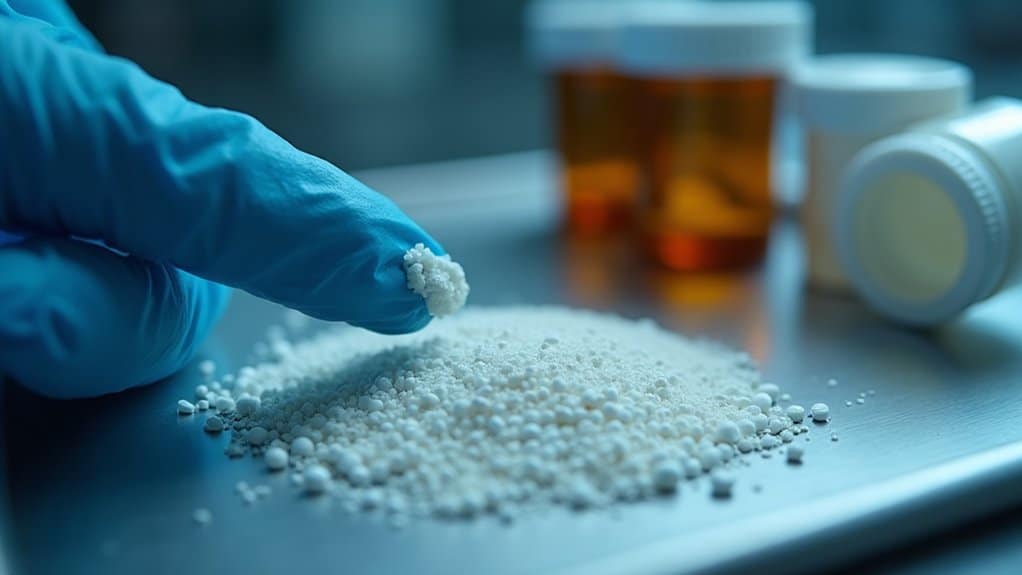
Fentanyl is about 50 to 100 times stronger than morphine, and it’s highly fat-soluble, so it crosses into your brain rapidly. As a result, its effects can begin faster than morphine’s. That speed matters. When an opioid reaches your brain quickly, it tends to reinforce use more strongly.
In the brain, fentanyl activates opioid receptors that control pain, reward, and breathing. The same action that produces relief and euphoria can also slow your breathing. That leaves a narrow margin between the effect you’re seeking and life-threatening toxicity. Even a small difference in dose can have serious consequences.
Illicit fentanyl adds another danger. Its contents and potency are unpredictable, so you can’t reliably know how much you’re taking.
How fast does tolerance build
Tolerance builds with repeated fentanyl use, at a speed that varies from person to person.
As your body adapts, the same amount produces less effect. You may find yourself taking larger amounts or using more often to get the relief or euphoria you once felt. That escalation raises your risk of overdose, and fentanyl’s high potency means even small dose differences can slow your breathing to a dangerous level. Illicit fentanyl’s unpredictable contents make this worse, since you can’t know exactly how much you’re taking.
Tolerance also works in reverse. If you stop using for a while, it falls. Returning to your previous amount after a break can then overwhelm your body, which is why overdose risk rises sharply after periods of abstinence.
Why do cravings become so intense

Fentanyl cravings become so intense because repeated use changes how your brain responds to reward. Fentanyl reaches your brain quickly and strongly activates opioid receptors, so you link the drug with fast relief, euphoria, or relaxation. That tight connection teaches your brain to prioritize fentanyl over other needs.
Pleasure isn’t all that drives cravings over time. As your body becomes dependent, stopping can trigger muscle aches, anxiety, agitation, nausea, vomiting, chills, and diarrhea. You may then use fentanyl to avoid that distress, which reinforces the cycle further.
These changes can make it hard to control how much or how often you use, even when you’re facing serious consequences. Intense cravings reflect real brain adaptation, not weak willpower, and they’re a recognized feature of opioid addiction.
What makes quitting so difficult
Fentanyl changes your brain and body, creating physical dependence that makes stopping hard, and cravings are only one part of it. When you use fentanyl repeatedly, your body adapts to its presence. If you stop, you can feel unable to function normally, and withdrawal often follows:
Fentanyl reshapes your brain and body, so stopping can leave you unable to function normally as withdrawal takes hold.
- Physical symptoms: muscle aches, chills, nausea, vomiting, and diarrhea
- Emotional distress: anxiety and agitation that can feel overwhelming
- Relief-seeking: using again simply to make withdrawal stop
Over time, you may keep using to avoid distress rather than to feel pleasure. Tolerance adds another risk: after a break, your tolerance drops, so returning to your previous amount can cause a life-threatening overdose. These challenges reflect brain and body changes, not a lack of willpower. You don’t have to face them alone, and medical support can help you.
How does fentanyl compare with other opioids
Fentanyl is about 50 to 100 times more potent than morphine, so even a tiny difference in amount can have serious effects. Because it’s highly fat-soluble, it reaches your brain faster than morphine does, and faster delivery strengthens reward and reinforces repeated use.
| Factor | Fentanyl | Morphine |
|---|---|---|
| Potency | 50–100 times stronger | Reference standard |
| Brain entry | Rapid | Slower |
| Dose margin | Dangerously narrow | Wider |
| Supply | Often illicit, unpredictable | Typically prescribed, measured |
For you or someone you love, that narrow margin matters. The same receptor activity that eases pain can slow breathing to a life-threatening level. Illicit fentanyl’s unpredictable contents make it hard to know what you’re taking, and after a break, lower tolerance makes a familiar amount riskier. These risks reflect chemistry, not a lack of willpower. Symptoms of fentanyl use can manifest in various ways, including confusion, dizziness, and extreme drowsiness. Recognizing these symptoms early can be crucial for taking timely action to prevent overdose.
How does The Villa Treatment Center help break fentanyl addiction
The Villa Treatment Center helps break fentanyl addiction with a care plan that targets the forces that keep it going: physical dependence, withdrawal, tolerance, and brain changes that drive craving and compulsive use. Addiction isn’t a failure of willpower, so treatment addresses each of these factors. Effective support helps you:
- Manage withdrawal safely, easing symptoms like muscle aches, anxiety, nausea, and chills that can push you back toward use
- Understand craving and the brain adaptations behind compulsive use, so you can build skills to regain control
- Protect yourself from overdose, since tolerance drops after a period without opioids and returning to previous amounts can be deadly
Fentanyl’s potency and unpredictable supply leave little margin for error. Compassionate, structured treatment gives you a safer path toward lasting recovery.
Get Help Breaking the Cycle of Fentanyl Addiction
Fentanyl’s powerful effects on the brain can make cravings and withdrawal difficult to manage alone. The Villa Treatment Center offers medical detox services and recovery support to help you address physical dependence and work toward recovery. Speak with our team about your treatment options, verify your insurance, or call to discuss how to get started with treatment.
Frequently Asked Questions
Can Naloxone Reverse a Fentanyl Overdose, and How Is It Used?
Yes, naloxone can reverse a fentanyl overdose by blocking opioid receptors and restoring breathing, though you may need more than one dose. If you suspect an overdose, call 911 first. Lay the person on their back, insert the nasal spray into one nostril, and press the plunger. If they don’t respond within two to three minutes, give another dose. Stay with them, since naloxone can wear off before fentanyl does.
What Are the Warning Signs of a Fentanyl Overdose?
The most dangerous warning sign of a fentanyl overdose is slow, shallow, or stopped breathing, because fentanyl suppresses the brain systems that control respiration. You may also notice pinpoint pupils, blue or gray lips and fingertips, choking or gurgling sounds, a limp body, cold clammy skin, or someone you can’t wake. If you see these signs, call 911 immediately, give naloxone, and stay with the person. Your quick action can save a life.
Can Touching Fentanyl Cause an Overdose or Addiction?
Brief skin contact with fentanyl is unlikely to cause an overdose or addiction. Fentanyl powder doesn’t absorb through intact skin quickly enough to produce meaningful effects, so you can’t become addicted from incidental touch. You should still wash your hands with soap and water, not hand sanitizer, and avoid touching your eyes, nose, or mouth. Because it’s so potent, the real danger comes from swallowing, inhaling, snorting, or injecting it.
Can Fentanyl Addiction Develop After Only a Few Uses?
Yes, fentanyl addiction can develop relatively quickly because the drug is highly potent and strongly activates the brain’s reward system. Repeated use can reinforce cravings and make it harder to control drug use. However, there is no fixed number of doses that causes addiction. The risk depends on factors such as frequency of use, dose, and individual health. Early warning signs include intense cravings, increasing use, and difficulty stopping despite harmful consequences.
What Treatment Options Help Reduce Fentanyl Cravings?
Medications such as buprenorphine and methadone can help reduce fentanyl cravings and withdrawal symptoms by acting on the brain’s opioid receptors. These treatments can make it easier to avoid illicit opioid use and stay engaged in recovery. Counseling and behavioral therapy can also help you identify triggers and develop healthier coping strategies. A healthcare professional can assess your needs and recommend an appropriate treatment plan, including how long medication should continue.