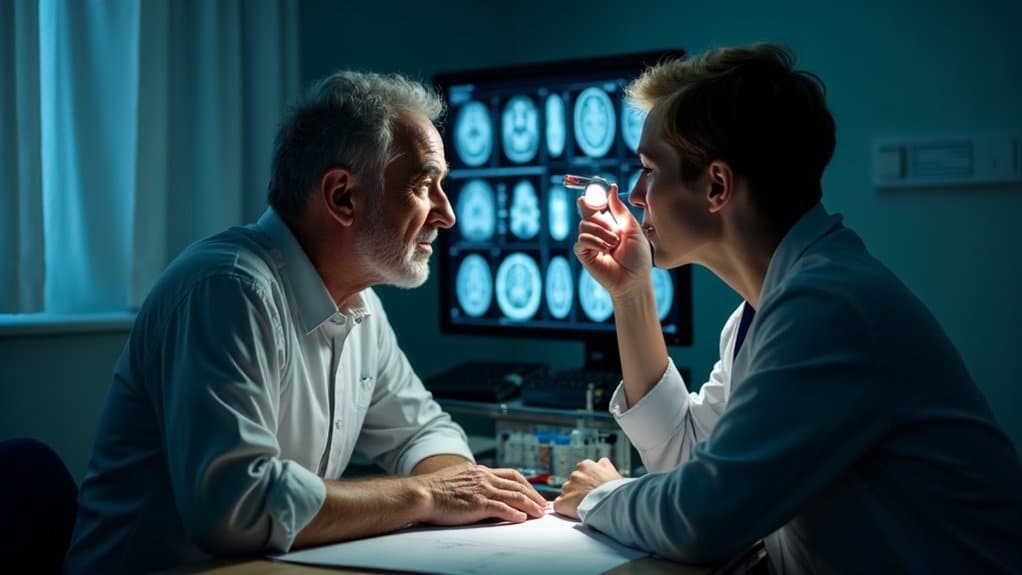
Fentanyl is a synthetic opioid up to 50 times stronger than heroin and 100 times stronger than morphine. Doctors prescribe it for severe pain, but illicit fentanyl often hides in other drugs, and you can’t see, taste, or smell it. It can quickly slow your breathing to dangerous levels. Repeated use also builds tolerance and addiction risk. You can recover with proven medications and behavioral therapy, and the sections ahead show how each step works.
Key Takeaways
- Fentanyl is a synthetic opioid up to 50 times stronger than heroin and 100 times stronger than morphine, used medically for severe pain.
- Illicit fentanyl is often mixed into other drugs and cannot be detected by appearance, taste, or smell.
- Fentanyl produces euphoria, sedation, confusion, and pinpoint pupils, but its greatest danger is dangerously slowed breathing.
- Repeated use builds tolerance and compulsive use, and returning to prior doses after a break greatly increases fatal overdose risk.
- Effective recovery combines FDA-approved medications like methadone, buprenorphine, or naltrexone with behavioral therapy and ongoing support, not detox alone.
What is fentanyl
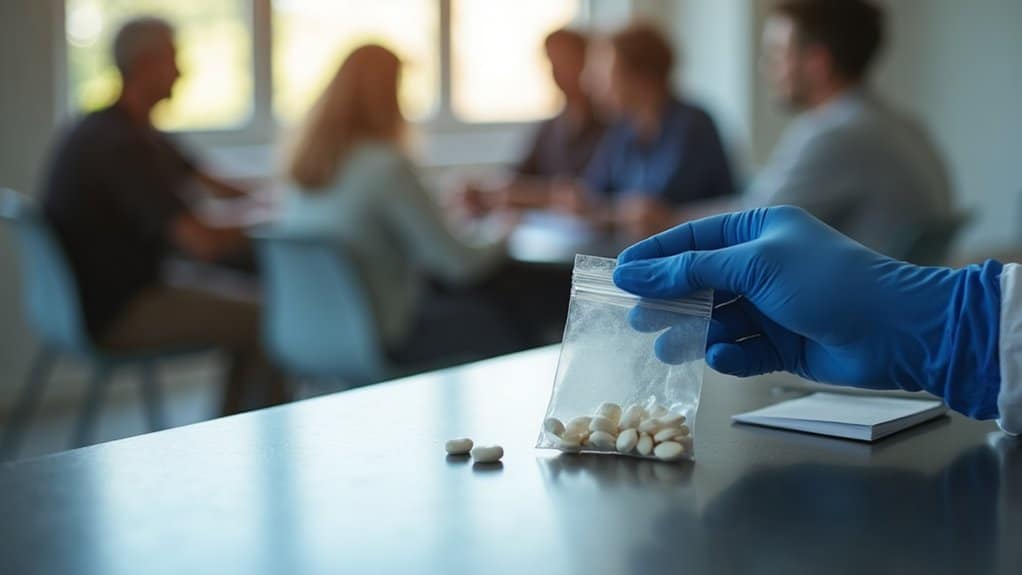
Fentanyl is a synthetic opioid up to 50 times stronger than heroin and 100 times stronger than morphine. Doctors prescribe it to manage severe pain, such as pain after surgery, but it’s also one of the most dangerous drugs in the illegal supply. Illicitly manufactured fentanyl often gets mixed into other drugs, so you could take it without knowing. You can’t detect it by appearance, taste, or smell, though test strips can reveal its presence.
Because it’s so potent, fentanyl effects can begin quickly and include sedation, confusion, and dangerously slowed breathing. Even a small amount may exceed what your body can tolerate. With repeated use, fentanyl addiction can develop, but it’s a treatable medical condition, and lasting recovery is possible.
What are the effects of fentanyl on the body
Fentanyl affects the body by acting on the brain’s opioid receptors, causing pain relief, euphoria, relaxation, and sedation. You might also experience confusion, drowsiness, dizziness, nausea, or vomiting. Your pupils can shrink to pinpoints, and your concentration and decision-making may weaken.
The most serious danger involves breathing. Opioids affect the brain systems that regulate respiration, and fentanyl can slow your breathing to a life-threatening level. Because effects often begin quickly and the drug is extremely potent, you can easily take more than your body tolerates.
With repeated use, these changes can progress into fentanyl addiction symptoms, such as needing larger doses or continuing despite harm. If you recognize these patterns, you’re not alone, and fentanyl recovery is possible with evidence-based treatment and continued care.
What are the risks of fentanyl addiction


The main risks of fentanyl addiction are compulsive use despite clear harm, rising tolerance, and a high chance of fatal overdose. Repeated use changes brain activity in ways that reinforce continued use, even when the harm becomes clear. Over time, you may develop tolerance, meaning you’ll need larger or more frequent doses to feel the same effects. That escalation raises your overdose risk, especially because fentanyl can slow your breathing to a life-threatening level.
Tolerance also works in reverse. If you stop using for a while, your body loses that tolerance, and returning to your previous dose can be especially dangerous.
Illicit drug supplies add another layer of risk: they may contain fentanyl you didn’t know about, so you can’t reliably gauge what you’re taking.
Still, fentanyl addiction isn’t a personal failing. It’s a treatable chronic medical condition, and effective help exists.
How does fentanyl use show up day to day
Fentanyl use often shows up as daily shifts in alertness, mood, and focus. You might notice drowsiness, slowed responses, or sudden sedation that’s out of step with the situation. Pinpoint pupils, confusion, and trouble concentrating or making decisions can also appear, along with nausea, dizziness, or vomiting.
Euphoria and relaxation may alternate with irritability as effects wear off. Over time, tolerance can push you or someone you love toward larger or more frequent doses. Use can continue despite clear harm to work, health, or relationships.
Watch breathing closely. Slow, weak, or shallow breaths signal danger, not just deep sleep. If someone can’t be woken, call emergency services and give naloxone if you have it. These patterns reflect a treatable medical condition, not a personal failing.
How does fentanyl dependence take hold

Fentanyl dependence often takes hold gradually, through repeated exposure rather than a single choice. Each time you use fentanyl, it changes activity in brain systems that drive reward and motivation, reinforcing continued use even when you’re facing harmful consequences.
Fentanyl dependence builds gradually, as repeated use reshapes your brain’s reward systems and reinforces use despite harmful consequences.
Several related processes can deepen this pattern:
- Tolerance develops, so you may need larger or more frequent doses to feel similar effects.
- Contaminated drug supplies can expose you to fentanyl without your knowledge.
- After a break, your tolerance drops, making a return to your previous dose especially dangerous.
- Combining fentanyl with other substances can produce stronger, less predictable effects.
None of this reflects a personal failing. Fentanyl addiction is a treatable chronic medical condition, and recognizing how it develops helps you seek effective care and support sooner. Fentanyl and addiction risk can increase with factors such as genetics and environmental influences. Support networks play a vital role in recovery, emphasizing the need for community awareness and education.
What treatment and recovery options exist
Fentanyl addiction treatment combines proven medications with behavioral therapy and ongoing support, much like care for other long-term illnesses, because fentanyl addiction is a treatable chronic condition.
Medications for opioid use disorder are the standard treatment. If you’re seeking help, your clinician may discuss three FDA-approved options: methadone, buprenorphine, and naltrexone. Each works differently, so you’ll choose one together based on your health, history, and goals.
Behavioral therapy complements medication by helping you recognize triggers, manage cravings, and build coping skills. Detox alone isn’t enough. It addresses withdrawal but doesn’t treat the underlying disorder, and continued care protects your progress.
A strong recovery plan also reaches beyond symptoms. It can address your medical, behavioral, social, occupational, and family needs, so you’re supported at work and home.
How do prescription and illicit fentanyl compare
Prescription and illicit fentanyl are the same potent opioid, but they reach people in very different ways.
| Feature | Prescription Fentanyl | Illicit Fentanyl |
|---|---|---|
| Purpose | Treats severe pain, including after surgery | Sold through illegal drug markets |
| Dose control | Measured and medically supervised | Unknown and unpredictable |
| Awareness | You know what you’re taking | Often hidden in other drugs |
Synthetic opioids, including illicit fentanyl, contribute to nearly 70% of overdose deaths. You can’t detect it by appearance, taste, or smell, and because it’s up to 50 times stronger than heroin, even a small amount can slow your breathing to a life-threatening level. Test strips can reveal its presence, but a negative result doesn’t make use risk-free. Keep naloxone nearby, and never use alone. Your life and safety matter.
Why choose The Villa Treatment Center for fentanyl recovery
The Villa Treatment Center treats fentanyl addiction as the chronic, treatable medical condition it is, with care built on evidence, not shortcuts. Detox alone isn’t enough, so your plan should continue well beyond withdrawal. Look for these core elements:
Fentanyl addiction is a chronic, treatable condition, and real recovery continues well beyond detox with evidence-based care, not shortcuts.
- Medications for opioid use disorder: FDA-approved options like methadone, buprenorphine, and naltrexone can reduce cravings and support stability.
- Behavioral therapy: You’ll address the patterns that reinforce continued use despite harm.
- Overdose prevention education: You’ll learn how lowered tolerance raises risk and how naloxone can save a life.
- Whole-person planning: Your recovery plan can address medical, behavioral, social, occupational, and family needs.
Fentanyl’s potency leaves little margin for error. Reach out today, and take your first step toward lasting recovery.
Take the First Step Toward Fentanyl Recovery
Fentanyl’s potency makes addiction and overdose serious risks, but effective treatment is available. The Villa Treatment Center offers medical detox services and continued recovery support to help address opioid dependence. Speak with our team about your symptoms, available treatment options, and recovery needs. You can verify your insurance or call to discuss getting started with treatment.
Frequently Asked Questions
What Should You Do if Someone Is Overdosing on Fentanyl?
Call emergency services right away if you suspect someone is overdosing on fentanyl. Give naloxone if you have it. It can reverse a fentanyl overdose, and you may need more than one dose. Try to keep the person awake and breathing, and place them on their side to help prevent choking. Don’t ever leave them alone. Stay with them until emergency responders arrive, watching closely for slow, weak, or stopped breathing.
How Does Naloxone Reverse a Fentanyl Overdose?
Naloxone blocks opioid receptors in the brain, knocking fentanyl off them and restoring the breathing that fentanyl has slowed to a dangerous level. You’ll often see effects within minutes. Because fentanyl’s so potent, you may need to give more than one dose. Naloxone’s effects can wear off before fentanyl’s do, so you shouldn’t leave the person alone. Call emergency services, keep them on their side, and stay until help arrives.
Can Fentanyl Test Strips Make Drug Use Completely Safe?
No, fentanyl test strips can’t make your drug use completely safe. They can detect fentanyl, but a negative result doesn’t rule out risk. You can still overdose, and combining drugs can produce stronger, unpredictable effects. If you use, keep naloxone nearby, call emergency services at any overdose sign, and remember your tolerance drops after time without use. If you’re ready, medications like buprenorphine or methadone can support your long-term recovery.
Why Is Relapse After a Period of Not Using Especially Dangerous?
Relapse is especially dangerous because your body loses tolerance after time away from fentanyl, so a dose you once handled can now slow your breathing to a life-threatening level. Fentanyl’s extreme potency leaves little margin for error, and illicit supplies can contain unexpected amounts. If you’re returning to use, carry naloxone, avoid using alone, and don’t mix drugs. You can also reach out for treatment. Medications like buprenorphine or methadone can support your lasting recovery.
How Can Families Support a Loved One Struggling With Fentanyl Use?
Families can support a loved one struggling with fentanyl use by treating addiction as the chronic, treatable condition it is. Encourage evidence-based care: medications like methadone, buprenorphine, or naltrexone, paired with behavioral therapy. Remind them detox alone isn’t enough. Keep naloxone readily available at home, learn overdose signs like slow breathing and pinpoint pupils, and call emergency services immediately. Address medical, social, and family needs together, and you’ll help them sustain long-term recovery.