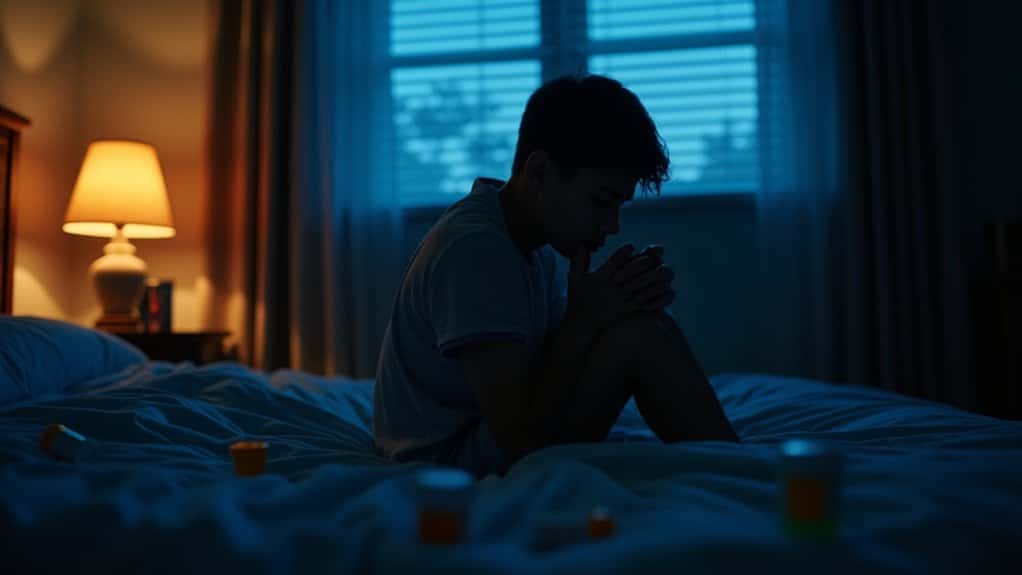
If you have bipolar disorder, you’re roughly four times more likely to face gambling problems than the general population. UK data show at least moderate risk in 10.6% of patients and severe risk in 2.7%. Mania and hypomania drive this connection, heightening impulsivity, reward-seeking, and poor judgment. Sometimes gambling reflects unstable mood; other times, it’s an independent addiction requiring targeted treatment. Understanding these distinctions helps you recognize warning signs and pursue the right care.
Key Takeaways
- Gambling problems occur roughly four times more often in people with bipolar disorder than in the general population.
- Mania and hypomania heighten reward-seeking, impulsivity, and risk-taking, driving increased gambling during elevated mood states.
- Mania-driven gambling is tied to mood episodes and may improve with mood stabilization, unlike persistent gambling disorder.
- Gambling losses, debt, and secrecy add stress that can trigger relapse and increase suicidality risk during recovery.
- Integrated care combining mood stabilization, cognitive behavioral therapy, and family involvement effectively addresses both conditions together.
How Are Bipolar Disorder and Gambling Addiction Connected
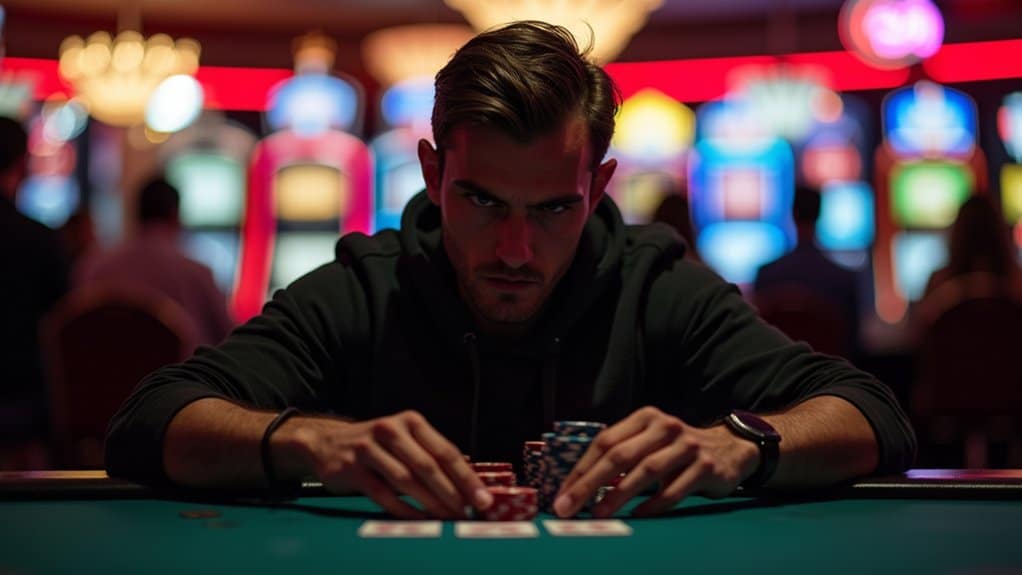
Bipolar disorder connects to gambling addiction through shared impulsivity, which increases your vulnerability to gambling harm. When you experience manic or hypomanic states, risk-taking and poor judgment intensify, while reward-seeking behavior rises during mood elevation, raising your exposure to gambling. This is why bipolar disorder and gambling frequently co-occur: problem gambling appears roughly four times more common in bipolar disorder than in the general population. UK data show at least moderate risk in 10.6% of bipolar patients, with severe risk in 2.7%. Co-occurring substance use and other addictions can further elevate your risk. Because gambling and bipolar symptoms overlap, your gambling behavior may reflect either a distinct comorbidity or an expression of unstable mood. Alcohol and bipolar symptoms can worsen each other, intensifying mood swings and impulsive behaviors while interfering with the effectiveness of mood stabilizers.
Why Can Mania or Hypomania Increase Risk-Taking and Gambling
Mania or hypomania increases risk-taking and gambling because your brain’s reward-seeking behavior intensifies, driving you toward gambling opportunities you’d normally avoid. During mood elevation, heightened impulsivity weakens your judgment, making it harder to weigh consequences before you act. You may overestimate your chances of winning, chase losses, and pursue increasingly risky bets.
Impulsivity is a key shared feature linking bipolar disorder and gambling harm, and mania amplifies this vulnerability. Elevated energy, inflated confidence, and reduced need for sleep can push you toward prolonged gambling sessions. Poor decision-making around money often accompanies these states.
Because reward-seeking rises with mood elevation, your exposure to gambling increases. Recognizing that gambling spikes often align with mania or hypomania helps you and your clinicians identify unstable symptoms early.
How Do Mania-Driven Gambling and Gambling Disorder Differ in Duration Control and Consequences
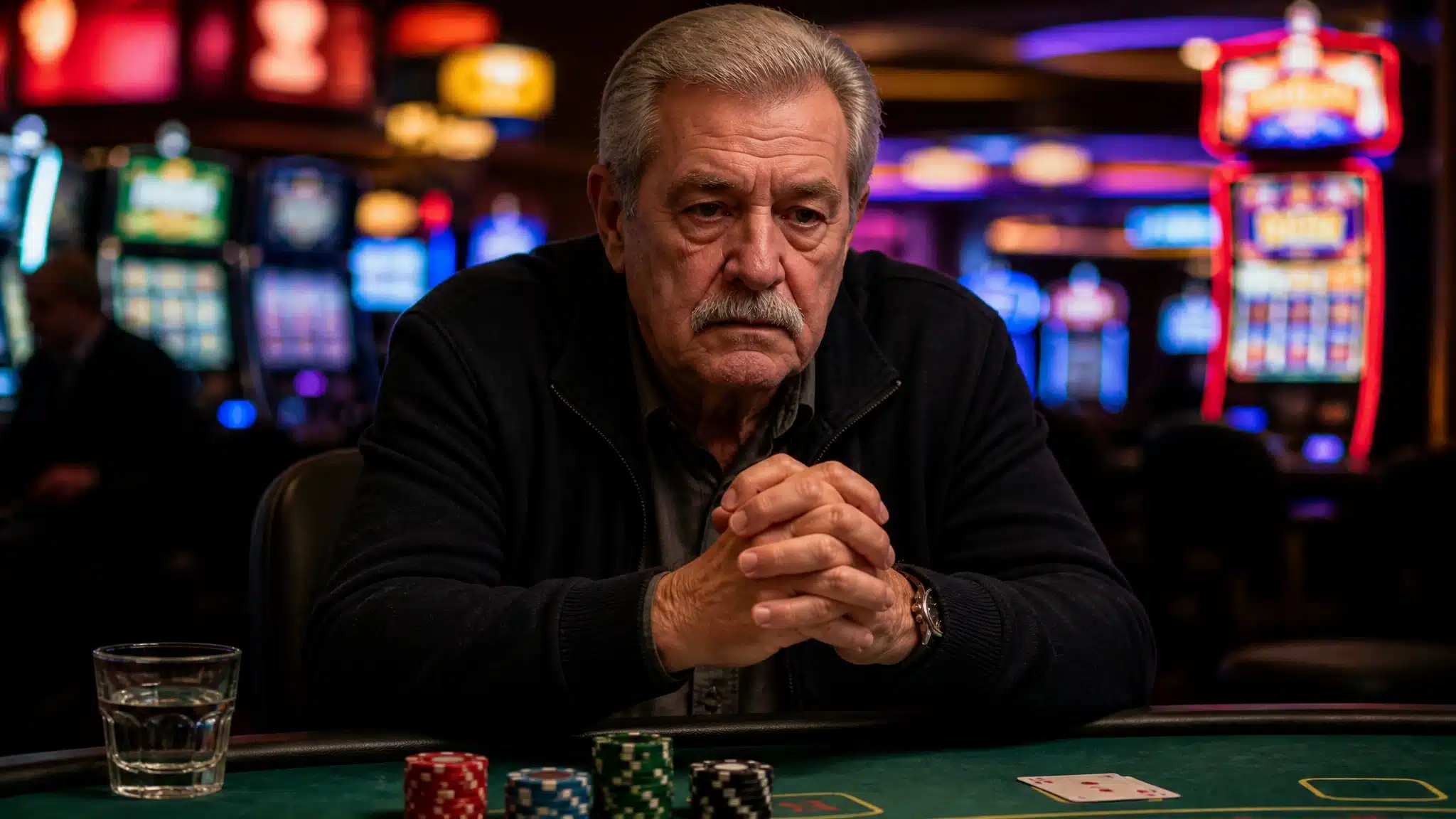
Mania-driven gambling and gambling disorder differ in duration control and consequences based on whether the behavior tracks your mood or persists independently. Mania-driven gambling typically tracks your mood elevation, spiking during hypomanic or manic episodes and subsiding as your mood stabilizes. Gambling disorder persists independently, continuing across euthymic and depressed states with loss of control.
| Mania-Driven Gambling | Gambling Disorder |
|---|---|
| Time-limited to mood episodes | Persistent across mood states |
| Improves with mood stabilization | Requires targeted gambling treatment |
| Reflects unstable bipolar symptoms | Reflects independent behavioral addiction |
Recognizing these differences matters. If your gambling only appears during mood elevation, stabilizing your bipolar illness may resolve it. If it persists between episodes, you’ll need integrated intervention addressing financial harm, secrecy, and suicidality risk directly. Substance-induced mood symptoms can complicate the clarity of diagnosis. It is essential to differentiate between these symptoms and those stemming directly from bipolar disorder.
How Can Gambling Losses and Debt Increase Stress During Bipolar Recovery
Gambling losses hit bipolar recovery so hard because financial harm adds stress that can destabilize your mood while you’re stabilizing. Debt, secrecy, and relationship strain create pressure that may trigger relapse, worsen your illness course, and complicate treatment outcomes. If you’ve gambled during mania or hypomania, you might face mounting losses once your mood settles, leaving you to confront consequences during a vulnerable phase.
This stress matters clinically. Gambling problems in bipolar disorder are linked with suicidal behavior, rapid cycling, and poorer recovery. Financial and legal fallout can undermine the psychosocial stability you need to remit.
Integrated treatment helps. Addressing debt through family involvement and support, alongside bipolar stabilization and gambling-focused care, reduces stress and protects your recovery.
How Can Gambling Disrupt Sleep Medication Adherence and Daily Routine
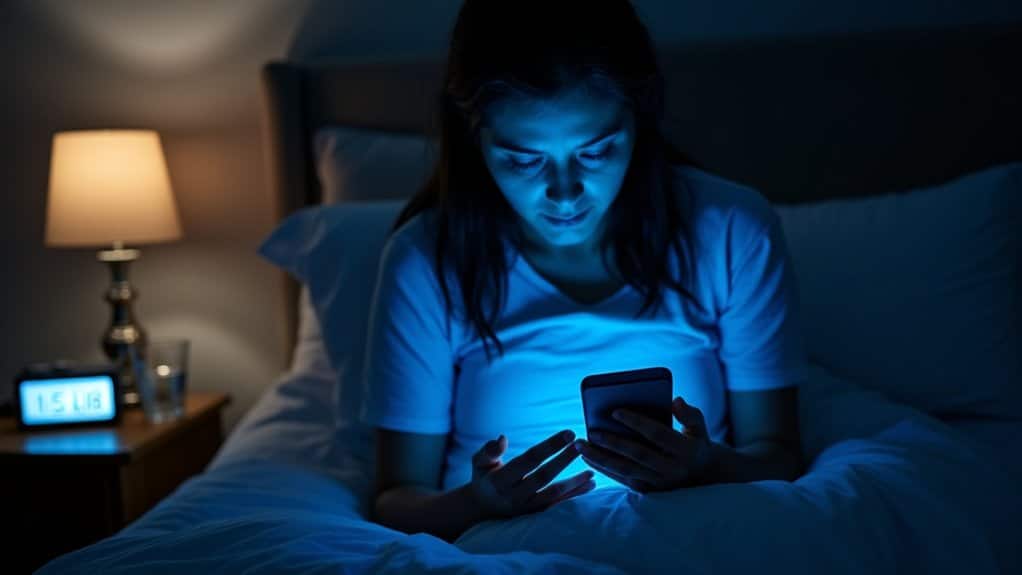
Gambling disrupts sleep, medication adherence, and daily structure through mechanisms that directly threaten bipolar stability. When you gamble late into the night, you lose sleep, and sleep loss is a well-documented trigger for manic and hypomanic episodes. Reward-seeking during mood elevation can pull you toward extended gambling sessions, which erode the consistent routines that stabilize your circadian rhythm. As gambling absorbs your attention, you may skip or delay medication doses, undermining mood stabilization and raising relapse risk. Concealment and preoccupation with losses further fragment your daily schedule, meals, and work commitments. Because these disruptions compound one another, you should treat sleep, adherence, and structure as clinical priorities. Monitor your gambling behavior alongside your mood, since instability in one often signals instability in the other.
How Can Treatment Address Bipolar Disorder and Gambling Disorder Together
Treatment can address bipolar disorder and gambling disorder together through integrated care that stabilizes your mood before or alongside targeted gambling treatment. Treating both conditions together works better than addressing either one alone, since comorbid bipolar disorder and gambling disorder produce a more severe illness course and poorer outcomes. Because gambling spikes often align with mania or hypomania, mood stabilization can directly reduce your urge to gamble. Cognitive behavioral approaches, commonly used for gambling disorder, help you manage triggers and restructure distorted thinking. Involving your family addresses concealment and financial harm while strengthening your support system. Your treatment plan should account for relapse risk, suicidality, and any co-occurring substance use, since these complicate recovery. By coordinating these elements, you’ll reduce financial, legal, and relationship consequences and improve your chances of lasting remission. Bipolar and addiction support offers a comprehensive path to recovery, with specialized professionals tailoring a plan to your unique needs.
What Should Families Watch for When Gambling Escalates Alongside Mood Changes
Families should watch for behavioral shifts that signal a manic or hypomanic episode driving the problem when gambling escalates alongside mood changes. Notice increased reward-seeking, impulsivity, and poor judgment, since gambling spikes often align with mood elevation. Track gambling frequency and financial harm, watching for secrecy, concealment, and loss of control. These patterns may reflect either a distinct comorbidity or an expression of unstable bipolar symptoms, so you shouldn’t dismiss them as isolated behavior.
Stay alert to warning signs linked with poorer outcomes, including suicidal behavior, rapid cycling, and co-occurring substance use. If you spot escalating losses paired with reduced need for sleep or grandiosity, seek clinical evaluation promptly. Early identification helps reduce financial, legal, and relationship consequences and supports timely bipolar stabilization and targeted treatment.
Find Support for Bipolar and Gambling Concerns
When bipolar symptoms and gambling problems overlap, getting the right treatment can help you regain stability and control. The Villa Treatment Center offers bipolar disorder treatment with support for co-occurring challenges. Verify your coverage through our verify insurance page or call our team to learn about available care options.
Frequently Asked Questions
Can Gambling Medications Also Help Stabilize Bipolar Disorder Symptoms?
You won’t find gambling-specific medications that reliably stabilize bipolar symptoms, since the knowledge here doesn’t establish such an effect. Instead, you’ll want mood stabilization as the foundation, addressing your bipolar disorder before or alongside targeted gambling treatment. Cognitive behavioral approaches commonly help gambling disorder, while family involvement and careful attention to relapse risk, suicidality, and substance use strengthen your care. Talk with your prescriber about integrated, evidence-based treatment options.
Are Certain Bipolar Medications Linked to Increased Gambling Urges?
This question falls outside the specific knowledge I have available, which focuses on prevalence, clinical impact, mechanisms, screening, and integrated treatment for co-occurring bipolar disorder and gambling. I can’t confirm which bipolar medications might be linked to increased gambling urges based on this information. You should discuss any concerns about your medications directly with your prescriber, who can review your treatment and monitor for problematic behavioral changes.
Does Gambling Addiction Affect Men and Women With Bipolar Differently?
The available evidence doesn’t clearly detail sex-specific differences in how gambling addiction affects you if you have bipolar disorder. What’s established is that gambling’s the most common behavioral addiction co-occurring with bipolar disorder, raising your risk roughly fourfold versus the general population. Regardless of sex, comorbid gambling links to a more severe course, rapid cycling, suicidal behavior, and poorer outcomes. You should get routine screening and integrated treatment addressing both conditions.
Are Online Gambling Platforms Riskier for People With Bipolar Disorder?
Online platforms can pose greater risk for you if you have bipolar disorder, though direct evidence is limited. Their constant accessibility, speed, and privacy may amplify impulsivity and reward-seeking, especially during manic or hypomanic states when your judgment and risk-taking are affected. Secrecy is easier online, delaying detection and worsening financial harm. If you’re vulnerable, you should limit access, enable self-exclusion tools, and discuss screening with your clinician.
Can Financial Counseling Be Part of Gambling Recovery Support?
Yes, financial counseling can be a valuable part of your gambling recovery support. Gambling disorder often causes significant financial harm, so addressing debt, budgeting, and money management helps reduce ongoing stress and consequences. Family involvement can support this process, especially when concealment has hidden the financial damage. You’ll benefit most when financial counseling works alongside bipolar stabilization and cognitive behavioral approaches, addressing both your mood symptoms and gambling-related losses together.