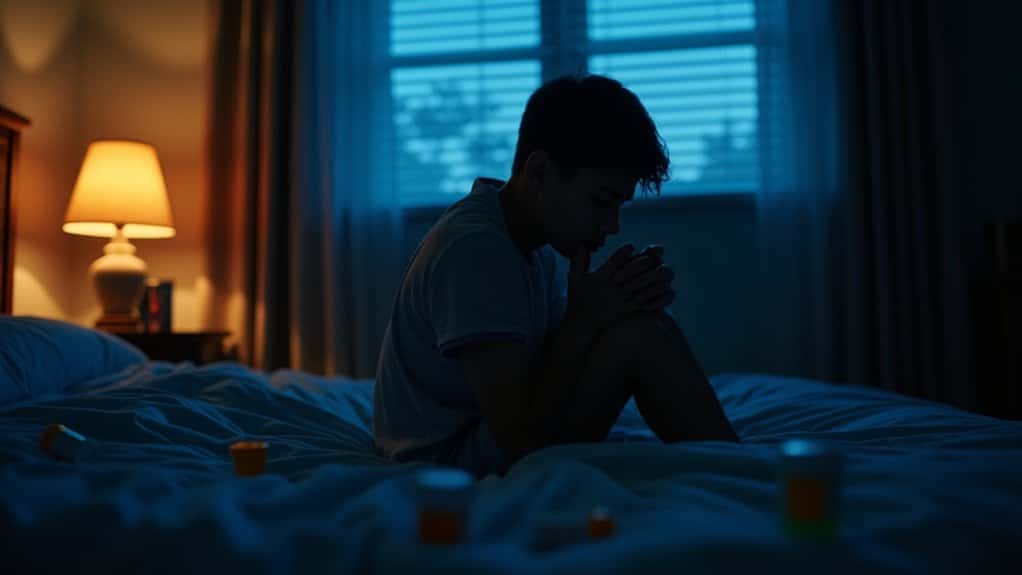
When you self-medicate bipolar disorder with drugs or alcohol, you trade brief relief for deeper instability. Alcohol deepens depression and fuels impulsivity, while stimulants escalate mania and cannabis can trigger new episodes. Substances blur the line between true mood symptoms and intoxication, reduce your medication adherence, and worsen mood cycling over time. What feels like short-term relief actually reinforces dependence. Understanding how this cycle takes hold can help you break it and find lasting stability.
Key Takeaways
- Substances like alcohol deepen depression and heighten impulsivity, while stimulants can escalate mania and trigger new mood episodes.
- Brief relief from agitation, sadness, or insomnia reinforces repeated use, deepening dependence and complicating bipolar treatment.
- Self-medication destabilizes the mood system, making episodes more frequent, prolonged, and unpredictable over time.
- Substance use reduces adherence to mood stabilizers and can dangerously interact with CNS-active medications.
- Lifetime substance use disorder in bipolar ranges from 40% to 70%, significantly worsening treatment and relapse risk.
Why Can Self-Medicating Bipolar Disorder With Drugs or Alcohol Make Symptoms Worse

Self-medicating bipolar disorder with drugs or alcohol backfires because the biology works against you, even though you may get brief relief. Alcohol is a depressant, so it deepens depressive symptoms and increases impulsivity and risk-taking during manic states. The connection between bipolar and drugs runs deeper: substance use can trigger new episodes and intensify existing ones, leaving your mood swings more frequent, prolonged, and unpredictable. Bipolar and drug use also blur the line between intoxication, withdrawal, medication side effects, and genuine mood instability, making your symptoms harder to interpret and manage. What feels like a solution actually undermines your treatment, worsens long-term outcomes, and raises your risk of suicidal behavior. Bipolar treatment with addiction complicates recovery and creates added barriers, trapping many in a cycle of using substances to cope, only to face worsening symptoms.
Which Bipolar Symptoms May Lead Someone to Try Self-Medication
Bipolar symptoms most likely to lead someone to try self-medication include agitation, sadness or depression, and insomnia. Certain bipolar symptoms create enough distress that reaching for alcohol or drugs starts to feel like relief. When mood episodes intensify, you might turn to substances to blunt what feels unmanageable. Self-medication is well-documented, with 24.1% of people with mood disorders reporting alcohol or drug use to relieve symptoms, and bipolar I showing rates as high as 41.0%.
The symptoms most likely to drive this pattern include:
- Agitation, which alcohol or drugs seem to temporarily calm.
- Sadness or depression, where substances briefly dull emotional pain.
- Insomnia, which you might try to manage with alcohol’s sedating effect.
Each of these offers only short-term relief, reinforcing repeated use while the underlying instability worsens. Recognizing these triggers helps you interrupt the cycle early.
Why Can Short-Term Relief Reinforce Continued Substance Use

Short-term relief reinforces continued substance use because it creates a powerful feedback loop that keeps you reaching for substances despite their long-term harm. When alcohol or drugs briefly blunt agitation, sadness, or insomnia, your brain registers that relief as a reward. This reinforcement makes you more likely to repeat the behavior the next time distressing symptoms surface.
The pattern is well-documented: 24.1% of people with mood disorders report using alcohol or drugs to relieve symptoms, and rates climb to 41.0% in bipolar I. Each episode of temporary relief strengthens the association between substance use and feeling better, even though the underlying disorder worsens. Bipolar mood and alcohol can create a complex and damaging cycle. Unfortunately, this reliance often exacerbates the mood disorder, leading to a more severe decline in overall mental health.
Over time, you’re no longer choosing substances for pleasure but to escape discomfort. That shift drives dependence, deepening the cycle and complicating your bipolar treatment.
How Do Alcohol Cannabis Stimulants and Sedatives Create Different Self-Medication Risks
Alcohol, cannabis, stimulants, and sedatives each create different self-medication risks because the temporary relief each offers targets different symptoms and creates different consequences. Alcohol, the most common at 42%, may blunt agitation or insomnia, but as a depressant it deepens depression and fuels impulsivity during mania. Cannabis, near 20%, might ease racing thoughts yet can trigger episodes. Stimulants appear more in bipolar I, briefly lifting mood but escalating mania. Sedatives quiet distress while adding fall and injury risk when combined with your medications.
| Substance | Primary Self-Medication Risk |
|---|---|
| Alcohol | Worsens depression, raises impulsivity |
| Cannabis | Can trigger mood episodes |
| Stimulants | Escalates manic symptoms |
| Sedatives | Increases fall, injury risk |
Each pattern complicates your treatment and worsens long-term outcomes.
How Can Self-Medication Worsen Mood Cycling Over Time

Self-medication worsens mood cycling by destabilizing the very mood system you’re trying to calm. When you use alcohol or drugs to blunt distress, you gain brief relief but throw your moods off balance. Substance use triggers episodes, intensifies existing symptoms, and links directly to more frequent and prolonged affective states.
Over time, three mechanisms accelerate your cycling:
- Triggered episodes: Alcohol and drugs provoke new mood shifts, worsening depression or fueling manic impulsivity.
- Reduced adherence: Substance use undermines consistent medication use, canceling out mood stabilizer effectiveness.
- Blurred symptoms: Intoxication and withdrawal overlap with mood states, making swings unpredictable and harder to treat.
Each cycle reinforces the next, steadily worsening your long-term outcomes.
How Can Self-Medication Interfere With Prescribed Bipolar Treatment
Self-medication interferes with prescribed bipolar treatment on two fronts: it disrupts how consistently you take your medications, and it directly undermines how well those medications work. When you’re drinking or using drugs, you’re more likely to skip doses or abandon your regimen altogether, and lower treatment adherence is well-documented in bipolar disorder with co-occurring substance use. Alcohol compounds the problem chemically. It can add dangerous side effects to your medications, including drowsiness, dizziness, confusion, and impaired judgment, and combining it with central nervous system-active drugs raises your fall and injury risk. Worse, alcohol may undermine or cancel out the effectiveness of your mood stabilizers, leaving you without the protection you’re counting on. This complicates your clinical management and makes recovery harder, prolonging instability instead of resolving it.
What Healthier Symptom-Management Strategies Can Replace Substance Use
Healthier symptom-management strategies that can replace substance use include treating both conditions together, maintaining consistent medication use, and regulating sleep and routine. The evidence points toward strategies that stabilize mood without the rebound effects alcohol and drugs produce. Treating both conditions together matters because untreated substance use undermines every other intervention.
Consider these evidence-based approaches:
- Consistent medication use: Take mood stabilizers as prescribed, since consistent adherence reduces episode frequency and severity.
- Structured therapy: Engage in cognitive behavioral therapy or interpersonal and social rhythm therapy to manage triggers and stabilize daily routines.
- Sleep and routine regulation: Protect regular sleep, since disrupted rhythms drive both manic and depressive episodes.
You’ll find these strategies deliver lasting relief rather than the temporary blunting substances offer, protecting your long-term recovery.
When Does Self-Medication Become a Substance Use Disorder
Occasional substance use crosses into a diagnosable disorder when your use becomes compulsive and starts controlling your choices. You might notice you’re drinking or using more to get the same relief, a sign of tolerance. You keep using despite knowing it worsens your mood episodes. Cravings intrude, and you can’t cut back even when you try. These patterns matter, because lifetime substance use disorder in bipolar disorder ranges from 40% to 70%. When self-medication turns into a substance use disorder, it complicates your treatment, lowers medication adherence, and raises your risk of relapse and suicidal behavior. If you’re using substances to manage symptoms and can’t stop, that’s a clinical warning sign. Both conditions need assessment and treatment together. Gambling and bipolar symptoms can exacerbate one another, leading individuals to cycle through periods of mania and depression with increased intensity.
Get Support for Bipolar Disorder and Substance Use
Using drugs or alcohol to manage bipolar symptoms can worsen mood instability and make recovery harder. The Villa Treatment Center offers dual diagnosis treatment to address both mental health and substance use concerns together. Check your coverage through our verify insurance page or call our team to learn about treatment options.
Frequently Asked Questions
How Can Loved Ones Tell if Someone Is Self-Medicating Bipolar Disorder?
You can spot self-medication when you notice someone reaching for alcohol or drugs to blunt agitation, sadness, or insomnia during mood episodes. Watch for worsening or more unpredictable mood swings, skipped medications, and declining treatment adherence. You might see increased impulsivity, deepening depression, or heightened risk-taking. Since 24.1% of people with mood disorders self-medicate, these patterns matter. If you’re seeing them, encourage professional assessment addressing both conditions together.
Does Self-Medication Affect Bipolar Diagnosis Accuracy?
Yes, self-medication can complicate your diagnosis considerably. When you use alcohol or drugs, their effects blur the line between medication side effects, intoxication, withdrawal, and genuine mood instability. This overlap makes your mood swings harder to interpret, so clinicians may struggle to distinguish substance-induced symptoms from true bipolar episodes. That’s why you need honest disclosure about substance use during assessment, ensuring both conditions get accurately identified and properly addressed in treatment planning.
Are Certain People More Likely To Self-Medicate Bipolar Disorder?
Self-medication can occur across different groups of people with bipolar disorder, and current evidence does not identify one specific age group as having a higher risk. What is known is that substance use to manage mood symptoms is common, with 24.1% of people with mood disorders reporting this pattern and rates reaching 41.0% in bipolar I. Individual risk depends on symptoms, substance use patterns, and personal history.
Can Genetics Influence Both Bipolar Disorder and Substance Use Risk?
Yes, genetics can influence both conditions. You may inherit shared vulnerabilities that raise your risk for bipolar disorder and substance use disorders simultaneously. Research points to overlapping genetic factors affecting mood regulation, impulsivity, and reward processing, which can predispose you to both. This shared heritability helps explain why these conditions frequently co-occur. If bipolar disorder or addiction runs in your family, you’ll want to discuss this with your clinician.
How Do Treatment Programs Address Co-Occurring Bipolar and Substance Use Disorders?
Treatment programs address both conditions together, since treating one alone often leaves you vulnerable to relapse. You’ll typically receive integrated care that combines mood stabilizers with substance use treatment, monitored closely because alcohol can undermine your medications’ effectiveness. Providers assess for overlapping symptoms, distinguishing intoxication and withdrawal from mood instability. You’ll work on treatment adherence, since substance use reduces medication consistency. Coordinated care improves your outcomes and lowers relapse and suicide risk.