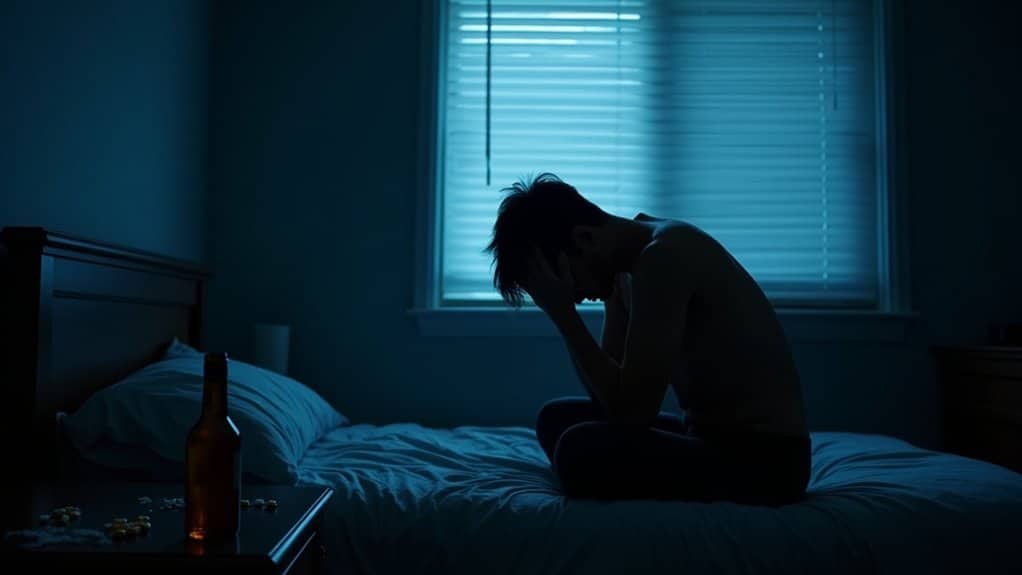
Yes, drug use can trigger bipolar-like symptoms and precipitate full mood episodes. Substances like stimulants, corticosteroids, or antidepressants can produce mania, hypomania, mixed, or depressive states within days of exposure. If you already have bipolar disorder, drugs can activate that underlying vulnerability. If you don’t, clinicians may diagnose substance/medication-induced bipolar disorder, with symptoms usually resolving within about a month after you stop. Understanding how each drug class affects your mood matters more than you’d think.
Key Takeaways
- Drug use can trigger manic, hypomanic, mixed, or depressive symptoms, sometimes within days of exposure, especially at higher doses.
- Stimulants most reliably mimic mania, producing euphoria, grandiosity, racing thoughts, and reduced sleep, while cannabis and hallucinogens cause less predictable mood shifts.
- In people with underlying bipolar disorder, substances can precipitate mood episodes by activating existing vulnerability rather than creating the illness.
- Substance/medication-induced bipolar symptoms typically resolve after stopping the offending agent, often within about a month.
- Seek psychiatric evaluation when mood symptoms are severe or persist beyond the expected intoxication or withdrawal timeline.
Can Drug Use Cause or Trigger Bipolar-Like Symptoms or Bipolar Episodes

Yes, drug use can cause or trigger bipolar-like symptoms and bipolar episodes. Substances directly alter brain chemistry during intoxication, active use, or withdrawal, producing mood symptoms that look nearly identical to bipolar disorder. Clinicians recognize substance/medication-induced bipolar disorder, a diagnosis where a substance triggers manic, hypomanic, mixed, or depressive symptoms. Substances can produce episodes that closely mimic primary bipolar disorder, including elevated or irritable mood, grandiosity, and decreased need for sleep. Symptoms often begin within days of exposure, especially at higher doses. Drugs cannot trigger bipolar disorder that’s genuinely independent, but they can generate identical-looking episodes. The critical distinction depends on whether symptoms resolve after cessation or persist beyond expected timeframes. Research indicates that drug-triggered bipolar symptoms can be particularly challenging to diagnose due to their resemblance to other forms of mood disorders.
What Does It Mean to Trigger a Mood Episode in Someone Who Already Has Bipolar Disorder
Triggering a mood episode in someone who already has bipolar disorder means a substance precipitates a manic, hypomanic, mixed, or depressive episode in someone with an established diagnosis. Drug use doesn’t create the illness, it activates an underlying vulnerability that’s already present. Stimulants can push you into mania or hypomania, producing elevated mood, decreased need for sleep, and impulsivity. Alcohol, benzodiazepines, and opioids, or their withdrawal, can precipitate depressive episodes marked by anhedonia, fatigue, and suicidal thoughts. Unlike substance-induced bipolar disorder, your episode reflects your existing pathology, not a symptom caused solely by the substance. The drug acts as a precipitant, destabilizing mood regulation you’re already predisposed to lose. That’s why episodes may persist beyond intoxication or withdrawal, requiring both substance cessation and continued bipolar-specific treatment. Substance use and bipolar care are often intertwined in complex ways that require careful management. Treatment plans must consider the unique challenges posed by both conditions to ensure effective outcomes.
How Do Stimulants Cannabis Hallucinogens and Certain Medications Affect Mood Differently

Stimulants, cannabis, hallucinogens, and certain medications affect your mood through distinct mechanisms, producing characteristic symptom profiles that matter for diagnosis. Stimulants like cocaine and amphetamines drive manic-like presentations, while cannabis and certain medications generate variable, sometimes mixed, disturbances. Recognizing these patterns helps you distinguish substance-induced episodes from primary bipolar disorder. Understanding bipolar substance use patterns is crucial for effective treatment planning. Clinicians must stay vigilant in assessing the interplay between mood disorders and substance use to provide comprehensive care.
| Drug Class | Mood Effect | Characteristic Symptoms |
|---|---|---|
| Stimulants | Manic-like | Euphoria, grandiosity, reduced sleep |
| Cannabis | Variable | Anxiety, paranoia, dysphoria |
| Hallucinogens | Perceptual/mood shifts | Distorted affect, agitation |
| Certain medications | Manic or mixed | Impulsivity, decreased sleep |
You’ll notice stimulants most reliably mimic hypomania or mania. Cannabis and hallucinogens produce less predictable effects, often anxiety or dysphoria. Medications like corticosteroids or antidepressants can trigger manic or mixed episodes after dose changes.
Can Drug Use Produce Mania-Like Symptoms in Someone Without Bipolar Disorder
Yes, drug use can produce mania-like symptoms even if you’ve never had bipolar disorder. Stimulants like cocaine, methamphetamine, and amphetamines are strongly linked to manic-like presentations, producing euphoria, grandiosity, racing thoughts, reduced need for sleep, distractibility, and impulsive or risky behavior. These symptoms often begin within days of exposure, particularly at higher doses or with prolonged use. Certain medications, including corticosteroids, antidepressants, stimulant ADHD medications, and thyroid hormones, can trigger similar episodes after you start, stop, or change a dose. Clinicians classify this as substance/medication-induced bipolar disorder when the substance is capable of producing the observed symptoms during intoxication or withdrawal. Typically, these symptoms resolve after you stop the offending agent, often within about a month, distinguishing them from primary bipolar disorder.
How Can Intoxication Withdrawal and Sleep Loss Amplify Mood Symptoms
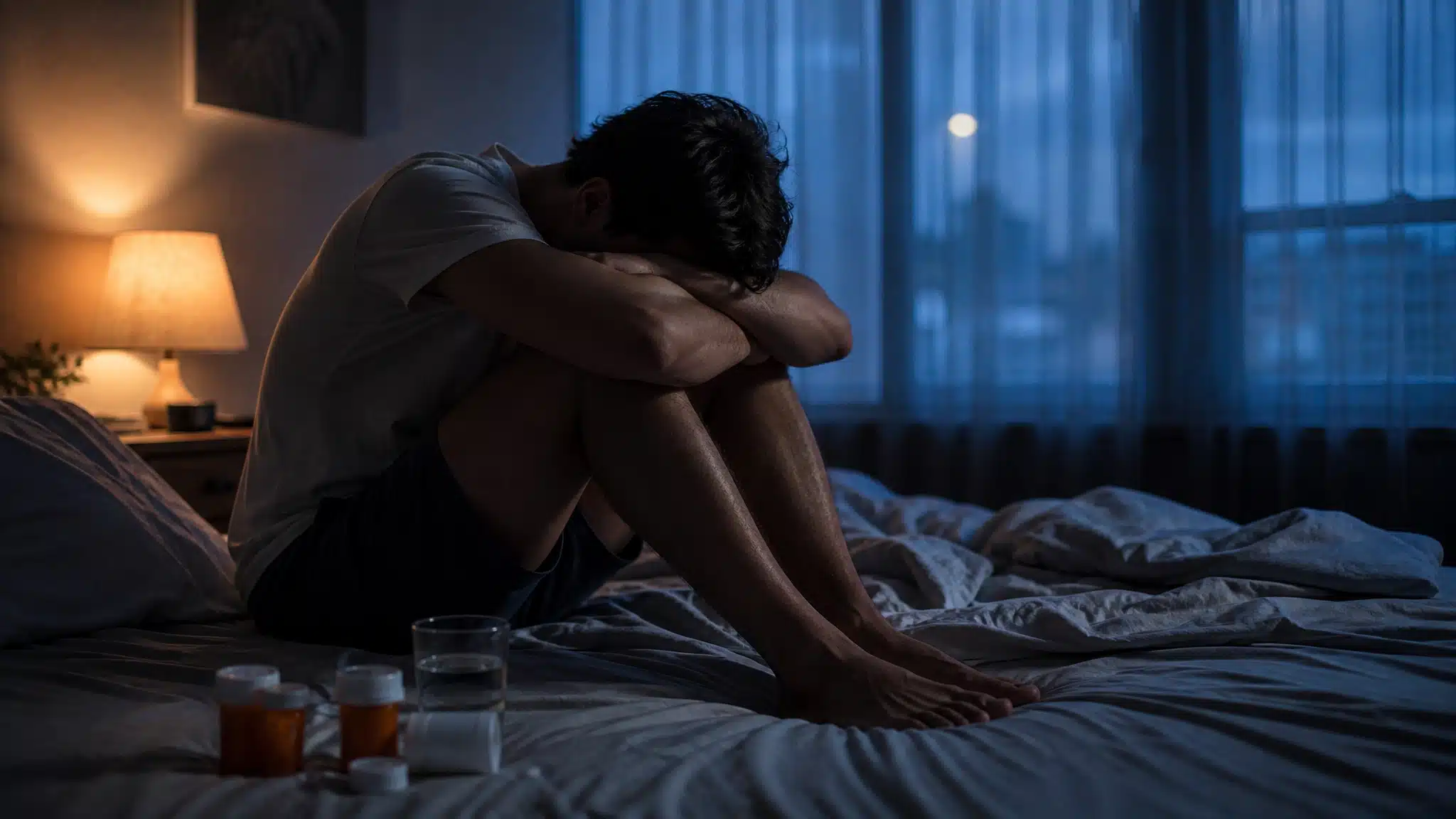
Intoxication, withdrawal, and sleep loss amplify mood symptoms by each intensifying them, often compounding one another to produce more severe presentations. During intoxication, stimulants can drive euphoria, grandiosity, racing thoughts, and reduced need for sleep, closely resembling hypomania or mania. When you withdraw from alcohol, benzodiazepines, or opioids, you may experience agitation, anxiety, anhedonia, fatigue, and suicidal thoughts that mimic bipolar depression. Sleep loss amplifies these effects, lowering your threshold for irritability, impulsivity, and emotional dysregulation. Because reduced sleep independently precipitates manic-like states, it can accelerate symptom escalation when paired with active use or a withdrawal syndrome. This interaction complicates diagnosis, since you’re seeing symptoms driven by overlapping physiological stressors. Recognizing these compounding factors helps you distinguish substance-induced episodes from a primary mood disorder.
Why Can Mixing Multiple Substances Make Mood Effects Harder to Predict
Mixing multiple substances makes mood effects harder to predict because their opposing and overlapping effects collide, obscuring which agent drives which outcome. When you mix stimulants with depressants, you layer euphoria and grandiosity against sedation, agitation, and withdrawal-driven dysphoria, producing mixed features that resist clear classification. You can’t easily attribute symptoms to one agent when cocaine drives racing thoughts while alcohol withdrawal fuels anxiety and low mood simultaneously. Overlapping intoxication and withdrawal timelines compound this, since one substance may peak as another wanes. You also face pharmacokinetic interactions that intensify or prolong exposure, amplifying manic-like or depressive symptoms unpredictably. This complexity obscures the temporal link diagnosticians rely on, delaying accurate identification of substance-induced episodes. You’ll need careful history-taking and sometimes toxicology to disentangle each contributing agent’s role.
When Should New Mood Symptoms After Drug Use Receive Psychiatric Evaluation
New mood symptoms after drug use should receive psychiatric evaluation whenever they persist beyond expected intoxication or withdrawal timelines, since symptoms that outlast the substance’s pharmacological window raise concern for an independent bipolar disorder. If manic, hypomanic, mixed, or depressive symptoms continue roughly a month after abstinence, you need diagnostic reassessment for primary bipolar disorder rather than a substance-induced episode. Seek urgent evaluation when you experience severe mania, psychosis, marked depression, or suicidal ideation, regardless of timeline. You should also pursue assessment when symptoms emerge after starting, stopping, or changing a medication like corticosteroids, antidepressants, stimulants, or thyroid hormone. Clinicians will use careful history, mental status examination, and sometimes laboratory findings to distinguish substance-induced symptoms from an independent disorder, guiding whether you require ongoing mood-stabilizing treatment.
Get Support for Substance Use and Bipolar Symptoms
Drug use can trigger mood symptoms that feel like bipolar disorder and make recovery more difficult. The Villa Treatment Center offers dual diagnosis treatment to address substance use and mental health concerns together. Check your coverage through our verify insurance page or call our team to discuss treatment options.
Frequently Asked Questions
Can Substance-Induced Bipolar Symptoms Become Permanent Over Time?
Substance-induced bipolar symptoms typically resolve after you stop the offending substance, often within about a month of abstinence. They don’t usually become permanent. However, if your symptoms persist well beyond cessation, that raises concern for an independent, primary bipolar disorder rather than a substance-induced episode. You’ll need careful evaluation, history, exam, and sometimes lab findings, to distinguish the two. Ongoing symptoms after abstinence warrant assessment for a true bipolar diagnosis.
Are Certain People Genetically More Vulnerable to Drug-Triggered Mood Episodes?
Yes, you can carry genetic vulnerability that raises your risk for drug-triggered mood episodes. If you’ve got a family history of bipolar disorder, you’re more likely to develop manic or depressive symptoms after substance exposure. Your inherited predisposition can lower the threshold at which stimulants, corticosteroids, or other agents provoke mood disturbances. This genetic loading may also signal that you’re at higher risk for developing a primary bipolar disorder.
How Long Does Treatment for Substance-Induced Bipolar Disorder Typically Last?
Your treatment typically lasts around a month, since many substance-induced episodes resolve after you stop or reduce the offending substance or medication. You’ll often see symptoms improve with abstinence, withdrawal management, and treatment of any co-occurring substance use disorder. If your mood disturbance persists well beyond cessation, you’ll need evaluation for a primary bipolar disorder, which requires longer, ongoing management. Severe mania, psychosis, or suicidality demands urgent clinical intervention.
Can Caffeine or Nicotine Contribute to Bipolar-Like Mood Symptoms?
Yes, caffeine and nicotine can contribute to bipolar-like mood symptoms, particularly during heavy use or withdrawal. As stimulants, they may trigger heightened energy, racing thoughts, irritability, reduced need for sleep, and restlessness that can resemble hypomania. Withdrawal, especially from nicotine, can produce depressive symptoms like low mood, poor concentration, and fatigue. If your symptoms persist after you’ve reduced or stopped these substances, you’ll need evaluation for a primary bipolar disorder.
Do Medications Like Lithium Help With Substance-Induced Manic Episodes?
Lithium isn’t the first-line treatment for substance-induced manic episodes. Since these symptoms stem from the offending substance, you’ll focus first on stopping or reducing it, managing intoxication or withdrawal, and addressing any co-occurring substance use disorder. Many episodes resolve with abstinence, often within about a month. If your manic symptoms persist well beyond cessation, that raises concern for a primary bipolar disorder, and mood stabilizers like lithium may then warrant evaluation.