
Addiction Education
What Factors Influence Addiction Treatment Success Rates?
Addiction treatment success factors: learn how severity, motivation, support, and treatment duration shape your long-term recovery outcomes.

Addiction treatment success factors: learn how severity, motivation, support, and treatment duration shape your long-term recovery outcomes.

Rehab facilities range from medical detox to outpatient and sober living. Compare each type to find the level of care that fits your needs.

Drug-induced bipolar symptoms resolve after stopping the substance, while bipolar disorder persists. Learn how timing tells them apart.

Bipolar disorder and gambling addiction: learn the connection, spot warning signs, and find the right treatment for your needs.

Alcohol and bipolar disorder: learn how drinking worsens mood, triggers episodes, and disrupts treatment, so you can protect your stability.

Self-medicating bipolar disorder worsens symptoms over time. Learn how the cycle takes hold and how to break it for lasting stability.
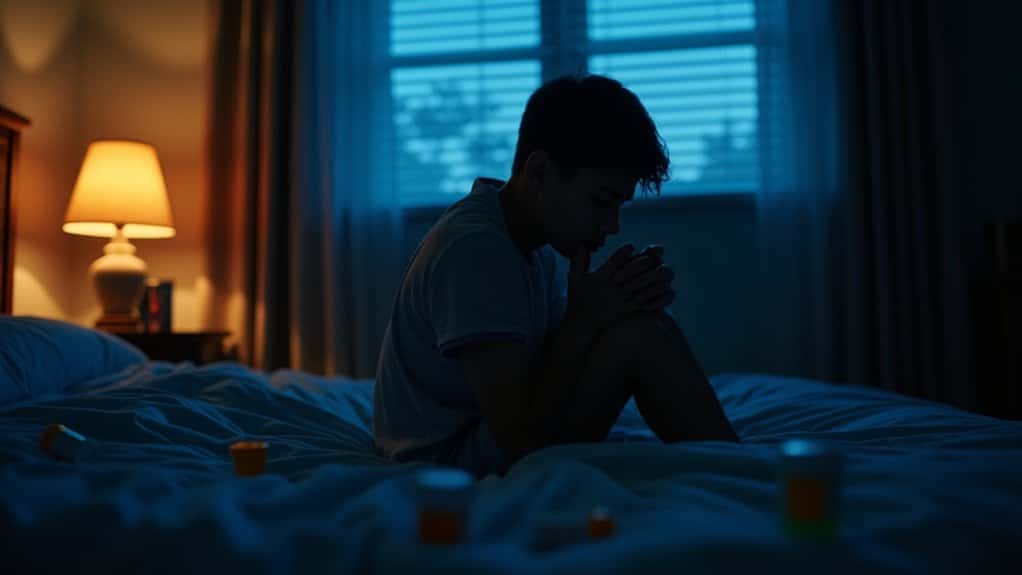
Drug use can trigger bipolar symptoms and mood episodes. Learn how stimulants, steroids, and antidepressants affect mania, depression, and diagnosis.

Bipolar disorder raises substance use disorder risk 6-7 fold. Learn the genetic, mood, and behavioral factors so you can recognize risks earlier.

Bipolar disorder and substance abuse require integrated dual-diagnosis care. Learn 5 treatment essentials to build a plan that sustains your stability.

Leaving an alcoholic spouse: know the signs it’s time to go and get a safe, clear plan to protect yourself and your children.

Living with an alcoholic spouse: learn to set boundaries, protect your family, and safeguard your health and finances.

Get an alcoholic into rehab fast. Learn the exact steps to take the moment they say yes, before fear or shame closes the window.

Talk to an alcoholic about treatment using calm, specific, blame-free conversation that opens the door to getting help.

Help an alcoholic son or daughter without enabling. Learn to set boundaries and support recovery without funding the addiction.
(118 characters)
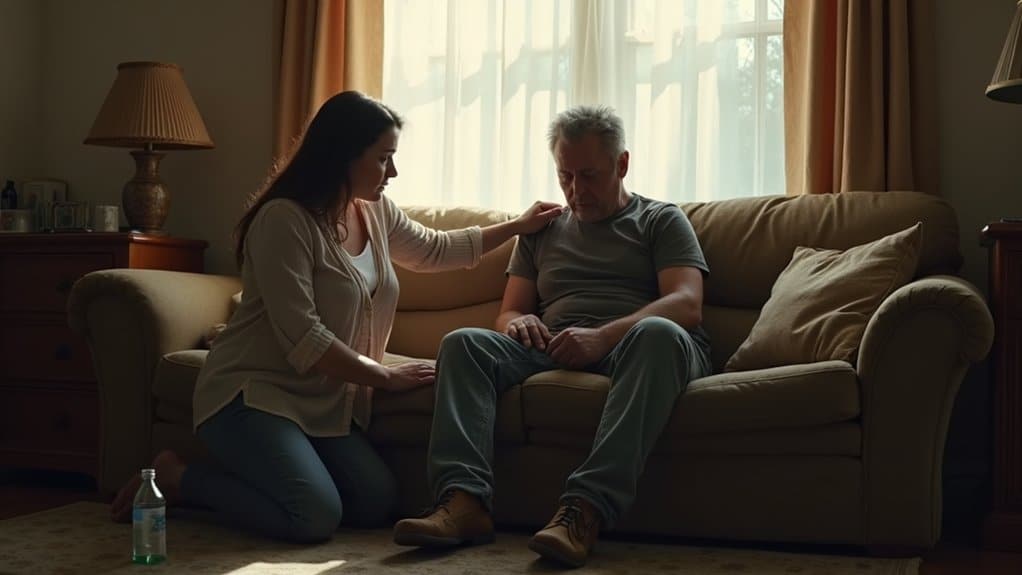
Help an alcoholic who doesn’t want help: practical steps to talk, stop enabling, set boundaries, and encourage treatment.

Husband refuses alcohol rehab? Learn calm, practical steps to name concerns, set boundaries, and know what to do next.

Addiction treatment programs work best when evidence-based care matches your clinical needs. Learn the components that improve recovery outcomes.

Alcohol withdrawal detox: learn the warning signs like seizures and delirium tremens that show when you need medical care to stay safe.

After detox, your next step matters. Learn how residential, PHP, IOP, and outpatient care protect your progress and lower relapse risk.

Detox vs. withdrawal: learn the key difference and know when medical supervision matters most for a safe recovery.

Medical detox safely clears substances from your body while a clinical team manages withdrawal and prepares you for addiction treatment.

Detox program length is usually 3 to 10 days. Learn what affects your timeline, from the substance used to your health and medications.

Detox vs. rehab: learn the key differences, how each phase works, and why you typically detox first before entering rehab for lasting recovery.
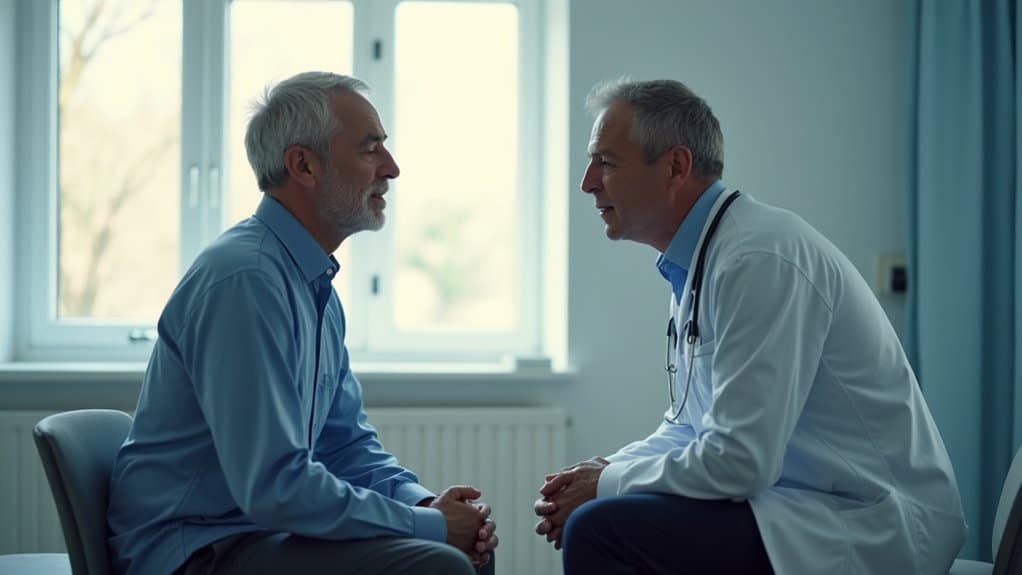
Detox before rehab depends on your physical dependence, not the substance. Learn which drugs need supervised detox and which let you start rehab directly.

Bipolar disorder vs borderline personality disorder: learn the key differences in mood patterns, triggers, and duration to understand your diagnosis.

Bipolar disorder and BPD can occur together. Learn how these conditions differ, overlap, and affect your treatment options.

Bipolar disorder and BPD are often misdiagnosed. Learn the key differences in mood tempo and triggers to improve diagnostic accuracy.

Bipolar II vs BPD: Learn how episode timing, triggers, and treatment response distinguish these commonly confused conditions.

Bipolar disorder vs BPD treatment: learn why one needs medication and the other needs therapy, so you can find the right care.

BPD vs bipolar disorder: learn how daily symptoms, mood patterns, and treatments differ so you can manage the right condition.