
Even after the abuse ends, its effects can stay with you. You might notice chronic pain, headaches, or lingering health problems. Emotionally, you may face PTSD, depression, anxiety, or intrusive memories that surface without warning. Cognitively, you might struggle to focus, remember details, or make simple decisions. These aren’t signs of weakness, they’re your body and mind responding to prolonged trauma. Understanding why they persist is the first step toward healing and lasting recovery.
Key Takeaways
- Physical effects can persist long after abuse ends, including chronic pain, headaches, cardiovascular problems, and neurological damage from strangulation or head injury.
- Mental health may worsen after leaving due to PTSD, depression, anxiety, flashbacks, nightmares, and hypervigilance triggered by prolonged trauma.
- Cognitive effects like memory lapses, poor concentration, and decision-making difficulties stem from trauma-related brain changes affecting everyday tasks.
- Abuse operates as a continuum, with 70% of reported injuries occurring after separation through stalking, harassment, or continued control.
- Financial dependence, social isolation, and instability after leaving can deepen emotional wounds and lower a survivor’s sense of self-worth.
What are the long-term effects of domestic violence

The long-term effects of domestic violence are physical, emotional, and mental, and they often persist long after the abuse ends. If you’ve left an abusive relationship, you might notice these effects lingering in ways you didn’t expect. The long term effects of domestic abuse aren’t just emotional, they’re physical, too. You may experience chronic pain, headaches, back pain, or cardiovascular and gastrointestinal problems. Nonfatal strangulation and traumatic brain injury can carry lasting neurological risks. The impact on stress response systems can worsen these physical ailments, creating a cycle of discomfort and stress that hinders recovery and deepens psychological distress. Understanding these connections is crucial for effective treatment and support.
The domestic violence long term effects also reach your mental health. You might struggle with PTSD, depression, anxiety, intrusive memories, or panic attacks. Nearly 64% of survivors develop PTSD, and symptoms can worsen after separation. Your finances, relationships, and sense of self-worth may suffer too. These struggles are real, and they’re valid. Recognizing signs of emotional abuse can often be challenging. It may require a deeper understanding of one’s own feelings and experiences. Seeking help from professionals can provide clarity and support to navigate through these difficulties.
Why do effects continue after the abuse ends
Effects continue after the abuse ends because abuse doesn’t stop the moment you walk away. In fact, 70% of reported domestic violence injuries occur after separation. Your abuser may continue stalking, harassing, or harming you, extending their control long past the relationship’s end. Domestic violence works as a “continuum,” meaning the impact lingers well beyond separation or divorce.
Beyond ongoing threats, your body and mind carry what you’ve endured. Chronic pain, trauma-related illnesses, and psychological wounds don’t heal overnight. Surprisingly, your mental health may even worsen after leaving. Financial dependence, social isolation, and disrupted relationships can keep you trapped in instability. Understanding this helps you recognize your struggles are real and valid. Healing after leaving abuse is a complex journey that takes time and support. Many survivors discover that the path to recovery involves navigating layers of emotional and physical healing.
What emotional effects can last over time

Emotional wounds can linger for years, even after you’ve escaped the physical danger. You might find yourself battling intrusive memories, panic attacks, or a heightened sense of anxiety that never fully quiets. These aren’t signs of weakness. They’re your mind’s response to prolonged trauma.
| Emotional Effect | What You Might Experience |
|---|---|
| PTSD | Flashbacks, nightmares, hypervigilance |
| Depression | Persistent sadness, hopelessness, fatigue |
| Anxiety | Constant worry, panic attacks, restlessness |
| Cognitive struggles | Memory gaps, trouble concentrating |
Research shows that 63.8% of women experiencing domestic violence develop PTSD, and roughly 20% face conditions like major depression or generalized anxiety. Your mental health may even worsen after leaving, not improve. Understanding this helps you recognize you’re not broken. You’re healing.
What cognitive effects can survivors experience
Survivors can experience memory difficulties, concentration problems, intrusive memories, and decision-making challenges. Because trauma reshapes how your brain functions, you might notice your thinking isn’t as sharp as it once was. The chronic stress of abuse, especially when strangulation or head injuries were involved, can leave lasting neurological effects that make everyday mental tasks feel harder than they should.
Trauma reshapes how your brain works, making everyday mental tasks feel harder than they should, but that’s not weakness, it’s a real response.
You might struggle with:
- Memory difficulties, forgetting appointments, conversations, or details you’d normally recall with ease.
- Concentration problems, finding it hard to focus at work or while reading.
- Intrusive memories, when unwanted thoughts of the abuse disrupt your ability to think clearly.
- Decision-making challenges, feeling overwhelmed by choices that once seemed simple.
These aren’t signs of weakness or failure. They’re real, evidence-based responses to prolonged trauma, and with support and time, your cognitive clarity can gradually improve.
What physical effects can persist
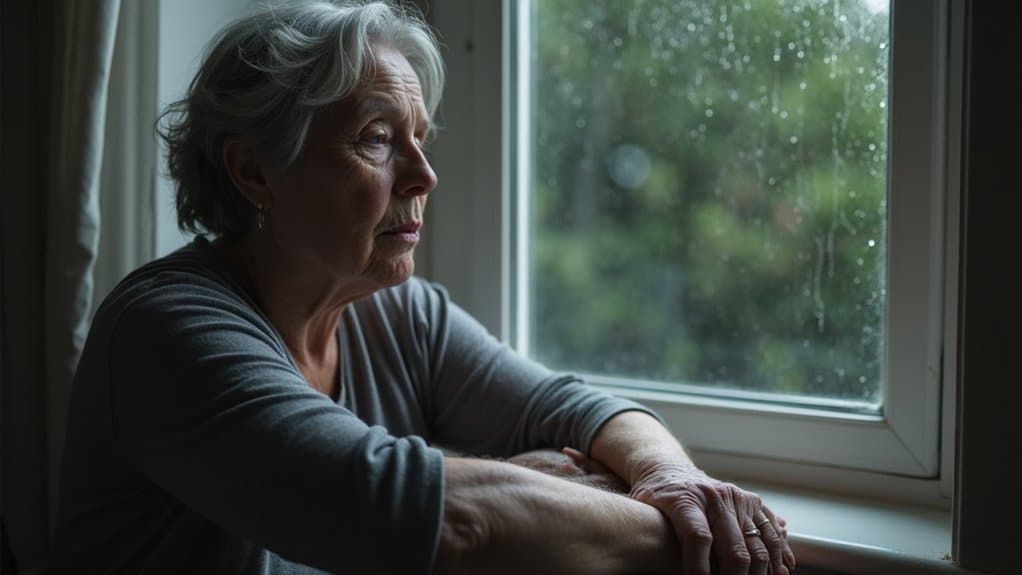
Trauma can settle into your body in ways that persist long after the abuse ends. You might live with chronic pain, headaches, back pain, or pelvic pain that lingers without an obvious cause. Survivors face disproportionately higher risks of cardiovascular and gastrointestinal diseases, and the 40-45% who endured combined physical and sexual abuse often carry even greater health burdens. If you experienced strangulation or blows to the head, you may deal with long-term neurological effects from traumatic brain injury. Psychological abuse alone can leave you with arthritis, migraines, or disabilities that prevent you from working. These aren’t signs of weakness, they’re your body’s response to prolonged trauma, and they deserve real attention and care.
How can long-term recovery be supported
Long-term recovery is supported by addressing the interconnected effects that trauma leaves behind, even though recovery doesn’t follow a straight line. Because domestic violence functions as a continuum, your recovery needs to reach beyond physical safety into the mental, financial, and social areas the abuse touched.
Consider these evidence-based supports:
- Trauma-informed mental health care to address PTSD, depression, and anxiety, which often worsen after leaving.
- Economic stability resources, including employment assistance and housing support, to break financial dependence.
- Rebuilding social connections that counter the isolation and stigma abusers cultivate.
- Ongoing medical monitoring for chronic pain, cardiovascular risks, and neurological effects of strangulation or brain injury.
You deserve support across every dimension, and healing remains possible with the right resources.
Address the Lasting Effects of Trauma With Professional Support
The physical, emotional, and cognitive effects of domestic violence can continue long after the abuse ends. The Villa Treatment Center provides compassionate PTSD and trauma treatment to help address anxiety, depression, intrusive memories, hypervigilance, and emotional distress. Verify your insurance or call (818) 639-7160 to explore your treatment options.
Frequently Asked Questions
How Does Domestic Violence Affect Children Who Witness It?
If your children witness domestic violence, they’ll carry harms that reach far beyond childhood. Their heightened stress can disrupt cognitive functioning and brain development, shaping how they’ll learn and cope. They’re also at greater risk of repeating the cycle, boys who see their mothers abused are ten times more likely to abuse partners later, and girls face heightened risks too. You’re right to worry, and support can help them heal.
Can Domestic Violence Lead to Financial Instability After Leaving?
Yes, leaving can lead to lasting financial instability, and that’s not your fault. You might lose your job due to absenteeism, discrimination, or the need to relocate for safety. If you depended financially on your abuser, distancing yourself becomes even harder. Without stable housing, employment, and healthcare, you can feel trapped in poverty long after the immediate danger passes. These economic struggles are a real, recognized consequence of abuse.
Is Post-Separation Abuse Common After a Relationship Ends?
Yes, post-separation abuse is unfortunately very common, and you’re not alone if you’re experiencing it. In fact, 70% of reported domestic violence injuries happen after a couple separates. Leaving doesn’t always end the danger, many perpetrators continue harassment, stalking, and harm as a way to maintain power and control. If this is happening to you, please know it’s a recognized pattern, and your safety and feelings matter.
How Does Domestic Violence Impact Survivors’ Future Relationships?
Domestic violence can make forming or sustaining healthy relationships incredibly difficult for you. The trauma you’ve endured shapes how you navigate connection, trust, and self-worth long after the abuse ends. You might struggle with isolation, stigma, or victim-blaming, especially in close-knit communities. Heightened anxiety, intrusive memories, and difficulty trusting others are common and completely understandable responses. Please know your reactions are valid, and healing at your own pace is possible.
Does Leaving an Abuser Guarantee an End to Danger?
No, leaving doesn’t guarantee your safety, and that’s not your fault. In fact, 70% of reported domestic violence injuries happen after separation. Your abuser may continue harassing, stalking, or harming you long after you leave, since separation often marks a new chapter in their power and control tactics. If you’re still feeling unsafe, please know your fear is valid, this abuse functions as a continuum that lingers well beyond leaving.