
Mental Health
Bipolar Disorder vs Borderline Personality Disorder: Key Differences
Bipolar disorder vs borderline personality disorder: learn the key differences in mood patterns, triggers, and duration to understand your diagnosis.

Bipolar disorder vs borderline personality disorder: learn the key differences in mood patterns, triggers, and duration to understand your diagnosis.

Bipolar disorder and BPD can occur together. Learn how these conditions differ, overlap, and affect your treatment options.

Bipolar disorder and BPD are often misdiagnosed. Learn the key differences in mood tempo and triggers to improve diagnostic accuracy.

Bipolar II vs BPD: Learn how episode timing, triggers, and treatment response distinguish these commonly confused conditions.

Bipolar disorder vs BPD treatment: learn why one needs medication and the other needs therapy, so you can find the right care.

BPD vs bipolar disorder: learn how daily symptoms, mood patterns, and treatments differ so you can manage the right condition.

BPD vs bipolar disorder: neither is worse. Learn what really determines severity and outcomes so you can focus on effective treatment.

Domestic violence and mental health are linked. Learn how abuse affects PTSD, depression, and anxiety, and how understanding it supports healing.

Domestic violence can trigger depression, anxiety, and PTSD. Learn why abuse affects your mind and how understanding it helps you heal.

Domestic violence effects can last long after abuse ends. Learn why physical, emotional, and cognitive symptoms persist and how to start healing.

Domestic violence changes the brain through trauma and stress. Learn the mechanisms behind these changes and how healing becomes possible.

Rebuilding self-worth after domestic abuse is possible. Learn practical steps to stop self-blame, reclaim your strengths, and recover at your own pace.

Leaving an abusive relationship doesn’t instantly improve mental health. Learn why recovery is nonlinear and how to navigate the difficult first two years.

Trauma-informed therapy for domestic violence survivors helps restore safety, control, and self after abuse. Learn how EMDR and CBT work.

Residential mental health treatment provides 24/7 intensive care between weekly therapy and hospitalization. Learn what to expect and who it helps.

Residential mental health support provides 24/7 clinical monitoring to stabilize severe symptoms and keep you safe when weekly therapy is not enough.
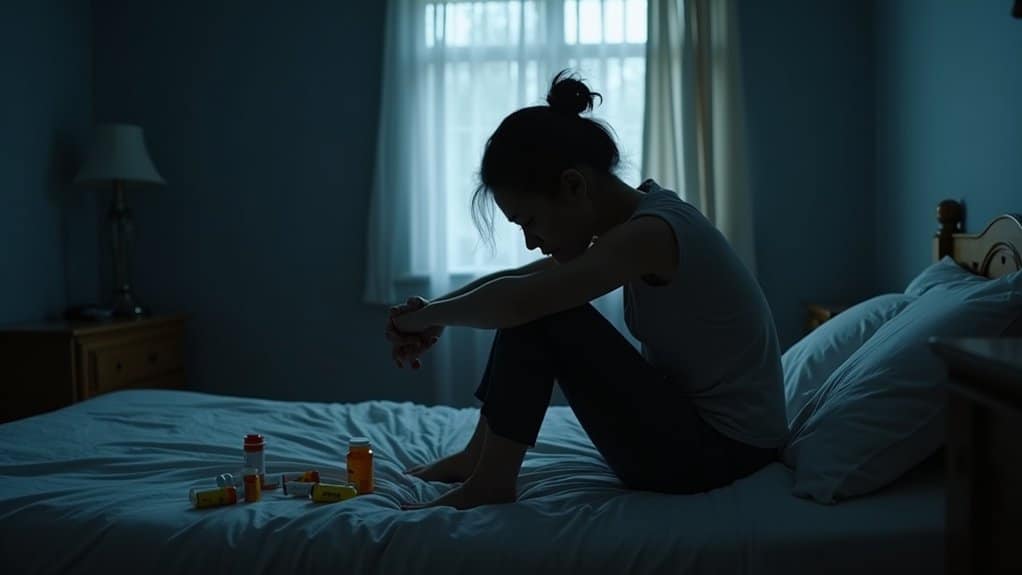
Therapy not enough? Learn the signs and next steps, from medication options to higher levels of care that offer more support.

Residential treatment rebuilds daily life skills through structure, routines, and therapy that restore independent functioning and lasting recovery.

Co-occurring disorder residential care treats mental health and addiction together, breaking the cycle where each condition fuels the other.

Residential mental health treatment offers 24/7 care and daily therapy in a structured space that removes the triggers that disrupt healing at home.

Leaving residential treatment: learn how step-down planning through PHP, IOP, and outpatient care protects your recovery in the critical first 90 days.

Just one honest sentence can change everything, but knowing who to turn to first makes all the difference in recovery.

Aftercare prevents relapse through outpatient follow-ups, therapy, and peer support, but how each piece protects your recovery may surprise you.

Sustaining recovery takes more than rehab, aftercare offers ongoing support that lowers relapse risk, but how does it actually work?

Understanding what keeps you sober after treatment comes down to a few key sources of support that work together in surprising ways.

Find out how these three opioid use disorder treatments differ in mechanism, overdose risk, and recovery success, and which might be right for you.
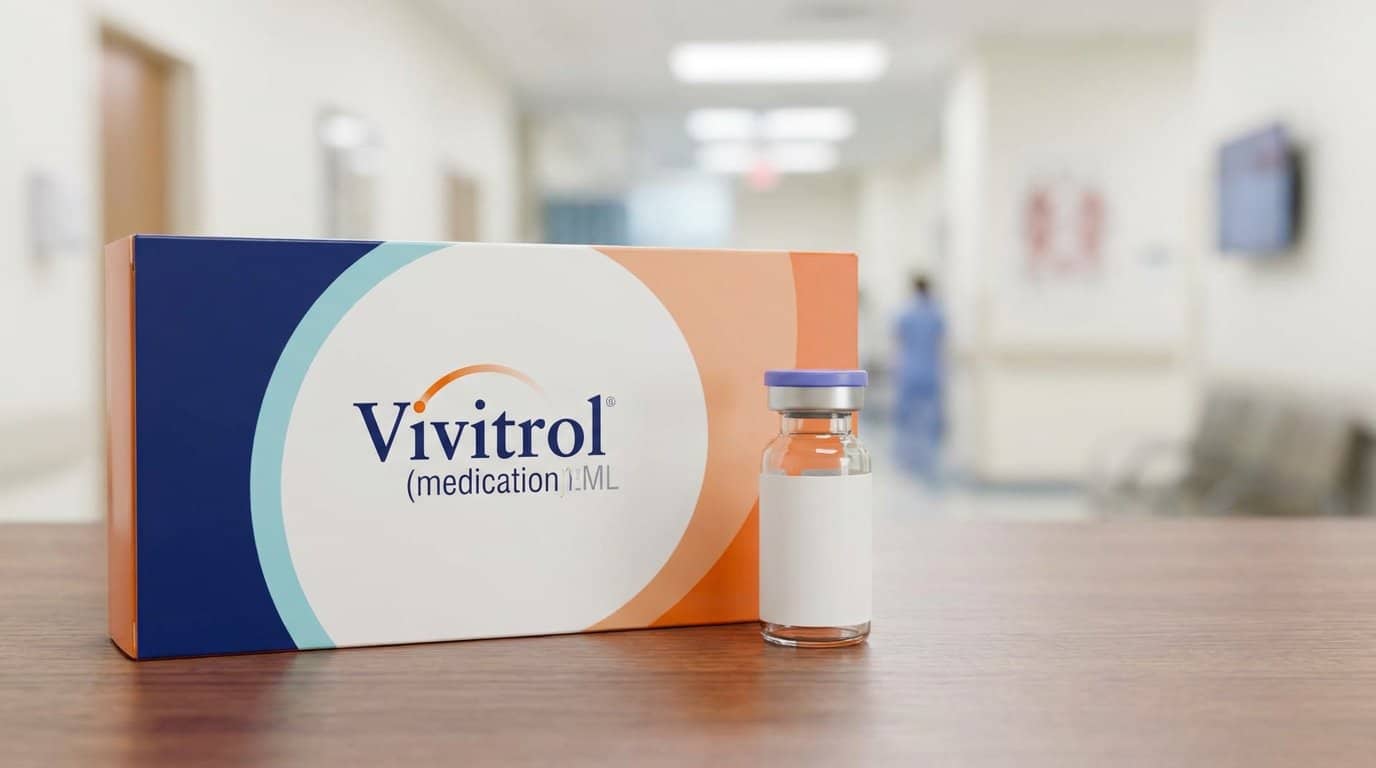
Naltrexone-based Vivitrol blocks opioid receptors to slash cravings by 55%, but how does one monthly injection actually rewire addiction’s grip on your brain?
Learn how MAT combines FDA-approved medications with therapy to cut opioid mortality by 50%, but the real power lies in something deeper.

Overcome anxiety, depression, and stress with individual therapy, but one unexpected benefit might change how you see yourself entirely.

Learn why individual therapy outperforms group sessions in surprising ways, one advantage could change how you approach your mental health.